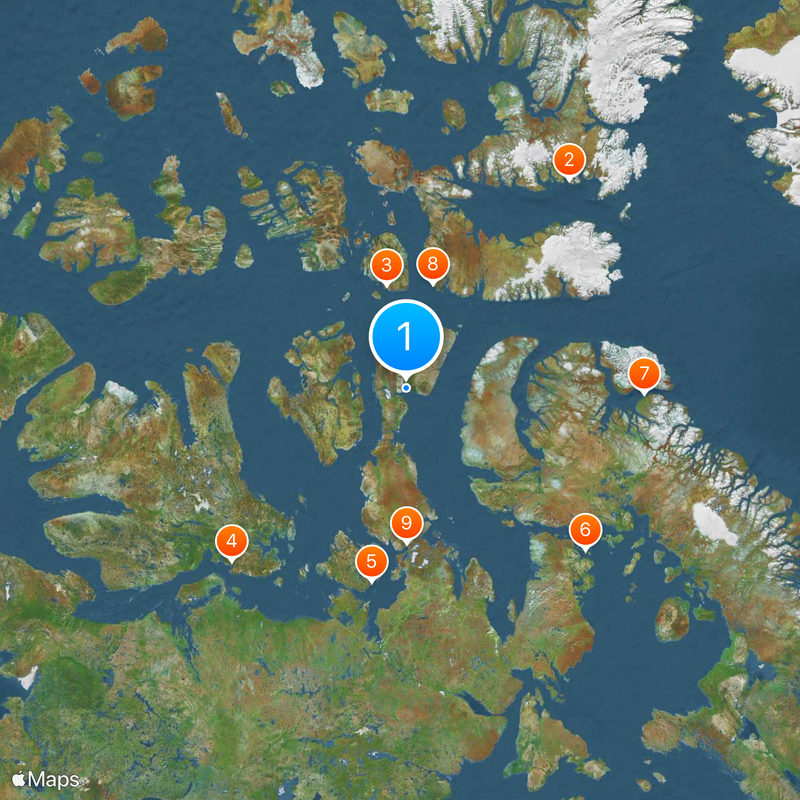
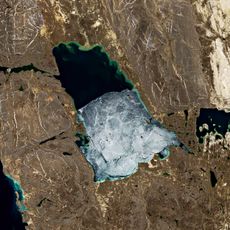
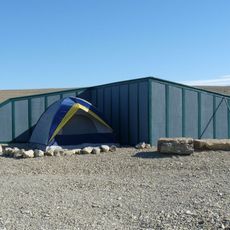
Canadian Arctic tundra, Arctic ecosystem north of boreal forest, Canada
The Canadian Arctic tundra is a vast landscape in northern Canada characterized by frozen ground, short summers, and extended darkness. The terrain consists mainly of open grassland with low-growing vegetation and wetlands.
People have inhabited this region for thousands of years, developing specialized skills to survive in this harsh climate. The arrival of Europeans in the 18th and 19th centuries brought major changes to established communities.
Indigenous communities, including Inuit and Dene peoples, have shaped life in this region and continue to maintain traditions closely tied to the land's seasons. Their presence reflects deep knowledge of survival in extreme conditions.
Visitors should know that extreme cold and long periods of darkness or constant daylight are normal conditions. Warm clothing, careful planning, and local guidance are essential for any travel to this region.
This landscape supports surprising plant diversity adapted to harsh conditions, including mosses, lichens, and low shrubs. It also provides habitat for large animal populations, including caribou and other Arctic species.
The community of curious travelers
AroundUs brings together thousands of curated places, local tips, and hidden gems, enriched daily by 91,445 contributors worldwide.