Rosenlaui Glacier, Alpine glacier in Bernese Alps, Switzerland
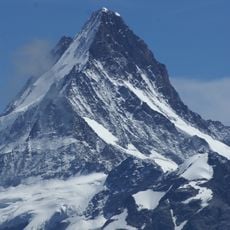
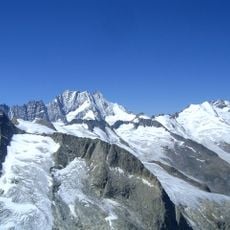
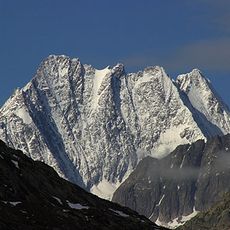
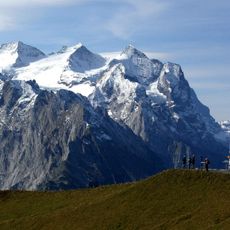
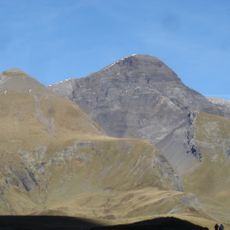
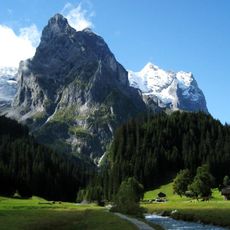
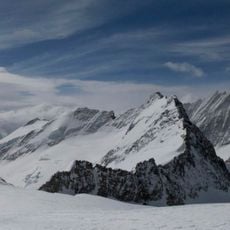
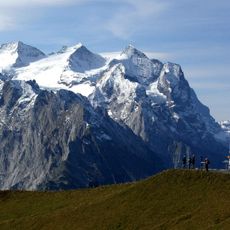
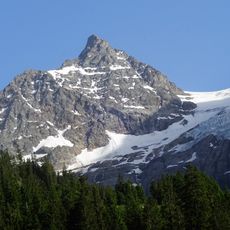
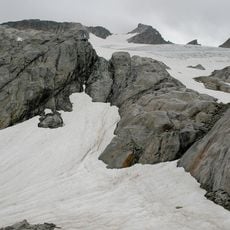
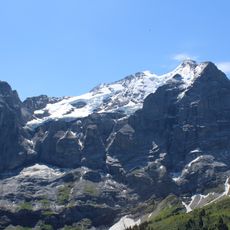
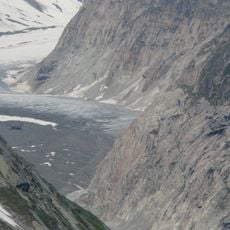
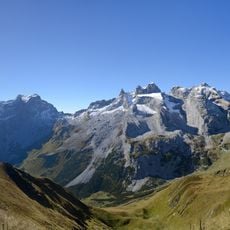
Rosenlaui Glacier is a large ice mass in the Bernese Alps characterized by steep rock walls and intricate ice formations carved over millennia. The landscape shows deep ravines and frozen surfaces that reveal how the glacier continuously reshapes its surroundings.
Scientific observation of this glacier began in the late 1800s when researchers started documenting its movement and changes. Careful records over more than a century provide important data about how the ice mass has responded to climate shifts.
The glacier lies in the UNESCO World Natural Heritage Swiss Alps Jungfrau-Aletsch, designated in 2007. Painters recorded it early: Samuel Birmann depicted the 1828 ice stand, Johann Heinrich Schilbach painted it in 1835, and Johannes Glückert in 1913. The SAC Dossenhütte at 2663 m serves as a base for high tours across the ice to the Wetterhörner.
The location is reachable from the nearby valley via marked hiking trails that are clearly signposted throughout. The warmer months offer the best conditions for visiting, when paths are snow-free and safe to walk on.
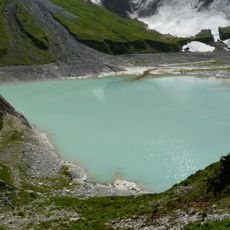
The glacier's tongue ends at about 2,100 m, where the Wyssenbach rises and drops in several channels and waterfalls to the Rosenlaui gorge before joining the Reichenbach. In the Little Ice Age the rock knoll Gletscherhubel split the tongue in two; the larger western end reached down to roughly 1,460 m near the Rosenlauischlucht.
The community of curious travelers
AroundUs brings together thousands of curated places, local tips, and hidden gems, enriched daily by 93,480 contributors worldwide.