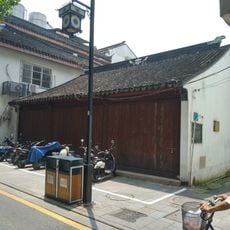
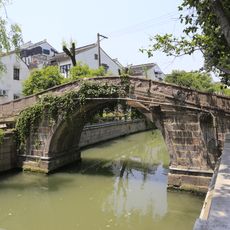
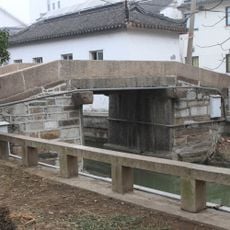
Arhat-Statuen im Baosheng-Tempel, Arhat statues in Baosheng Temple, Luzhi, Suzhou, China
The Arhat statues in Baosheng Temple are nine painted clay reliefs from the Northern Song Dynasty, kept in the temple's museum on Xijie in Luzhi, Wuzhong District, Suzhou. Each figure sits against a sculpted backdrop of clouds, mountains and lakes, and the group was formerly attributed to the Tang sculptor Yang Huizhi. Eighteen figures originally existed; nine survive.
Baosheng Temple was founded in 503 under Emperor Wu of Liang, destroyed in 845 during the Tang persecution of Buddhism, and rebuilt in 1013 under the Northern Song. The nine surviving painted clay arhats were long attributed to the Tang sculptor Yang Huizhi, but recent research dates them to the Northern Song. A 1927 fire destroyed the main hall; the remaining figures were moved into a new museum hall completed in 1932.
The temple's name, Baosheng, means "Protecting the Sacred"; it was originally called Baosheng Jiaosi. The arhats are now shown in the temple's relic museum, completed in 1932 to house the nine rescued figures. The painter Wu Guanzhong based his 1988 work "Arhat Dwelling" on these statues; it sold for 18.4 million in 2011.
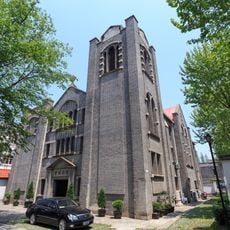
The nine surviving statues are displayed in the Baosheng Temple Antiquities Museum, built in 1932 after the old main hall was damaged. The temple stands on Xijie in Luzhi, about 19 km east of Suzhou. Look for the painted clay reliefs set against a background of clouds, mountains and lakes.
The temple's name was once linked to the Tang sculptor Yang Huizhi, but research now dates the clay figures to the Northern Song. In 1927 a fire destroyed the main hall, leaving only nine of the original eighteen arhats. The painter Wu Guanzhong based his 1988 work "Arhat Dwelling" on these statues; it sold in 2011 for 18.4 million yuan.
The community of curious travelers
AroundUs brings together thousands of curated places, local tips, and hidden gems, enriched daily by 94,512 contributors worldwide.