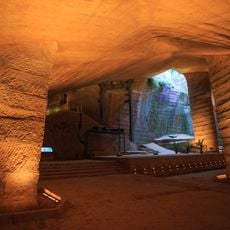
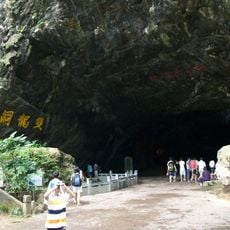
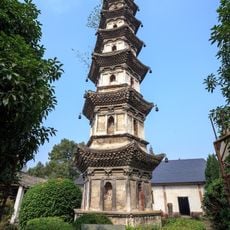
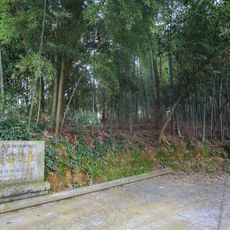
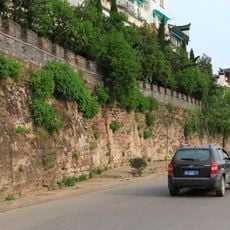
Quzhou city walls, Ming dynasty city walls in Quzhou, China.
Quzhou city walls stand about five metres high and two metres wide, with a smooth surface that allowed carts and horses to pass. The surviving Ming, Qing and Republican remains include six gates and stretches of wall: about 700 m in the east, 300 m in the north, 120 m in the west and 65 m in the south, plus some 1,000 m of wall foundations. The four-door stone base of the Ming Wanli clock tower also survives inside the city.
The walls were first built in 192 AD, during the Eastern Han, as earthen ramparts; brick and stone construction began after the Tang. In 1121 the prefect Gao Zhilin rebuilt the old city with a perimeter of 4,050 paces and six gates, and the moat outside. Repairs continued through the Southern Song, Yuan, Ming and Qing, and more than twenty times between the Shunzhi reign and 1916.
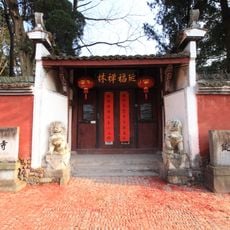
The gates carry names recorded unchanged from the 1503 Hongzhi-era Quzhou Prefecture Gazetteer to the 1926 county gazetteer. The Great South Gate's Lixian plaque was inscribed in 2000 by Luo Zhewen, a student of Liang Sicheng; the Great West Gate's Chaozjing plaque was written in 1997 by calligrapher Wang Jiying. The East Gate, called Yinghe, gave its name to the nearby Yinghe community.
You can access different sections of the walls through designated entry points to explore at your own pace. Guided tours are available if you want someone to explain the structure and its features in detail.
The East Gate, on Guifeng and Zhengrong hills, was called the "Iron Quzhou Gate": Fang La's, Huang Chao's and the Taiping armies under Shi Dakai and Li Shixian all failed to take it, the longest siege lasting half a year. The walls stand about five metres high and two metres wide, wide enough for carts and horses.
The community of curious travelers
AroundUs brings together thousands of curated places, local tips, and hidden gems, enriched daily by 94,227 contributors worldwide.