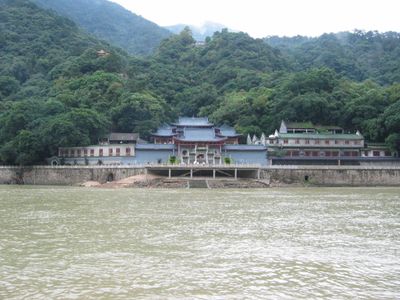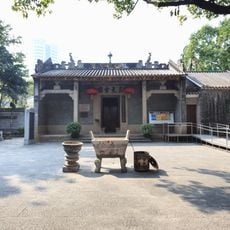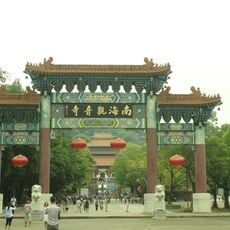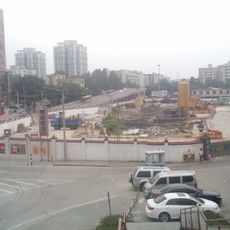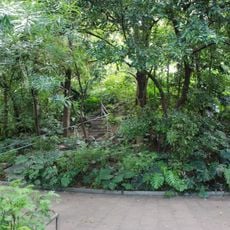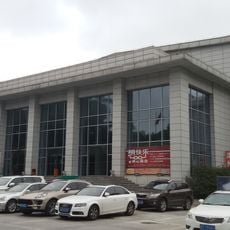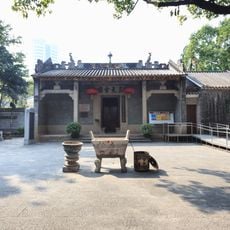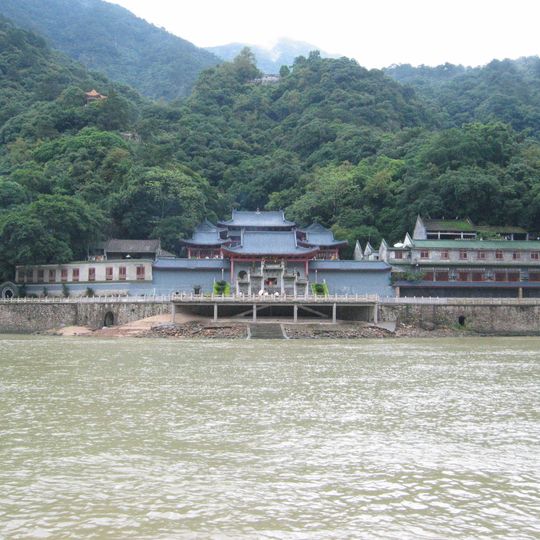
Feilai Temple, Buddhist temple in Qingyuan, China.
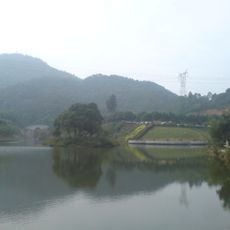
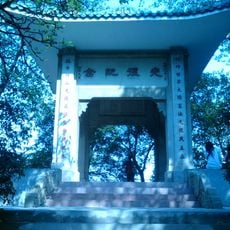
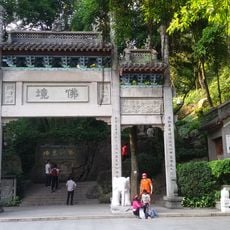
Feilai Temple sits along the Bei River and contains multiple ceremonial halls designed according to Chinese Buddhist architectural principles. The grounds feature typical elements like curved roofs and decorated courtyards that reflect traditional temple design.
The temple was founded in 520 CE during the Liang dynasty by Chan master Zhenjun. It later received an imperial name and continued to develop as a significant Buddhist center through subsequent periods.
The temple draws visitors who participate in regular ceremonies or seek out its spiritual setting for personal reflection. The various halls remain active centers where the local community gathers for worship and contemplative practice.
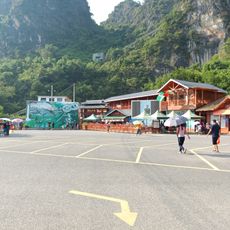
The temple is accessible by local bus or taxi from central Qingyuan and opens in the early morning hours. Visitors should plan to spend time exploring the different halls and grounds, as the complex is larger than it might initially appear.
According to local legend, the site was connected to the sons of the Yellow Emperor, who reportedly relocated a temple complex to this location. This ancient story weaves the site more deeply into the region's mythological history.
The community of curious travelers
AroundUs brings together thousands of curated places, local tips, and hidden gems, enriched daily by 90,800 contributors worldwide.