Gelsenkirchen, Industrial metropolis in North Rhine-Westphalia, Germany
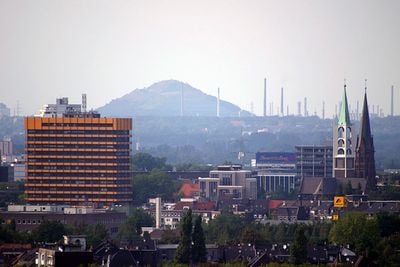
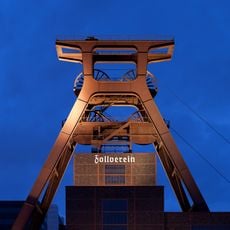
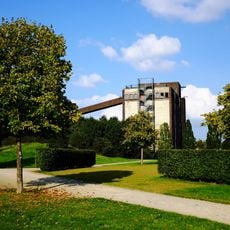
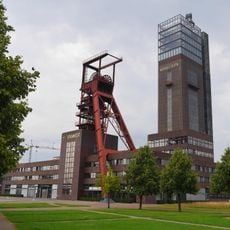
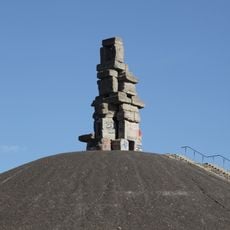
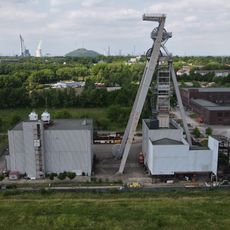
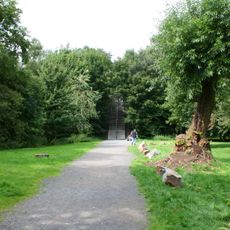
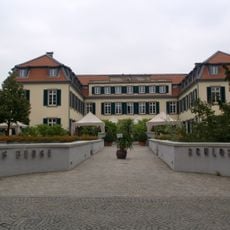
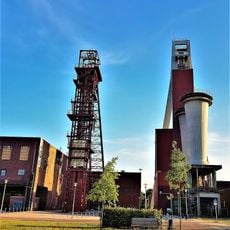
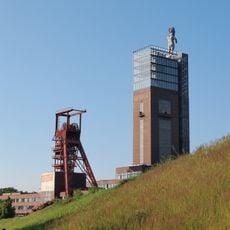
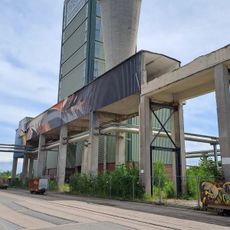
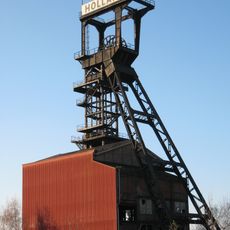
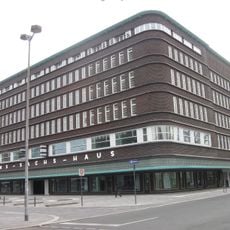
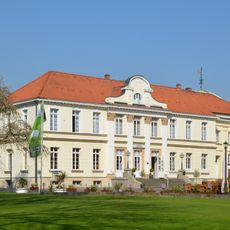
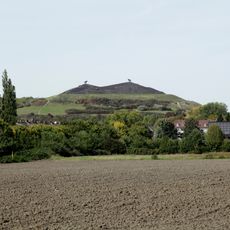
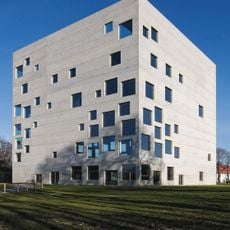
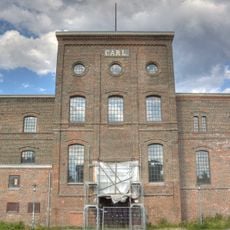
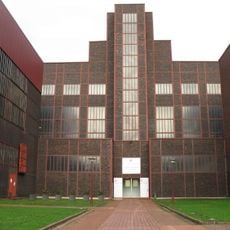
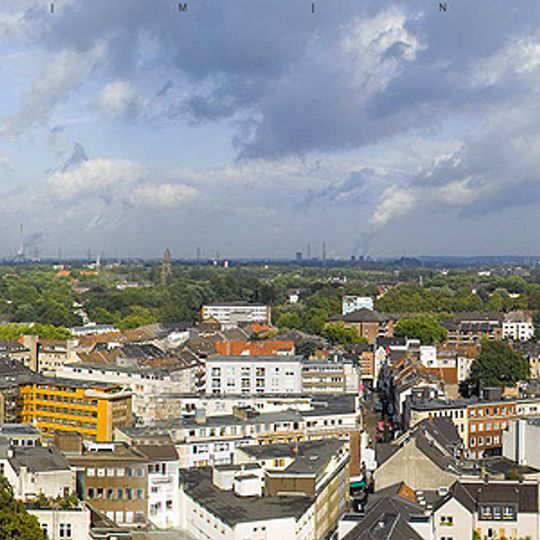
Gelsenkirchen is a large city in the Ruhr area of North Rhine-Westphalia, containing converted industrial grounds, parks, and cultural facilities. The city spreads across several districts where former coal mines and factories sit alongside residential neighborhoods and green areas.
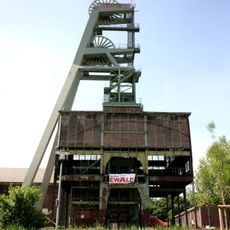
The city grew from a small village of 6,000 people in 1840 to a major coal mining area with 138,000 residents by 1900. Numerous coal mines shaped the development until mining ended in the second half of the 20th century.
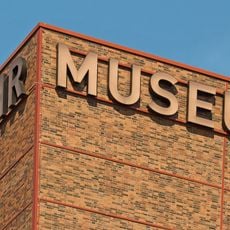
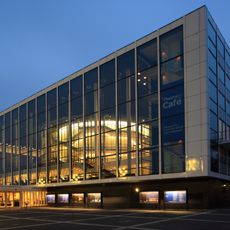
The Musiktheater im Revier stages opera and ballet performances inside a large hall built during the 1950s. The Kunstmuseum displays contemporary works in former industrial rooms now serving as galleries.
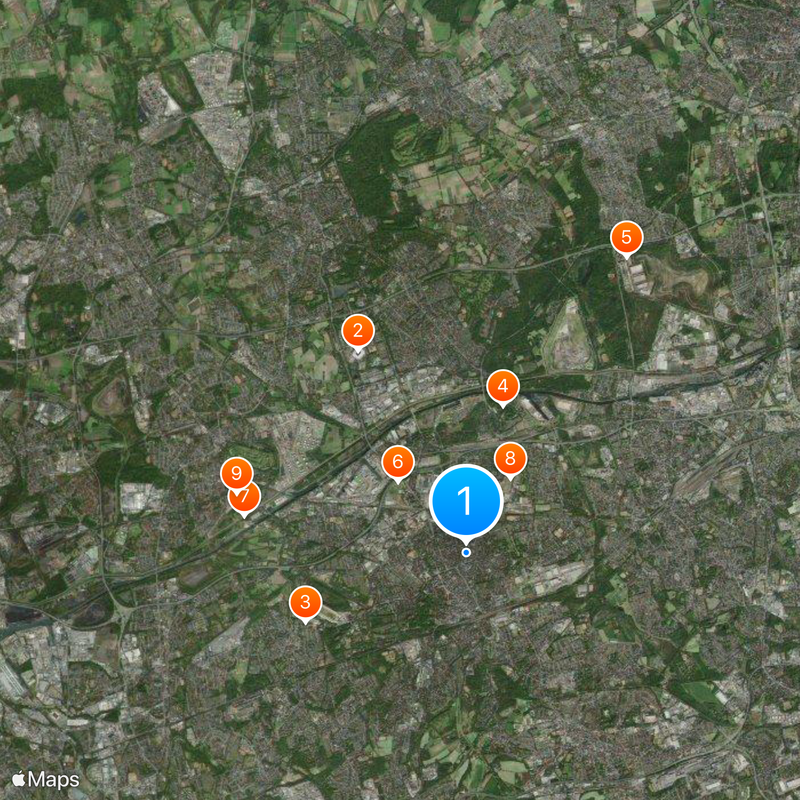
The central train station links the city to other major German destinations, while buses and light rail lines serve the different districts. Visitors can walk or use public transport to move between parks, museums, and former industrial sites.
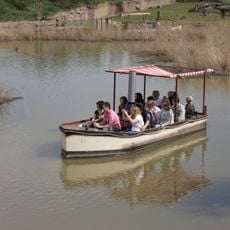
The ZOOM Erlebniswelt park shows animals from Alaska, Africa, and Asia in settings designed to resemble their natural habitats. Visitors walk through recreated landscapes where the enclosures are openly designed with few visible barriers.
The community of curious travelers
AroundUs brings together thousands of curated places, local tips, and hidden gems, enriched daily by 90,875 contributors worldwide.