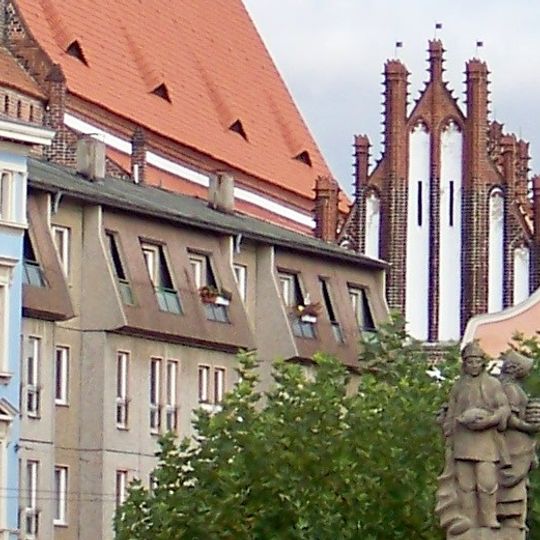
Cottbus, College town in Brandenburg, Germany.
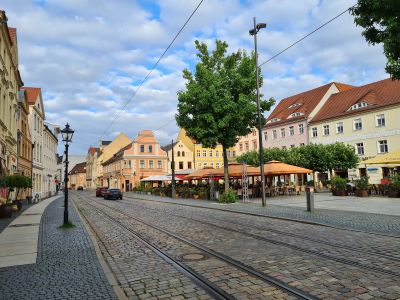
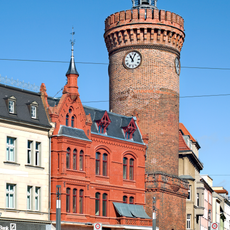
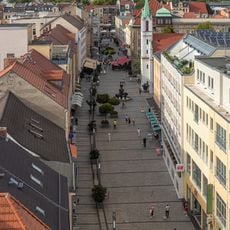
Cottbus is a university town in Brandenburg, positioned as the second-largest settlement in the federal state east of Berlin. The town spreads across several districts, from its older core to modern residential areas, and features wide parks and green spaces throughout.
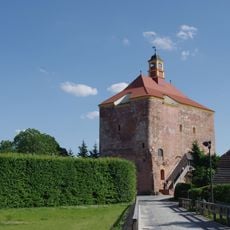
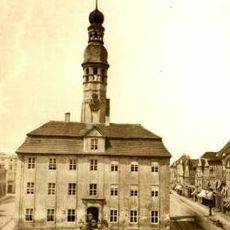
German settlers founded a trading post along the medieval Salt Road in the 13th century, which quickly gained importance. Over the following centuries, the settlement developed into a key center for textile production and later for lignite mining in Lusatia.
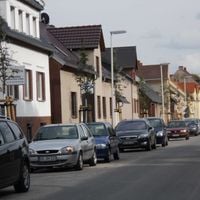
Street signs throughout the districts display both German and Lower Sorbian names, reflecting the Sorbian minority that has lived in the region for centuries. Visitors notice this bilingual character while walking through town, where both languages appear side by side on public signage.
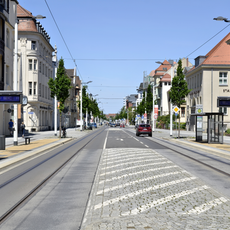
The central station offers rail connections to Berlin, Dresden, and Frankfurt with services running from early morning to late evening. The town center is walkable, while trams and buses serve the outer districts.
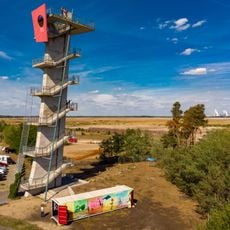
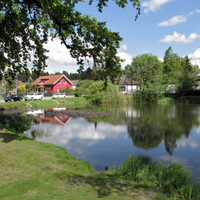
The flooding of former lignite mines is transforming the landscape south of town into Cottbuser Ostsee, which will become the largest artificial lake in Brandenburg when completed. Visitors can already observe the ongoing transformation of former industrial sites into a recreation area.
The community of curious travelers
AroundUs brings together thousands of curated places, local tips, and hidden gems, enriched daily by 60,000 contributors worldwide.