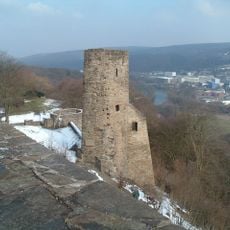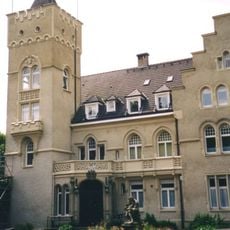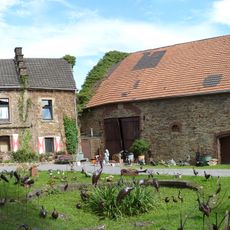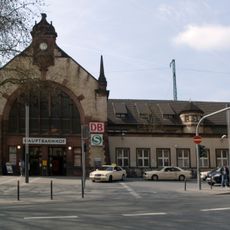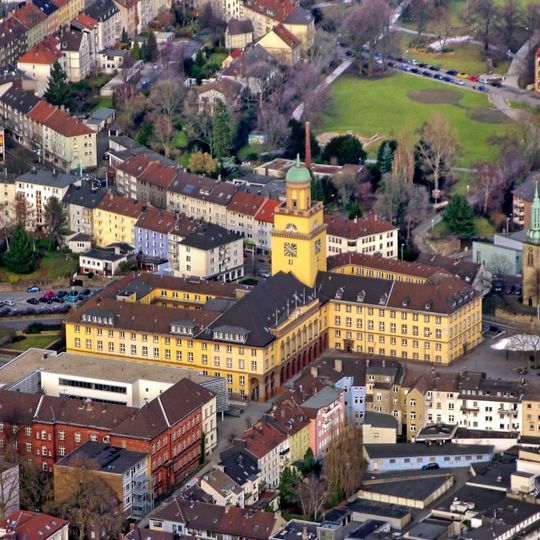
Witten, Industrial town and university center in North Rhine-Westphalia, Germany
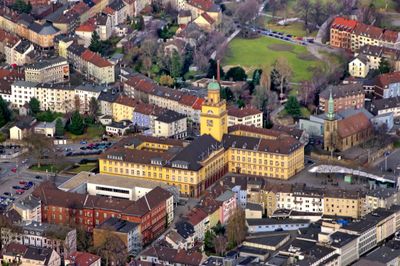
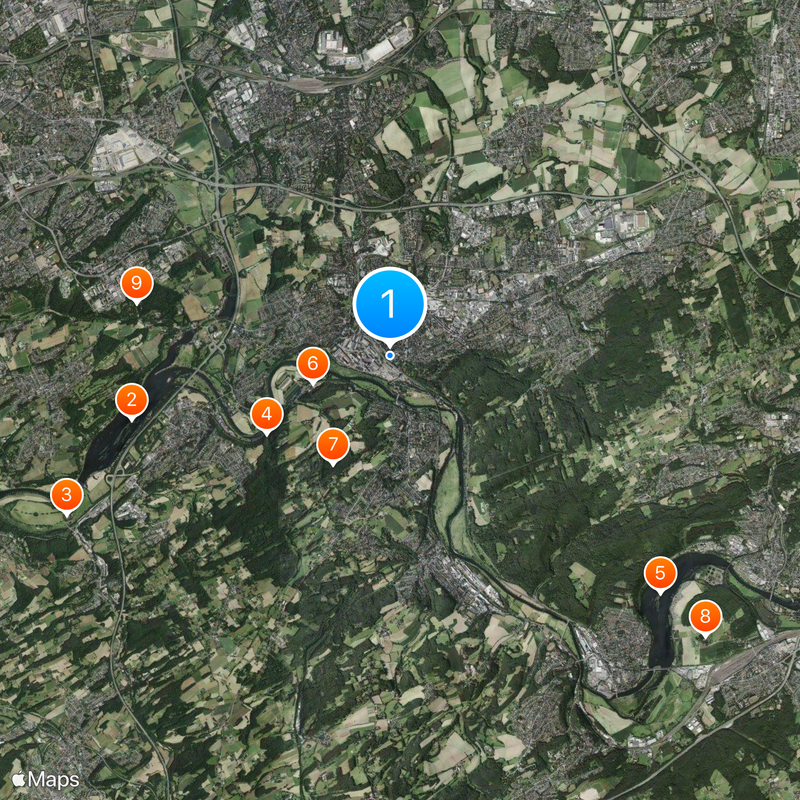
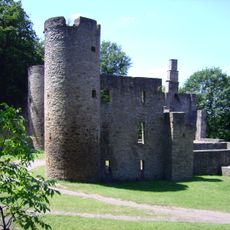
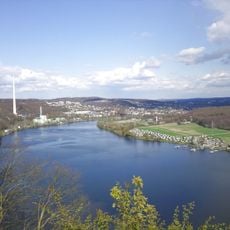
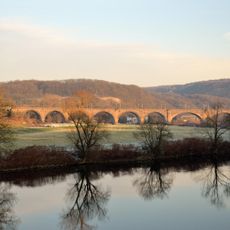
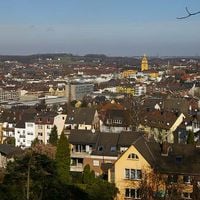
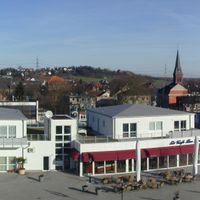
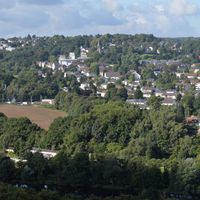
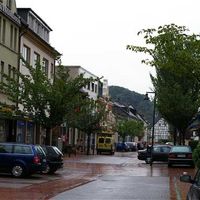
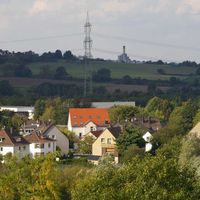
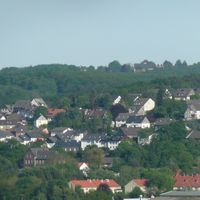
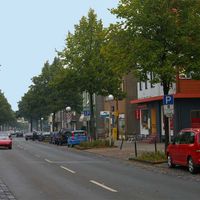
Witten is a town in the Ennepe-Ruhr district of North Rhine-Westphalia that extends along the course of the Ruhr River and includes eight boroughs. The districts are spread across both banks of the river, from Herbede in the west to Bommern in the east, and contain residential areas, green spaces and commercial zones.
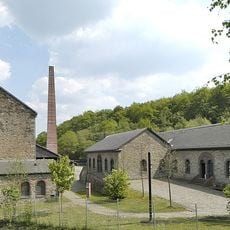
The first documented mention occurred in 1214 when the settlement was still a small village. From 1578 coal mining began and transformed the place into a mining center that expanded in the 19th century with the steel industry.
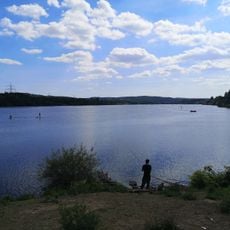
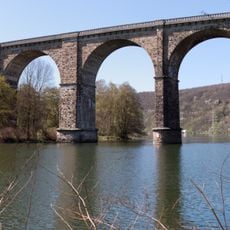
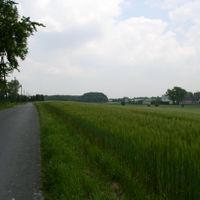
The name comes from an old High German word meaning white, referring to pale sandstone deposits found in the area. Along the Ruhr today, paths run through former industrial sites where locals walk and cyclists ride on paved routes.
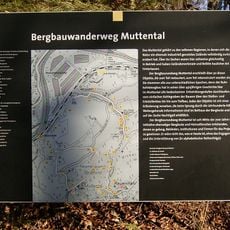
The boroughs are easy to reach on foot or by public transport, with Witten-Mitte serving as a central point. Paths along the Ruhr are good for walks and provide insight into the layout of the individual districts.
The University of Witten/Herdecke founded in 1980 was Germany's first fully accredited private university. The Hebezeug Museum displays a collection of historical lifting devices ranging from block and tackle systems to industrial crane equipment.
The community of curious travelers
AroundUs brings together thousands of curated places, local tips, and hidden gems, enriched daily by 91,814 contributors worldwide.