Hirschberg an der Bergstraße, municipality in Germany
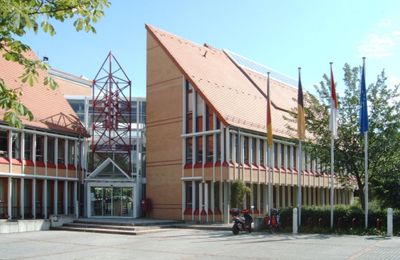
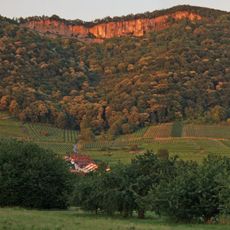
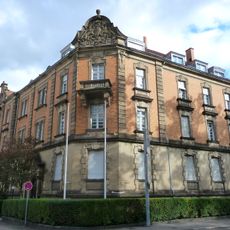
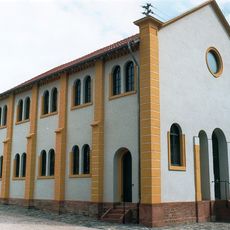
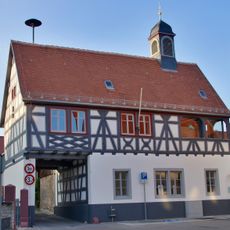
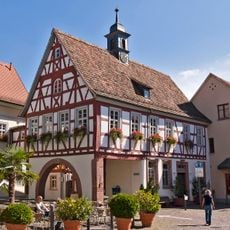
Hirschberg an der Bergstraße is a municipality in Baden-Württemberg formed in 1975 by merging the towns of Großsachsen and Leutershausen. Both districts sit on gentle hills along the Bergstraße road, positioned between the Odenwald forests and the Rhine Valley, and are connected by the B3 highway, making nearby cities like Heidelberg and Mannheim easily accessible.
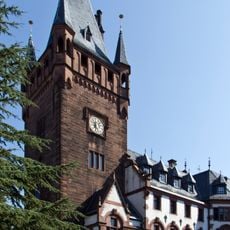
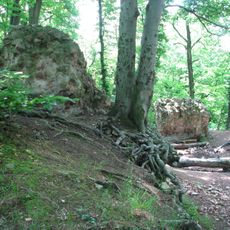
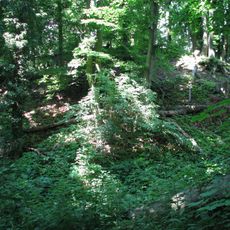
Großsachsen shows evidence of Celtic settlement around 500 BCE and was first recorded in documents in 779; during Roman times, important trade routes were established here. In the Middle Ages, the area came under the rule of the Electoral Palatinate, while the ruins of Hirschburg castle above Leutershausen testify to this medieval period.
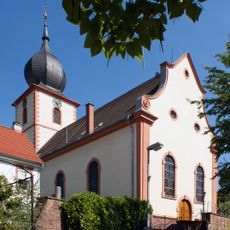
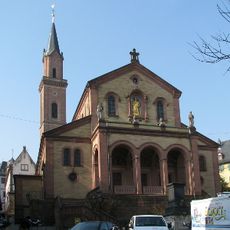
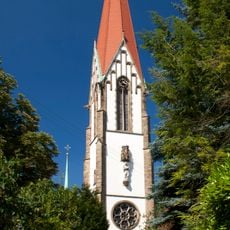
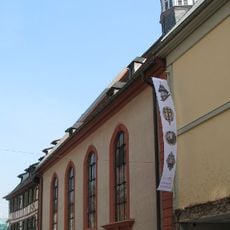
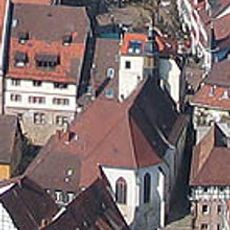
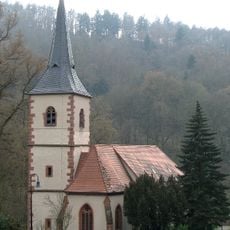
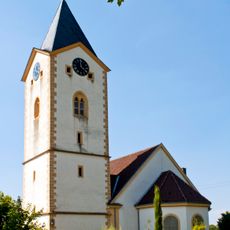
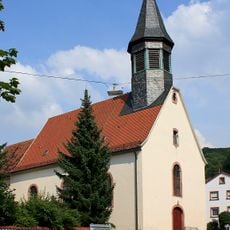
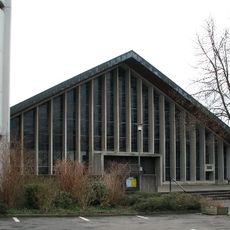
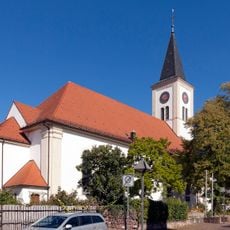
Leutershausen was first recorded in written documents in 877, when a landowner named Liuthari donated property to a monastery; his name remains connected to the town today. The pilgrimage church here has long drawn visitors seeking spiritual connection and continues to serve as a focal point for local religious observance.
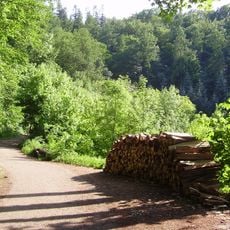
The municipality is easily accessible via the B3 federal highway and the motorway, with direct connections to Heidelberg, Mannheim, and Weinheim. Walking trails lead to the castle ruins and the Roman villa, most reachable on foot from the town center within reasonable time, and there are local restaurants, cafes, and lodging options available.
Summer concerts take place in the Roman villa rustica west of Großsachsen, where visitors experience music within the ancient walls of a nearly 2000-year-old estate. This unusual use of an archaeological site merges history with contemporary culture in a living way.
The community of curious travelers
AroundUs brings together thousands of curated places, local tips, and hidden gems, enriched daily by 91,144 contributors worldwide.