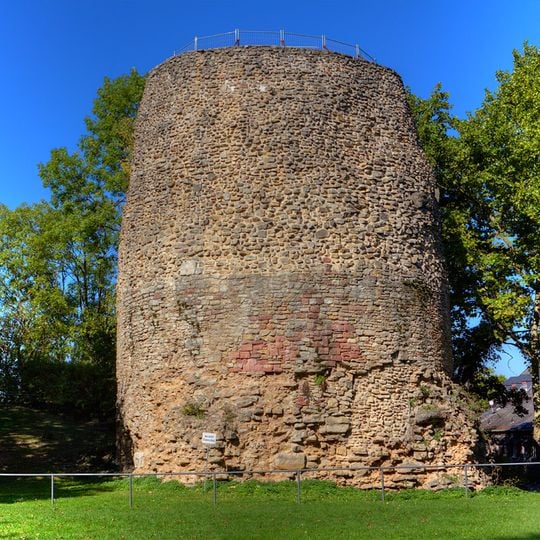
Drususstein, Roman funerary monument in Mainz, Germany
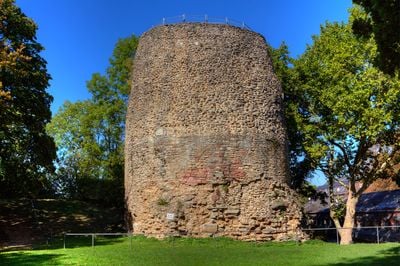
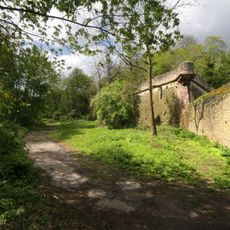
The Drususstein is a Roman stone monument inside the Mainz citadel, built from large cut blocks arranged on a rectangular base. It rises about 20 meters (65 feet) tall, making it one of the tallest surviving structures of its kind from the ancient world in this region.
The monument was built in 9 BC as a cenotaph for General Drusus, stepson of Emperor Augustus, who established the Roman legionary camp of Mogontiacum at Mainz. After his death, his soldiers raised this structure on the spot as a lasting mark of his role in pushing Roman presence to the Rhine.
The Drususstein served as a place for public ceremonies in Roman times and has kept that commemorative role in collective memory ever since. Visitors today can walk right up to the stone base and get a close look at the way the Romans stacked large cut blocks to create a lasting monument.
The monument sits within the Mainz citadel and is easy to reach on foot from the city center. A visit pairs well with a walk around the wider fortress grounds, which offer good views over the area.
Although the Drususstein is considered a funerary monument, no body was ever buried there since Drusus died in Lyon and was interred elsewhere. The structure was built purely as a symbol of remembrance, with no remains inside.
The community of curious travelers
AroundUs brings together thousands of curated places, local tips, and hidden gems, enriched daily by 91,270 contributors worldwide.