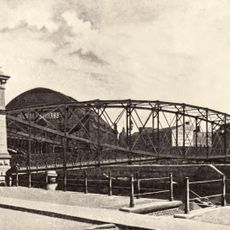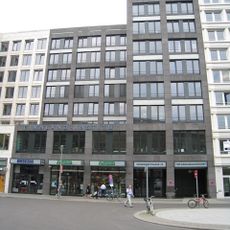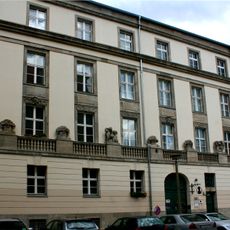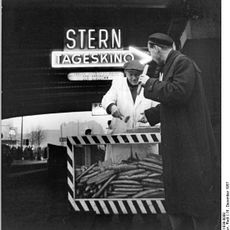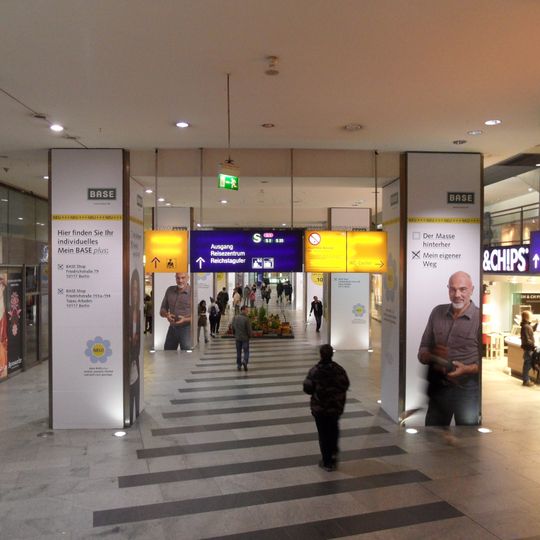
Berlin-Friedrichstraße railway station, Railway station in Mitte, Germany
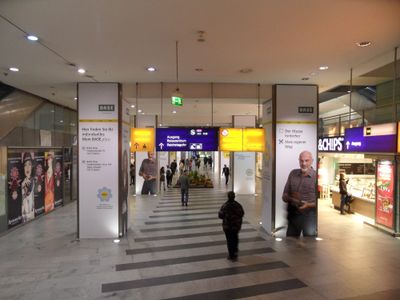
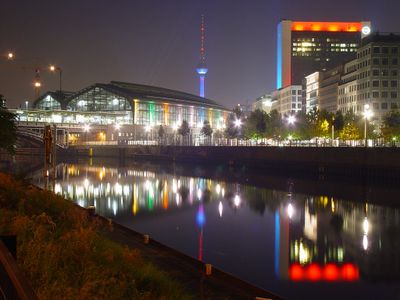
Berlin-Friedrichstraße is a multi-level railway station in central Berlin where regional trains, S-Bahn services, and U-Bahn underground lines all stop. The facility brings together different types of transport at one location and functions as a major transit hub for daily commuters and travelers.
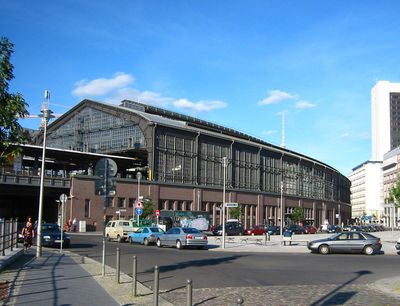
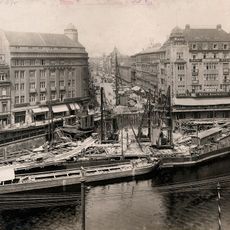
The station opened in 1882, designed by Johannes Vollmer, and served as a critical crossing point between East and West Berlin during the city's division. This building marks a turning point in both the development of Berlin's transport network and the city's political history.
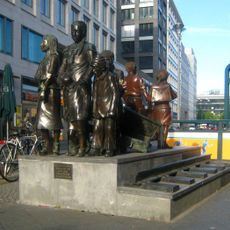
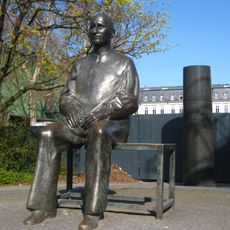
The station displays a memorial titled Trains to Life - Trains to Death, honoring Jewish children who left Germany from this location during Nazi persecution. This monument reflects a significant moment in both the city's past and in human history that visitors encounter while moving through the station.
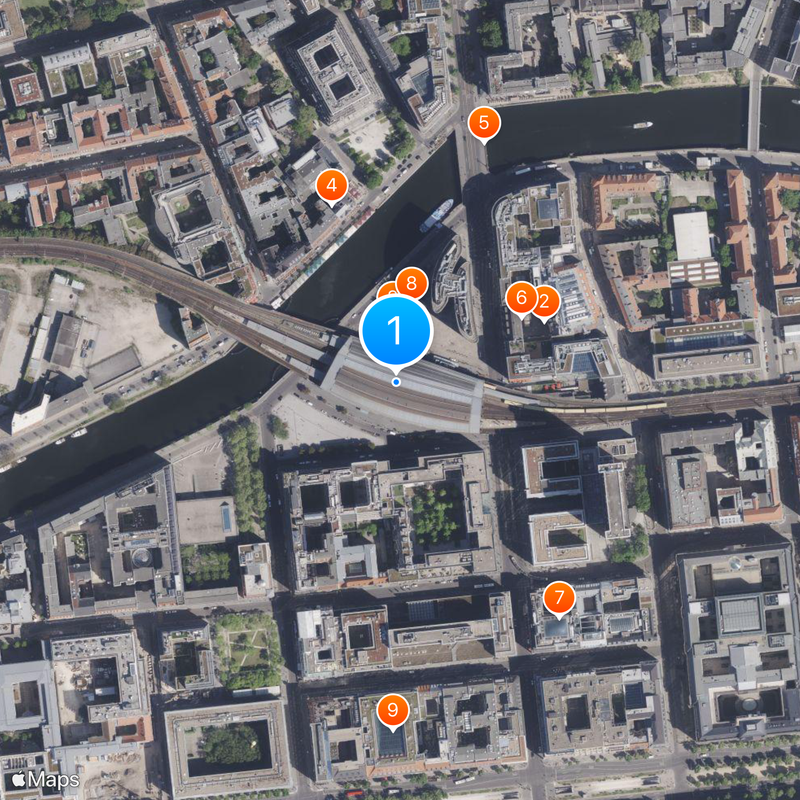
The station is centrally located and easy to access, with direct rail connections to airports, shopping districts, and government buildings nearby. Visitors should keep in mind that the location gets crowded and the multiple levels and passageways can feel confusing at first.
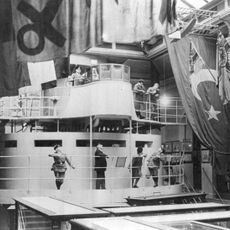
During the Cold War, this was a place where citizens from the Western sectors underwent border checks before entering the East. This role as a crossing station shaped the location's significance and made it a symbolic point of the divided city.
The community of curious travelers
AroundUs brings together thousands of curated places, local tips, and hidden gems, enriched daily by 91,834 contributors worldwide.