Gemäldegalerie Alte Meister, Art museum in Schloss Wilhelmshöhe, Kassel, Germany
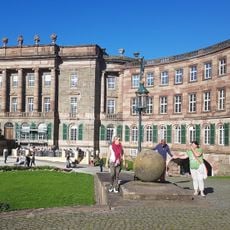
The Gemäldegalerie Alte Meister occupies three floors of Schloss Wilhelmshöhe and displays paintings from Germany, Italy, France, Spain, Holland, and Flanders. The works span from the late medieval period to Classicism and include major pieces by masters such as Rembrandt, Rubens, and van Dyck.
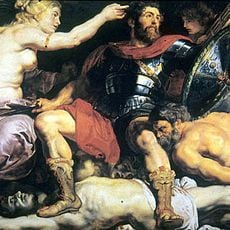
The first painting linked to the landgraves was commissioned from Lucas Cranach the Elder by Anne of Mecklenburg in memory of William II. The cabinet was first mentioned in 1653 and housed in the Ottoneum in 1696. Landgrave William VIII, who reigned 1751–1760, acquired major Dutch and Flemish works, including Rubens's Triumph of the Victor and Rembrandt's Jacob Blessing the Sons of Joseph. A dedicated gallery was completed in 1751 but destroyed in 1943; the collection has been shown at Wilhelmshöhe Palace since 1974.
The gallery displays works that connect European artistic traditions from the late medieval period through the Classical era. Visitors see masterful examples of how different regions developed their own approaches to painting.
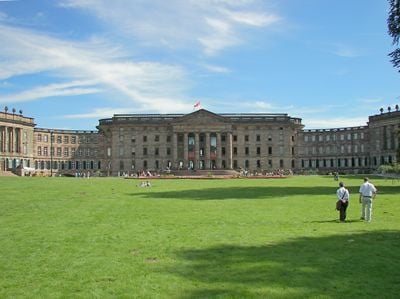
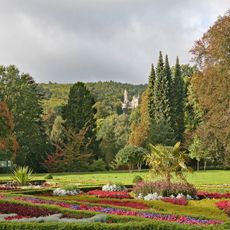
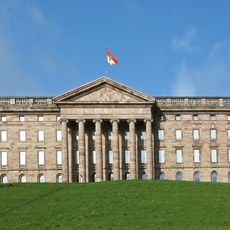
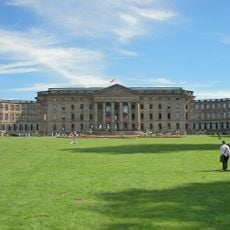
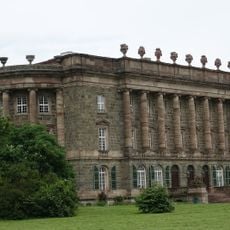
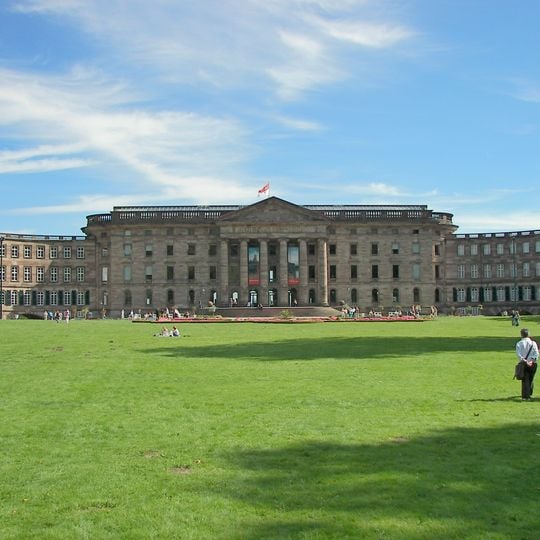
The gallery occupies the central block of Schloss Wilhelmshöhe, entered through the main portal beneath the six-columned portico. The collection is shown on the upper floors, reached by stairs or lift, while the ground floor holds the antiquities. The park around the palace is extensive, so allow time to walk from the tram stop up the approach avenue.
In 1977 Hans-Joachim Bohlmann threw acid on four of the gallery's best-known paintings, including Rembrandt's Jacob Blessing the Sons of Joseph and his Self-Portrait with Beret. Restoration was only completed in 2006, so the canvases carry a recent chapter of the collection's history.
The community of curious travelers
AroundUs brings together thousands of curated places, local tips, and hidden gems, enriched daily by 93,013 contributors worldwide.