Kassel, Capital district in Hesse, Germany
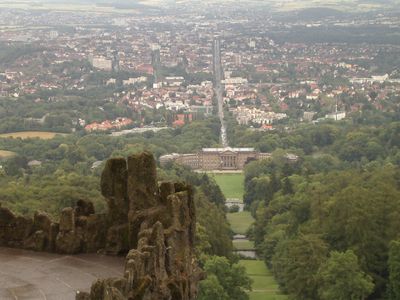
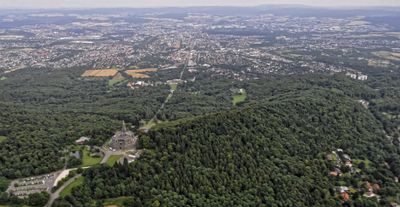
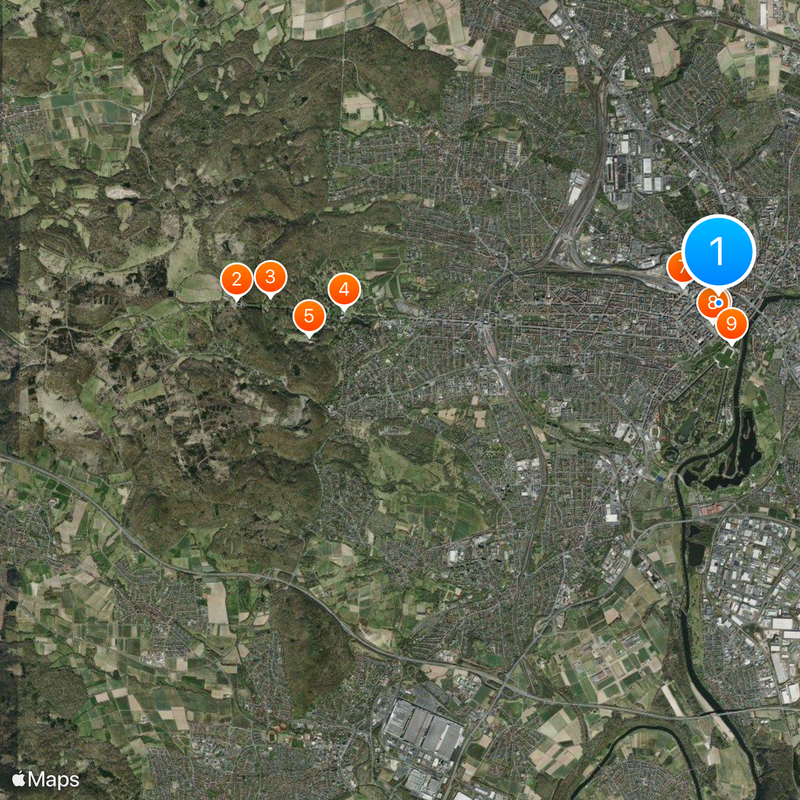
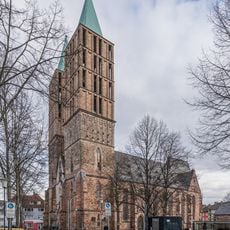
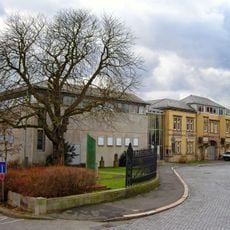
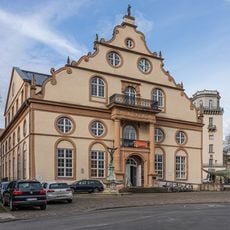
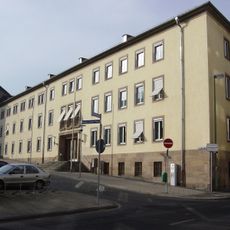
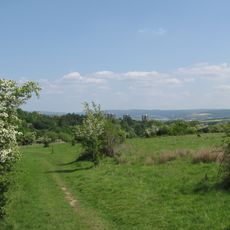
The city is an urban district and regional center in northern Hesse, positioned along the Fulda valley between forested hills and open river plains. Built-up areas stretch from the historic center on the east bank to suburbs in the west, crossed by green belts and several park complexes.
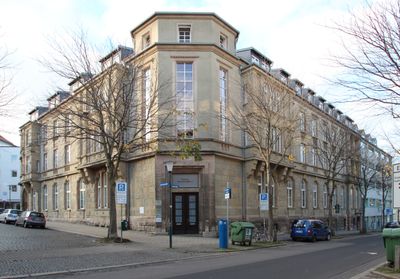
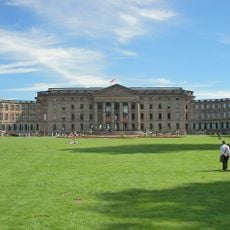
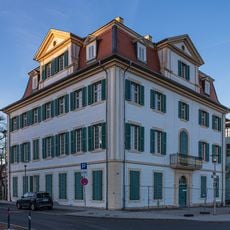
In 1567, the settlement became the capital of the Landgraviate of Hesse-Kassel, which brought more than two centuries of expansion and settlement by craftsmen, scholars, and artists. After heavy destruction in World War Two, large-scale reconstruction followed, introducing modern urban planning that changed much of the prewar street layout.
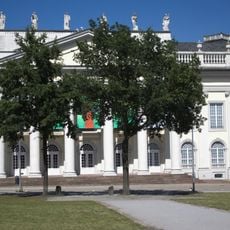
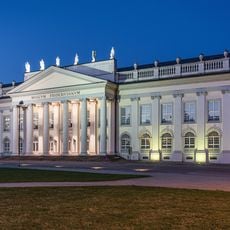
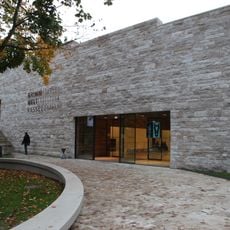
Every five years, the documenta festival transforms public squares, former industrial buildings, and parks into galleries of contemporary art. Residents and visitors gather around open installations, discuss new works, and experience the city as a meeting ground for artistic exchange.
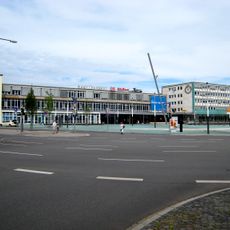
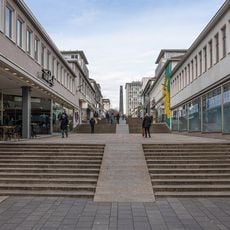
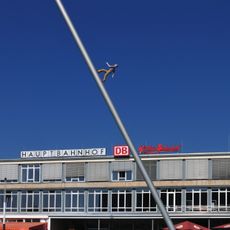
Pedestrian zones and squares in the center lie close together, allowing short walks between museums, shops, and cafés. Buses connect neighborhoods with the hill park, whose lower entrance sits roughly two miles (three kilometers) west of the main station.
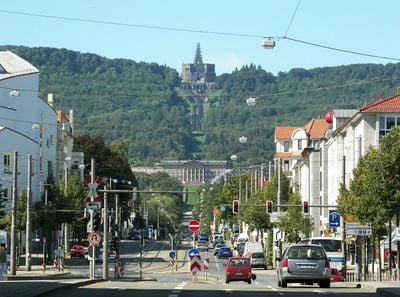
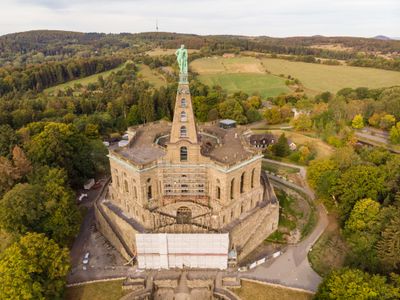
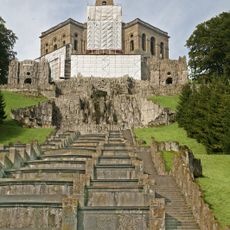
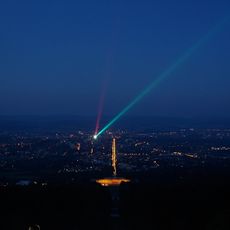
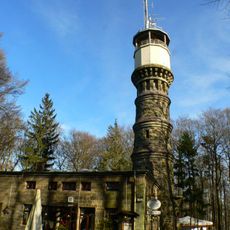
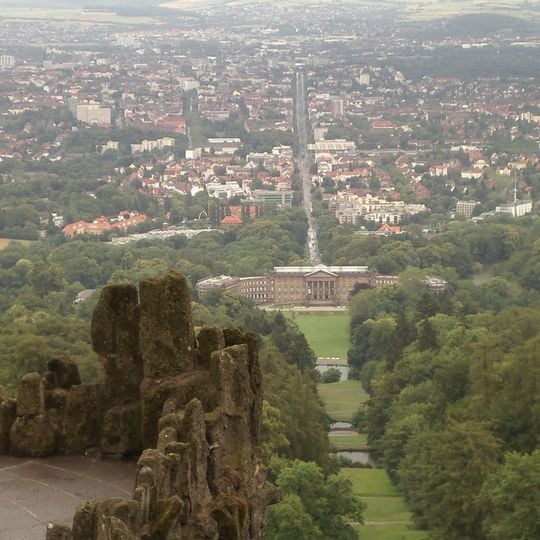
The Hercules statue above the hill park stands on an octagon from the early 18th century and feeds cascades that flow downhill to the valley on special occasions. Roughly 1,150 feet (350 meters) of elevation separate the monument summit from the palace pond at the foot of the complex.
The community of curious travelers
AroundUs brings together thousands of curated places, local tips, and hidden gems, enriched daily by 90,753 contributors worldwide.