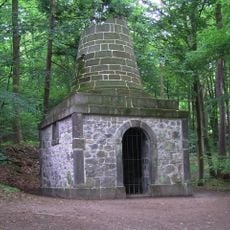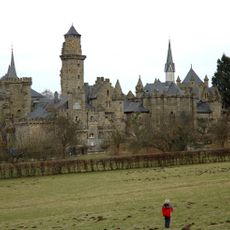
Löwenburg, Artificial ruin in Bad Wilhelmshöhe, Germany.
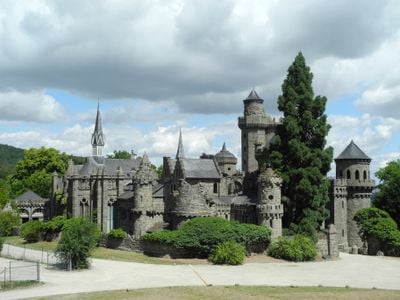
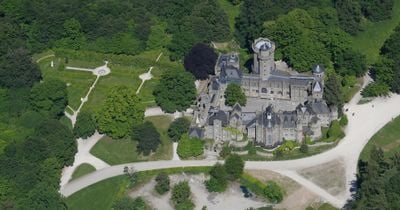
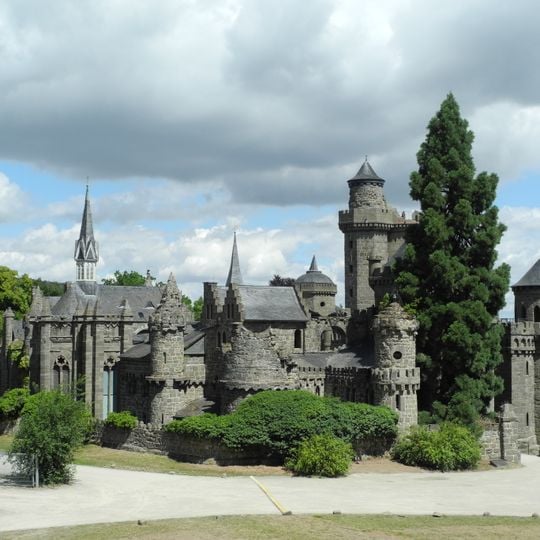
Löwenburg is an artificial ruin in Bad Wilhelmshöhe, Kassel, designed to resemble a decaying medieval fortress. The structure features towers, crenellated walls, and stone passages arranged to create a complete sense of age and deterioration, though it was built intentionally as a cohesive whole.
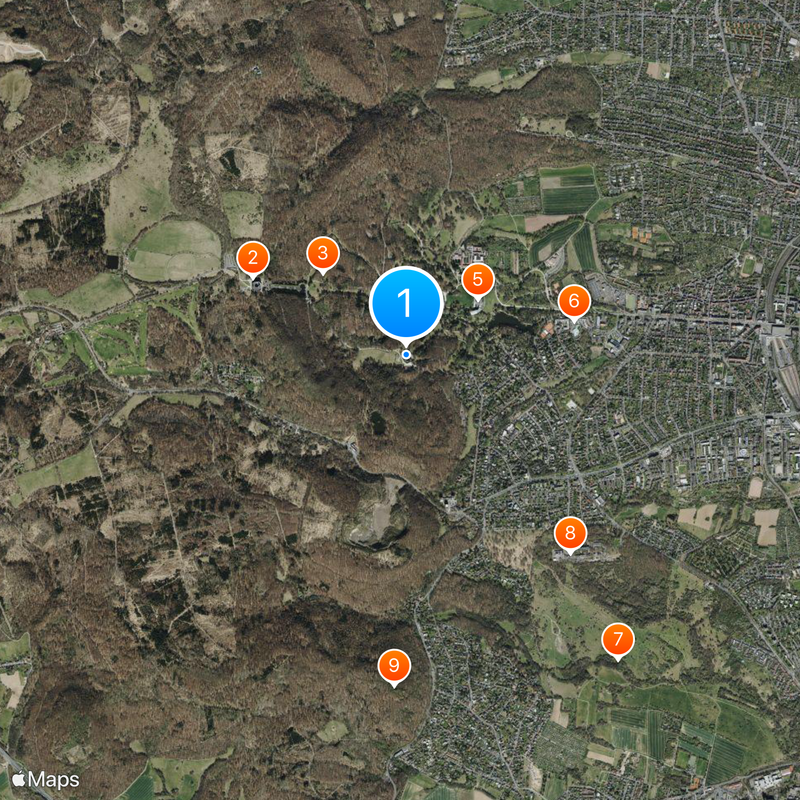
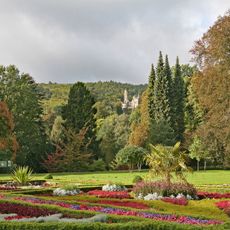
The castle was commissioned between 1793 and 1801 by Landgrave Wilhelm IX of Hesse-Kassel as part of the Bergpark Wilhelmshöhe landscape. It arose during a period when landowners built such structures as retreats and expressions of their artistic ideals.
The castle reflects the Romantic era's fascination with medieval forms, showing Gothic details that visitors can examine throughout the building. This deliberately designed ruin reveals how people of that time imagined and celebrated the past through architecture.
Visitors can explore the castle interior through guided tours that reveal period furniture, artifacts, and architectural details. The surrounding park provides walking paths for visitors to wander and experience the broader landscape at their own pace.
Although the ruin appears to have decayed over centuries, every stone was deliberately positioned between 1793 and 1801 to create this effect. This careful planning reveals how seriously the builders took their vision and how meticulously they executed the deception.
The community of curious travelers
AroundUs brings together thousands of curated places, local tips, and hidden gems, enriched daily by 91,074 contributors worldwide.