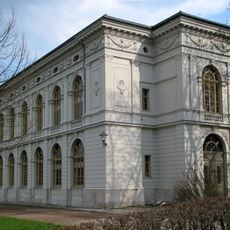
Goethe-Nationalmuseum, Literary museum in Weimar, Germany
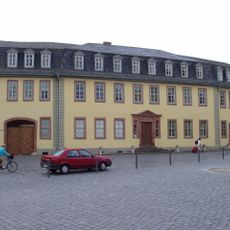
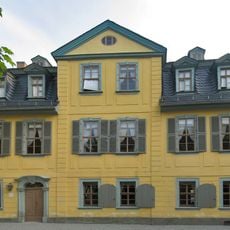
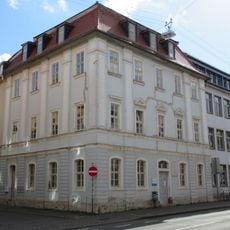
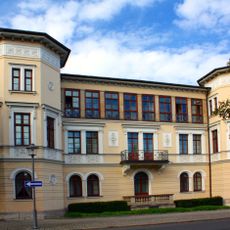
The Goethe-Nationalmuseum occupies the house at Frauenplan where Goethe lived from 1782 to 1832, together with a collection building added in 1913/14 and a museum wing built in 1935. Visitors see his study and library, the reception and art-collection rooms, his wife Christiane's rooms and the house garden. The holdings number around 100,000 pieces, including some 2,000 drawings by Goethe himself.
The museum was founded on 8 August 1885 after the death of Goethe's last grandson, Walther von Goethe, who left the house at the Frauenplan to the grand-ducal house. The building itself dates from 1709, and Goethe lived there intermittently from 1782 until his death in 1832. Since 1991 it has been run by the Klassik Stiftung Weimar.
The museum demonstrates how Goethe brought together his many interests under one roof, with writings, art collections, and scientific objects displayed side by side throughout the rooms. The way everything is arranged gives a sense of how an educated person of that era organized their intellectual life.
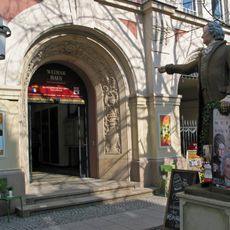
The museum entrance is at the Frauenplan in central Weimar, a short walk from the market square. The house and the 1935 museum extension are connected, so allow time for both the historic rooms and the collection displays. The house garden is included in the visit.
The writer's study room has been preserved as it was at the time of his death, with the original arrangement of books and furniture intact. Visitors can imagine how he sat at his desk creating some of his most famous works.
The community of curious travelers
AroundUs brings together thousands of curated places, local tips, and hidden gems, enriched daily by 92,913 contributors worldwide.