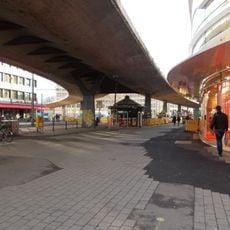
Jan-Wellem-Platz, Central plaza near Königsallee in Düsseldorf, Germany.
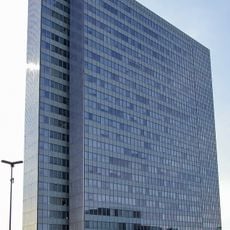
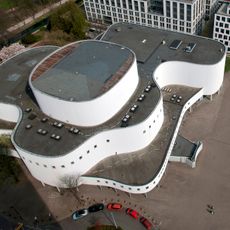
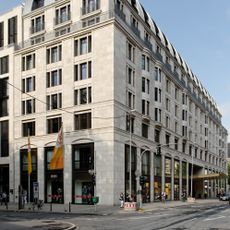
Jan-Wellem-Platz is a central plaza near Königsallee in Düsseldorf. The space is defined by modern buildings such as the Kö-Bogen designed by Daniel Libeskind, which connects several commercial areas together.
The site was used for city fortifications from the early modern period. In the 19th century a building block with the Trinkaus bank and the Cornelius monument was built there in 1879, forming the eastern edge of Corneliusplatz. After World War II the area was cleared and rebuilt as a large transport interchange, named Jan-Wellem-Platz on 6 May 1955 after Elector Johann Wilhelm von Pfalz-Neuburg. From 2009 the Kö-Bogen project replaced it with two buildings by Daniel Libeskind; the remaining open space was renamed Joachim-Erwin-Platz in 2017, while the name Jan-Wellem-Platz was given to a smaller area east of the new buildings.
The square has been named since 6 May 1955 after Elector Johann Wilhelm von Pfalz-Neuburg, whom locals called "Jan Wellem". He made Düsseldorf the capital and main residence of his territories. The name survives on a smaller open area east of the Libeskind buildings, while the former transit stop became the Schadowstraße U-Bahn station.
The plaza sits directly at Heinrich-Heine-Allee underground station and offers easy access to many shops in the surrounding area. Its location makes it a practical hub when exploring the central shopping district.
The nearby Kö-Bogen II building features an extraordinary green facade with around 30,000 plants integrated into its architecture. This planted design makes the structure stand out in an area otherwise dominated by glass and steel.
The community of curious travelers
AroundUs brings together thousands of curated places, local tips, and hidden gems, enriched daily by 93,829 contributors worldwide.