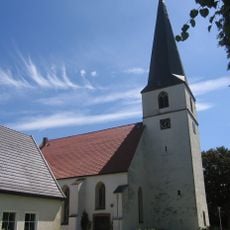
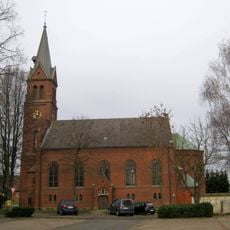
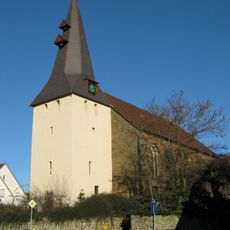
Lübbecke District, Administrative district in Detmold region, Germany
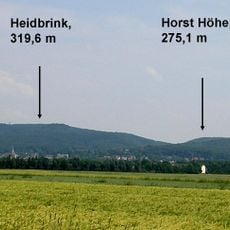
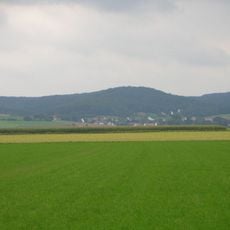
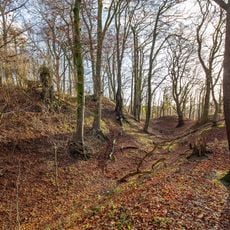
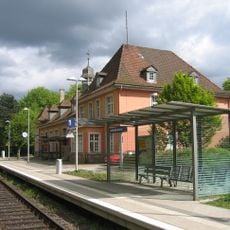
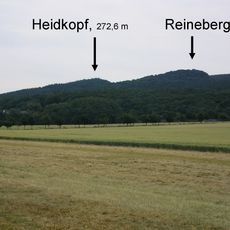
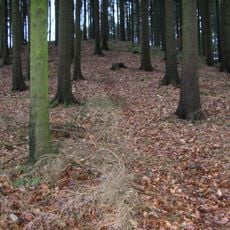
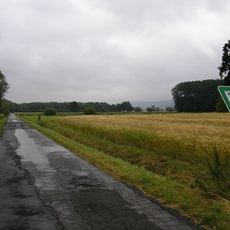
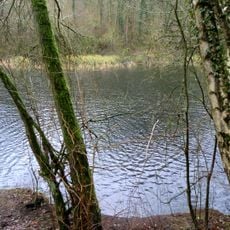
The Lübbecke District spreads across northeastern North Rhine-Westphalia, encompassing several towns and municipalities with distinct local characters. The landscape features river valleys, gentle hills, and proximity to the Teutoburg Forest, while regional roads connect the communities throughout the area.
The district was established in 1816 during Prussian administrative reforms that reorganized the region and introduced modern governance structures. Over two centuries, industrialization shaped economic and social development, particularly through furniture manufacturing that became central to the area's economy.
The region carries on traditions of craftsmanship, particularly in furniture making, which shapes daily life in the towns and villages. This industry has deeply influenced local identity and remains visible in the workshops and businesses throughout the area.
Individual towns have their own local centers with shops, schools, and administrative offices easily accessible on foot. Visitors will find a network of local paths and forest trails suitable for walking and exploring the landscape at a relaxed pace.
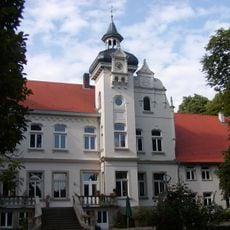
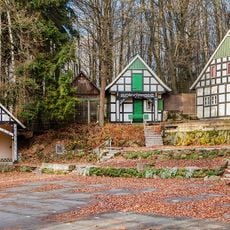
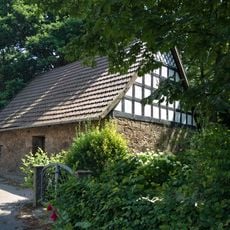
The region sits along a historical boundary zone between different cultural influences, which remains visible today in the varied building styles and local character of its communities. This location created a distinct blend of traditions that has endured in the area.
The community of curious travelers
AroundUs brings together thousands of curated places, local tips, and hidden gems, enriched daily by 92,774 contributors worldwide.