Lüneburger Heide, Nature reserve in Lower Saxony, Germany
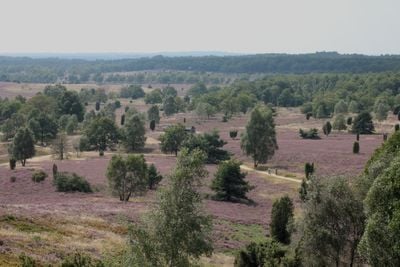
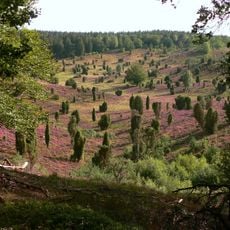
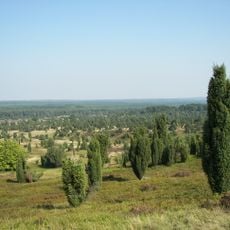
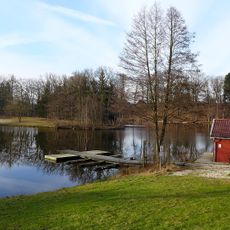
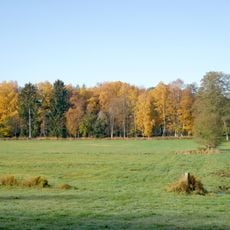
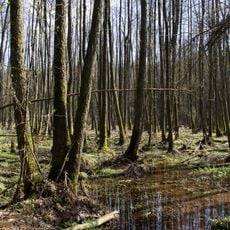
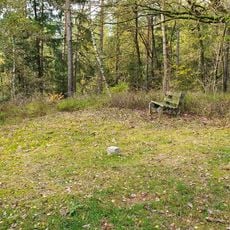
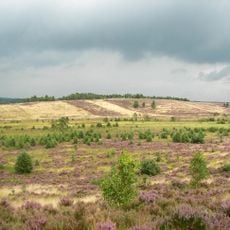
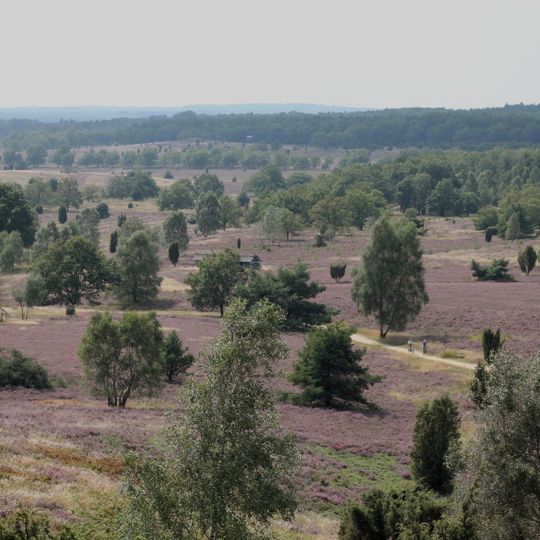
The Lüneburger Heide is a large nature reserve in Lower Saxony composed of heathlands, wetlands, forests, and waterways spread across a wide area. The landscape features rolling terrain with open moorland sections alternating with woodland and stream valleys throughout the region.
The area received official protection status in 1993 as one of the first designated nature reserves under German federal conservation law. The landscape itself was shaped during the Ice Age when glaciers moved across the region, creating the moorlands and rolling terrain visible today.
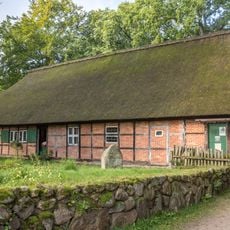
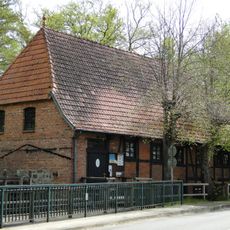
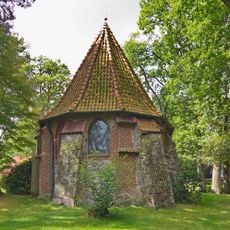
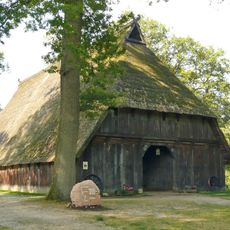
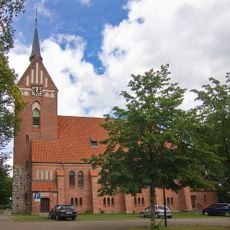
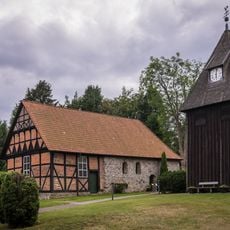
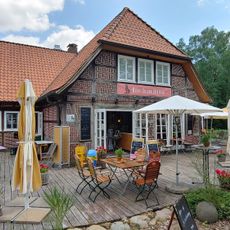
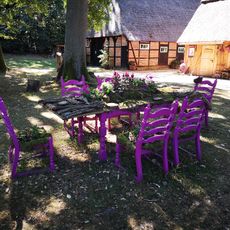
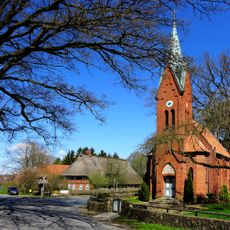
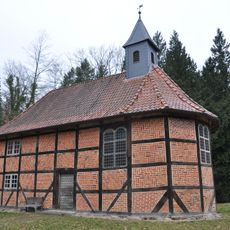
The villages scattered throughout the area preserve traditional timber-framed houses with thatched roofs that reflect centuries of rural life. These settlements show how local communities have long depended on and shaped this landscape.
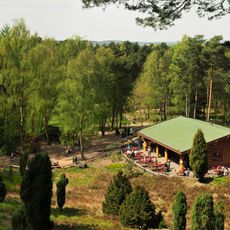
The area is well connected by marked hiking and cycling paths that link observation points and showcase different habitats throughout the region. Sturdy footwear is recommended as ground conditions vary depending on the season and whether you are crossing moorland, forest, or wetland areas.
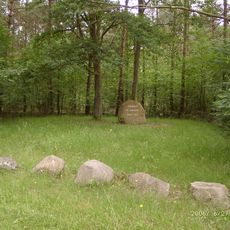
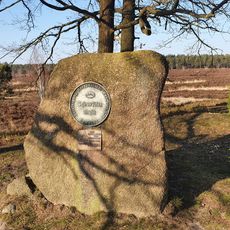
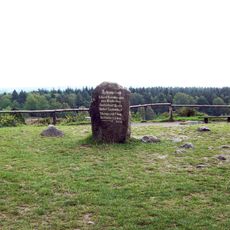
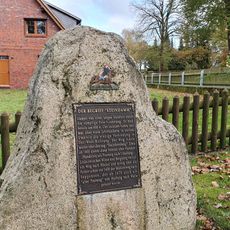
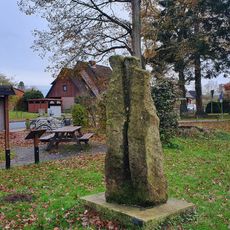
A remarkable glacial boulder weighing around 350 tons sits within the area and represents the largest transported ice age rock in Lower Saxony. This massive stone demonstrates the immense power of ancient glaciers that moved it from distant locations.
The community of curious travelers
AroundUs brings together thousands of curated places, local tips, and hidden gems, enriched daily by 92,670 contributors worldwide.