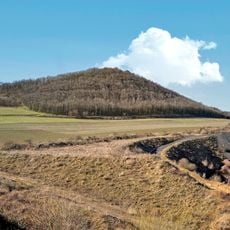
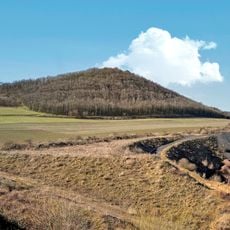
Tumulus of Nickenich, Archaeological burial mound in Nickenich, Germany.
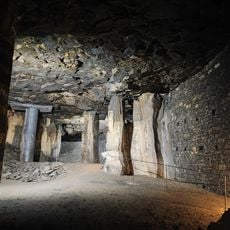
The Tumulus of Nickenich is a burial structure with a circular stone foundation measuring 7 meters (23 feet) across, built from tuff blocks extracted from the Roman Meurin quarry. The blocks are connected with wooden or metal clamps, creating a solid and carefully engineered construction.
The structure dates to the 1st century CE and demonstrates advanced construction methods of that era. Excavations in 1931 uncovered details about how it was built and provided insights into the people buried at the site.
The burial site blends Celtic and Roman traditions, visible in names carved into the stones such as Contuvinda and Silvano. This mixing shows how different peoples lived together in the region and shared their beliefs about honoring the dead.
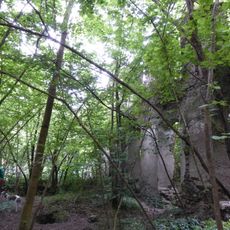
The stone foundations remain visible at the original site for visitors to see and examine. However, the artifacts discovered here are displayed at the Rheinish State Museum in Bonn, where they are better preserved and can be studied in detail.
About 4 meters away from the main structure, three stone carvings with lion heads were discovered in the ground. These stelae feature figures dressed in Roman style, adding a mysterious element to the burial complex.
The community of curious travelers
AroundUs brings together thousands of curated places, local tips, and hidden gems, enriched daily by 92,468 contributors worldwide.