Porta Inclyta, Roman city gate in Trier, Germany
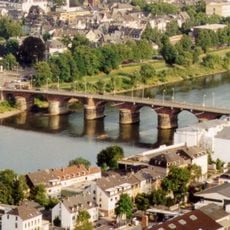
Porta Inclyta was a Roman gateway at one end of the bridge spanning the Moselle River in ancient Trier. The structure formed part of the city's defensive network and controlled passage across the waterway.
The gate was built in the second century CE and formed part of the city walls of Augusta Treverorum, Trier's ancient name. Its position at the bridge made it crucial for controlling trade traffic crossing the Moselle.
The name Porta Inclyta comes from medieval chronicles and means famous gate, reflecting the artistic craftsmanship that travelers crossing the Roman bridge would have admired. Historical texts emphasize the towers and decorative details that distinguished this passage from other city gates.
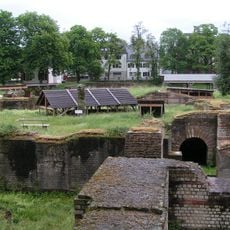
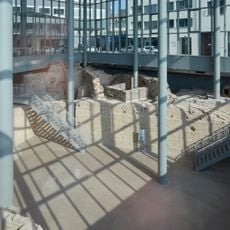
Only foundation remains can be seen today, revealed through 19th century archaeological excavations on both sides of the Moselle River. Visitors can view the site from the riverbank and understand where this important structure once stood.
A historical account from 1050 describes the gate adorned with gold plating and precious stones that gleamed to those crossing the bridge. This lavish decoration reveals how important and visible this structure remained in people's memory long after the Roman period.
The community of curious travelers
AroundUs brings together thousands of curated places, local tips, and hidden gems, enriched daily by 92,783 contributors worldwide.