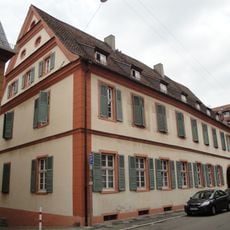
ShUM Sites of Speyer, Worms and Mainz, Medieval Jewish heritage sites in Speyer, Worms and Mainz, Germany
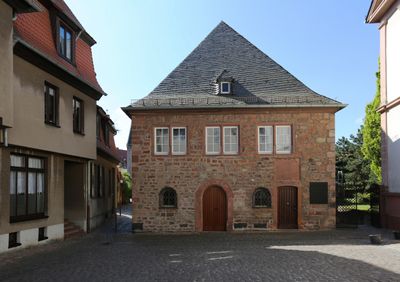
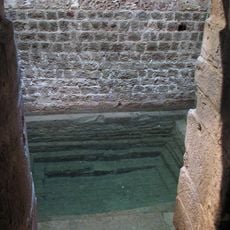
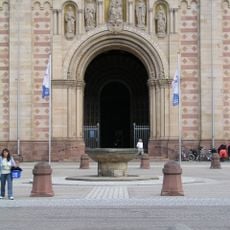
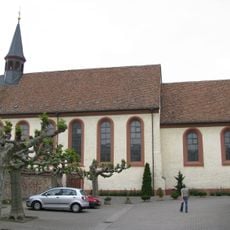
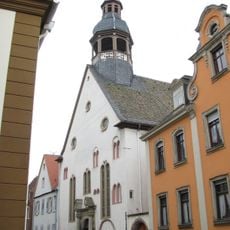
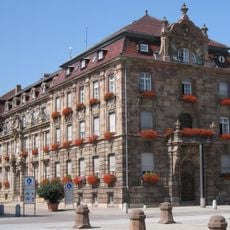
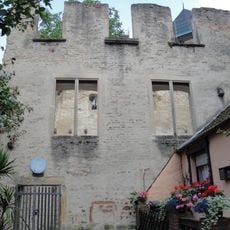
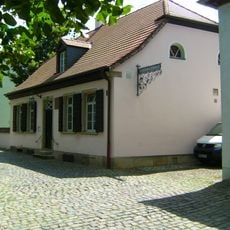
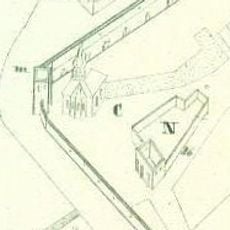
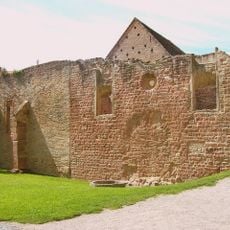
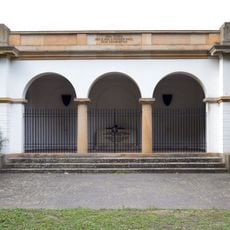
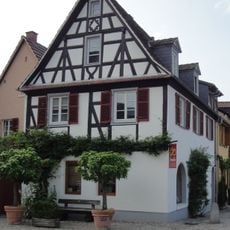
The ShUM sites in Speyer, Worms and Mainz consist of medieval Jewish buildings including synagogues, ritual baths, teaching houses and cemeteries that reflect how communities were organized around religious practice. Each location displays different aspects of these settlements, with buildings arranged to show the connection between religious and daily life.
The oldest synagogue in Speyer was completed in 1104, marking the beginning of this architectural tradition in the region and representing the earliest surviving example of its kind in central Europe. These structures developed during a flourishing period when Jewish communities were establishing their religious and social institutions.
These places served as centers where Jewish communities gathered for prayer and study, shaping the development of Ashkenazi traditions that continue to influence religious practice today. Visitors can see how people organized their religious and social lives within these spaces.
Visitors can explore each of the three locations independently, with information panels and guided tours available to explain the history and functions of the buildings at each site. It is best to allow plenty of time to visit all three sites since they are spread across different cities.
The cemetery in Worms contains gravestones from the 11th century with Hebrew inscriptions that document the personal histories of multiple family generations and offer insight into daily religious life. These inscriptions reveal the names, family relationships and beliefs of the people who lived in the community.
The community of curious travelers
AroundUs brings together thousands of curated places, local tips, and hidden gems, enriched daily by 92,601 contributors worldwide.