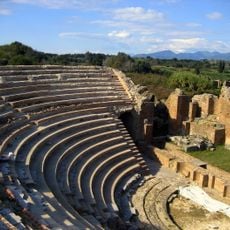
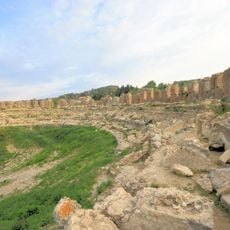
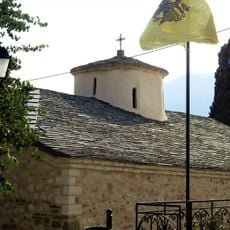
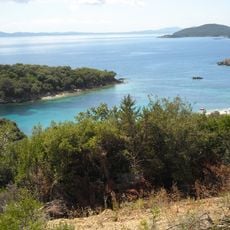
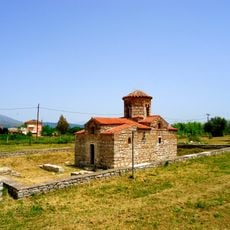
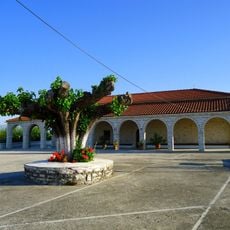
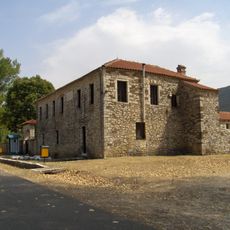
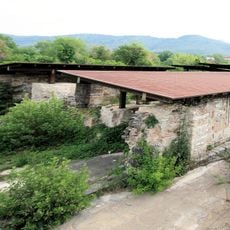
Pandosia, Archaeological site in Preveza Regional Unit, Greece
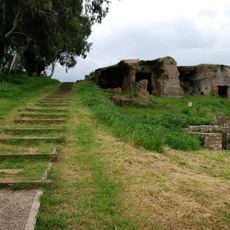
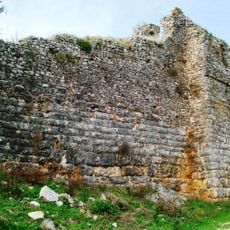
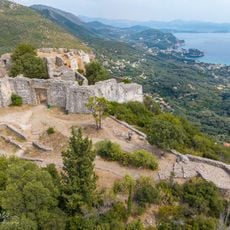
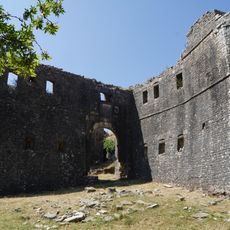
Pandosia is an ancient Greek city of Epirus, most often identified with the fortified hill site near the modern village of Kastri, in the Preveza regional unit. The hilltop acropolis ruins cover about 33 hectares. Archaeological survey begun in 1994 recovered over 85,000 artifacts, including more than 15,000 pottery sherds and over 70,000 tile and brick fragments.
Pandosia was one of the Elean colonies of the Cassopaeans, a sub-tribe of the Thesprotians, and lay south of the Acheron river. Pandosia, Bucheta and Elatea were conquered by Philip of Macedon, who transferred the cities to Alexander I of Epirus. An oracle warned Alexander to beware of Pandosia and the Acheron; he died at a Pandosia in Bruttium during the Battle of Pandosia.
Pandosia was one of the Elean colonies of the Cassopaeans, a sub-tribe of the Thesprotians, together with Bucheta and Elatea. The name survives in the ancient Greek form Πανδοσία, and the site is most often linked to the modern village of Kastri, where the acropolis hill rises near the Acheron. Visitors can look for the pottery sherds and tile fragments that litter the surveyed slopes.
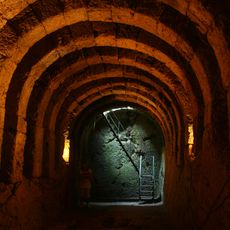
The site is accessible during daylight hours and can be reached via regional roads from Preveza. Visitors should wear sturdy footwear since the terrain is uneven and excavations are partly exposed to the elements.
The identification of Kastri as Pandosia is not settled: Strabo placed the city south of the Acheron, yet Kastri lies just north of the river. Some scholars therefore suggest Gourana, further inland, or argue that the Acheron changed course over time. The 1994 survey of the 33-hectare hilltop yielded over 85,000 artifacts, including more than 15,000 pottery sherds and 70,000 tile and brick fragments.
The community of curious travelers
AroundUs brings together thousands of curated places, local tips, and hidden gems, enriched daily by 94,389 contributors worldwide.