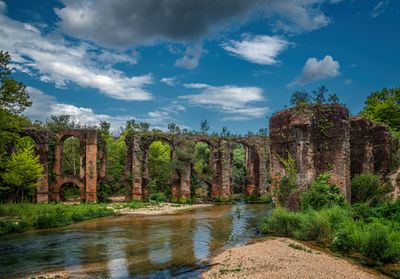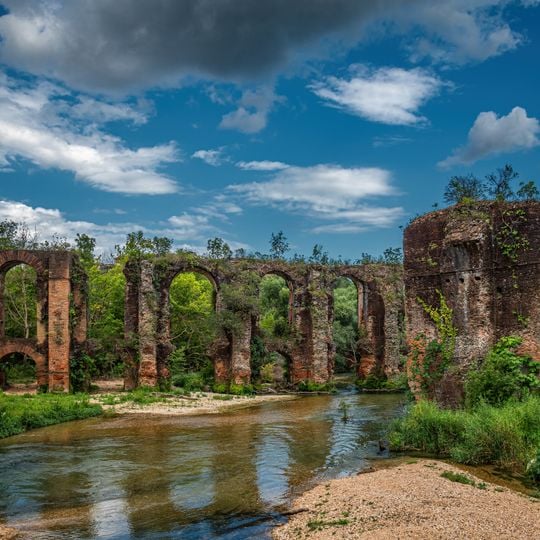
Nicopolis Roman Aqueduct, Roman aqueduct in Nicopolis, Greece
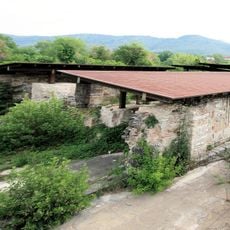
The Nicopolis Aqueduct was a Roman water system that carried water from mountain sources of the Louros River over great distance to the ancient city. The network consisted of channels with overhead arches, ground-level pipes, and tunnels driven through mountains.
The structure was built in the 2nd century under Emperor Hadrian and supplied the city for about 500 years. After the Ostrogothic invasion in the 6th century, the facility was abandoned and fell into disrepair.
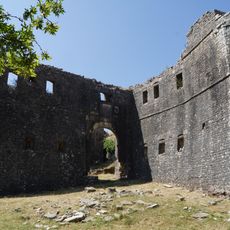
The structure shows Roman engineering methods that combine arches, pipelines, and tunnels carved through stone. Visitors can observe how the Romans used natural slopes to move water without pumps.
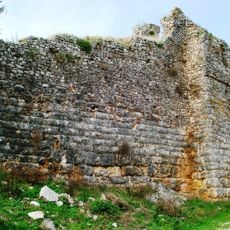
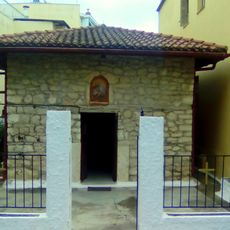
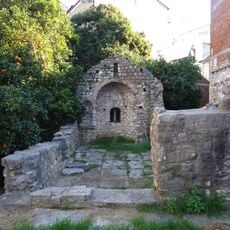
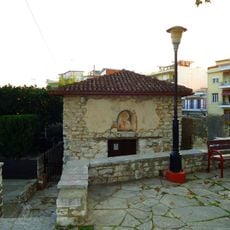
Remains of the aqueduct are visible at several locations including Archangelos, Stefanis, Skala Louros, and near the village of Agios Georgios. Wear sturdy shoes as some sections cross uneven terrain and rocky paths.
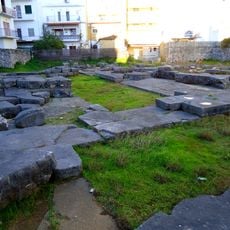
Water flowed through two reservoirs at the Nymphaeum before being distributed throughout the city. This dual-reservoir system helped balance water pressure and ensure steady supply.
The community of curious travelers
AroundUs brings together thousands of curated places, local tips, and hidden gems, enriched daily by 91,127 contributors worldwide.