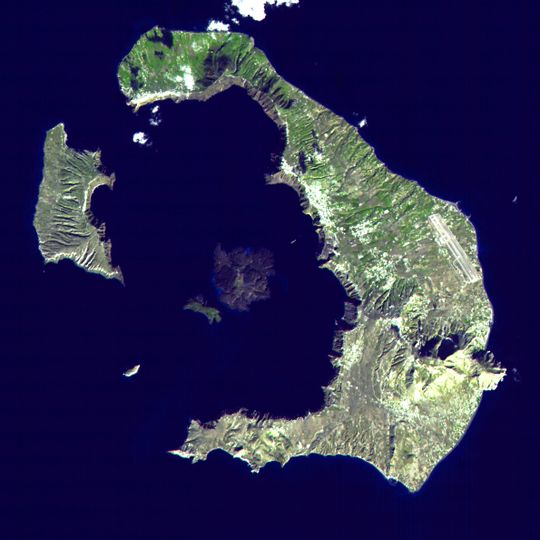
Santorini archipelago, Volcanic archipelago in Aegean Sea, Greece
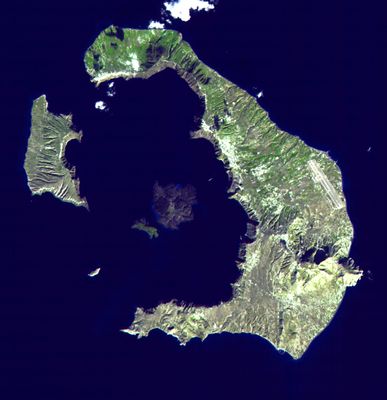
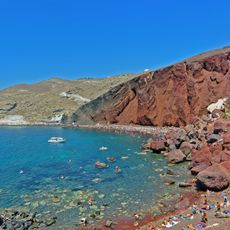
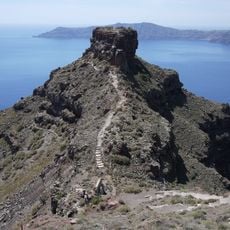
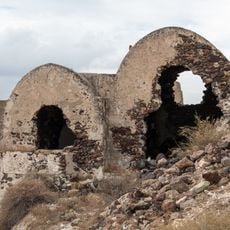
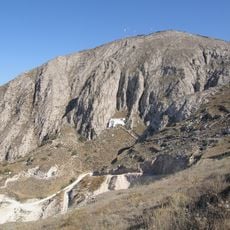
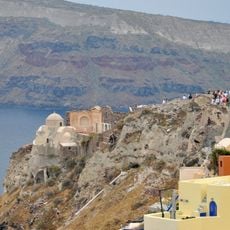
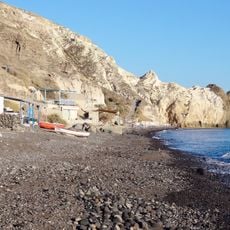
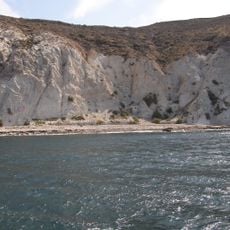
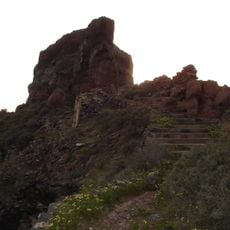
Santorini is an archipelago of five main islands arranged in a semicircle around a submerged volcanic crater in the southern Aegean Sea. The islands are characterized by steep cliffs, dark volcanic rock, and deep blue waters that define the landscape.
Around 1600 BC, a massive volcanic eruption caused the collapse of the island's center and created the crater formation visible today. This event fundamentally changed the islands' shape and left behind the geological landscape that defines the archipelago.
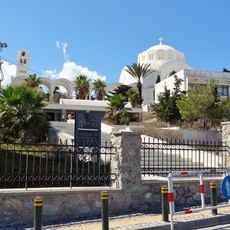
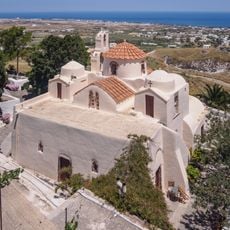
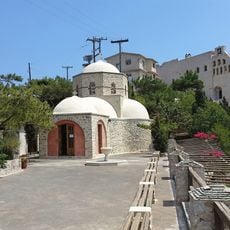
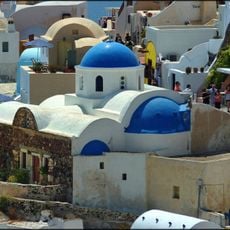
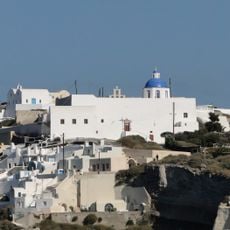
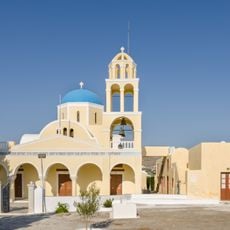
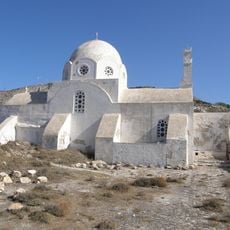
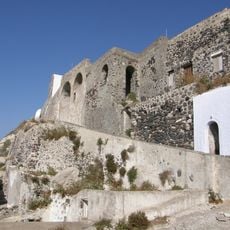
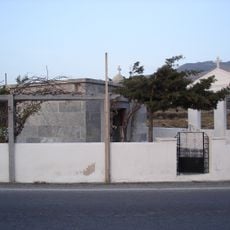
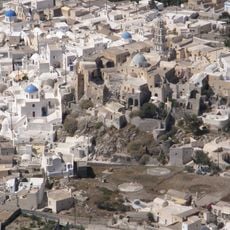
The traditional villages feature characteristic architecture with whitewashed cubic buildings built directly into the volcanic cliffs. Residents and visitors move through the narrow, sunlit streets where this distinctive style shapes daily life and how people experience the landscape.
Ferries link the main island Thira with other Cycladic islands, and the airport receives flights from Athens and European destinations. Comfortable shoes are important for navigating steep pathways, and travel conditions vary depending on the season and weather.
The archipelago contains two inhabited islands, Thira and Therasia, plus three uninhabited ones: Nea Kameni, Palaia Kameni, and Aspronisi. Visitors can reach the younger volcanic islands where geothermal activity remains visible and the raw volcanic landscape is still being shaped by geological forces.
The community of curious travelers
AroundUs brings together thousands of curated places, local tips, and hidden gems, enriched daily by 92,072 contributors worldwide.