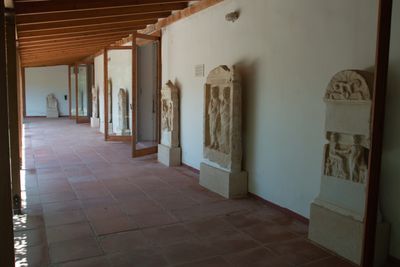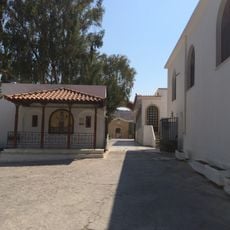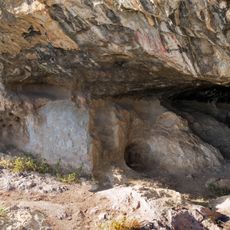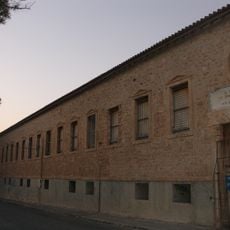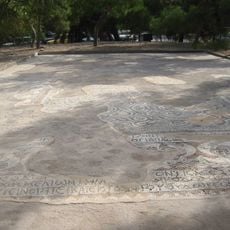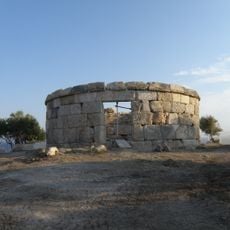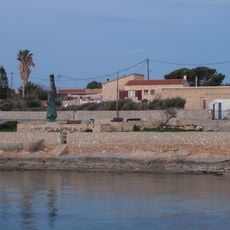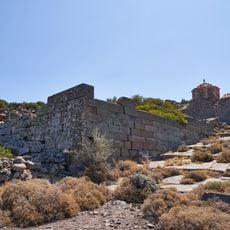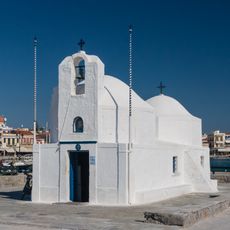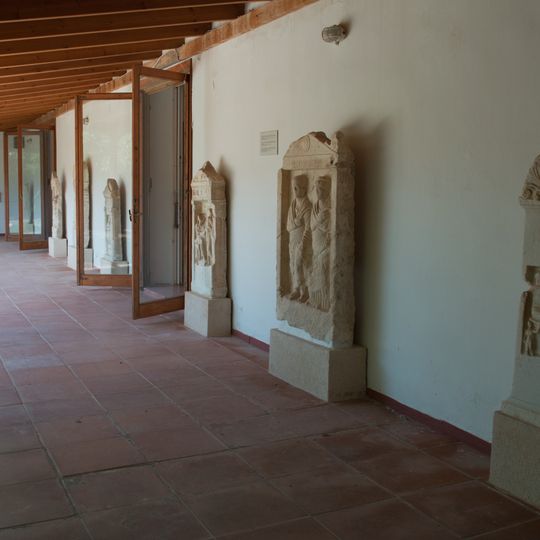
Archaeological Museum of Aegina, Archaeological museum in Aegina, Greece.
The Archaeological Museum of Aegina holds artifacts spanning different periods of Mediterranean civilization, including pottery, statuettes, coins, and bronze objects. These items come from the Early Bronze Age through the Mycenaean era and demonstrate the development of local societies.
Founded in 1828 by Ioannis Kapodistrias, the country's first governor, it became the earliest national museum institution in Greece. The collection was created to preserve and protect the island's archaeological treasures for future generations.
The objects on display reveal how people on the island lived and what they valued across different periods. You can trace changes in craftsmanship and artistic expression as you move through the rooms.
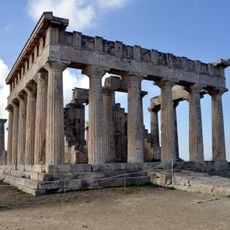
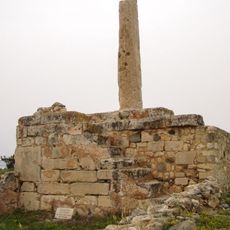
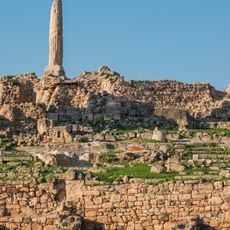
The museum sits near the archaeological site of Kolona and is easy to reach. Most visitors combine both locations in a single visit, as a single ticket provides access to both.
A remarkable piece is a Sphinx statue from 460 BC, discovered in 1903, that combines features of a lion, an eagle, and a human female head. This unusual depiction reveals the creativity and artistic imagination of ancient craftspeople.
The community of curious travelers
AroundUs brings together thousands of curated places, local tips, and hidden gems, enriched daily by 92,309 contributors worldwide.