Prytaneion of Olympia, Ancient administrative building in Ancient Olympia Municipality, Greece
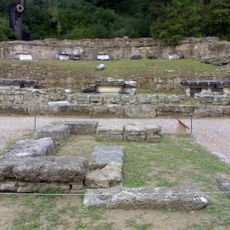
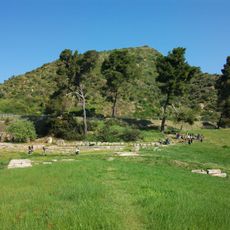
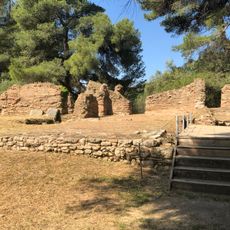
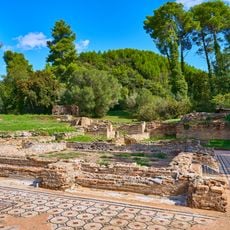
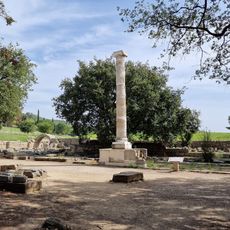
The Prytaneion is a square building located in the northwest corner of the Olympia sanctuary, positioned near the sanctuary entrance. Its structure shows how ancient Greek builders designed administrative spaces that served both official and religious functions.
The classical building was erected around 475 BC, replacing Archaic structures on the same spot, the last of which dates to 500 BC and likely served the same purpose. With the Bouleuterion, it was the second seat of the authorities organising the Olympic Games, who oversaw the sacrifices held at the sanctuary. The hecatomb sacrifice took place here, and the winners were celebrated on the games' final day.
The name comes from the prytaneis, magistrates who lived and met here. On the final day of the Games, victors were celebrated with a banquet in the large dining hall, the Hestiatorio, while a smaller room served the registered athletes daily. The altar of Hestia held the original torch, and Pausanias describes its importance; its ashes were periodically moved to the Altar of Zeus.
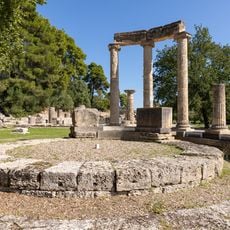
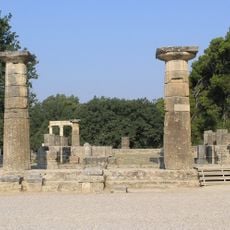
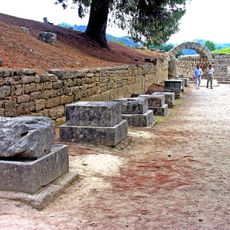
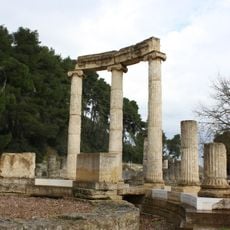
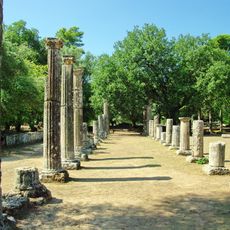
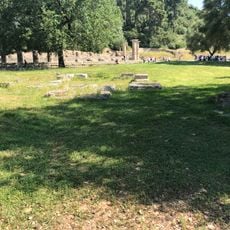
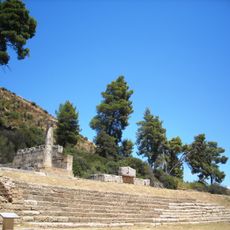
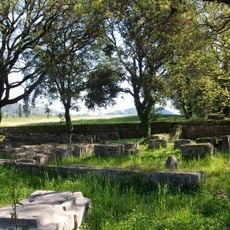
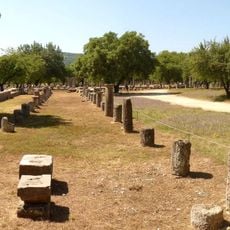
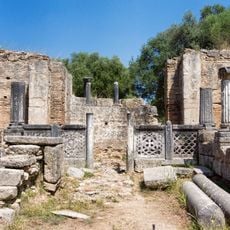
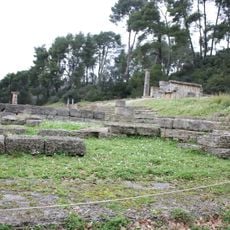
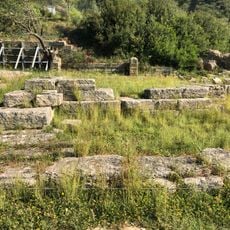
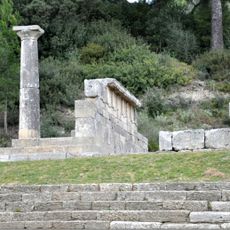
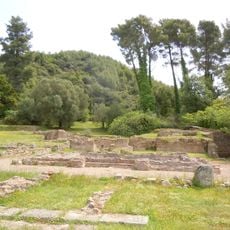
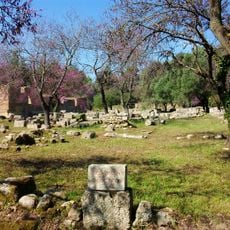
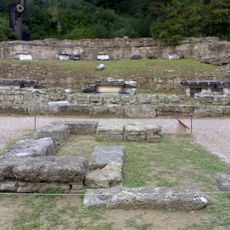
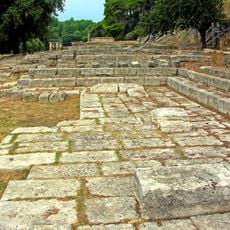
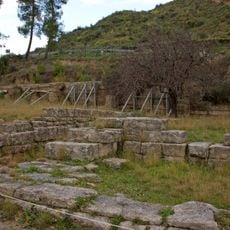
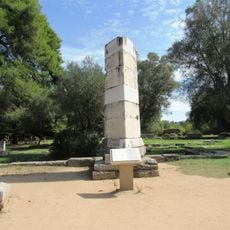
The ruins lie in the northeast corner of the Altis, at the foot of Mount Cronio, northwest of the Temple of Hera and south of the Philippeion. Look for the square base of the Hestia altar room, about 6.5 m on each side, and the north colonnade where the official banquets were held.
This building merged government administration and religious practice under one roof, a combination that shaped how the entire Olympia sanctuary functioned. The way officials conducted both state business and sacred rituals here reveals how intertwined politics and religion were in ancient Greece.
The community of curious travelers
AroundUs brings together thousands of curated places, local tips, and hidden gems, enriched daily by 94,030 contributors worldwide.