Blue Cave, Sea cave in Kastellorizo, Greece
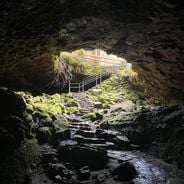
The Blue Cave is a sea cave on the southeast coast of Kastellorizo, made of two connected halls formed by karst erosion during the Pleistocene. It is about 75 m long, 25–30 m wide and 25–35 m high, with stalactites and a shingle bed in the second chamber.
Local inhabitants named the cave Phokiali, a Greek word meaning seal's refuge, because seals once lived in the area. The site has been known to seafarers as a shelter point on this coastline for many centuries.
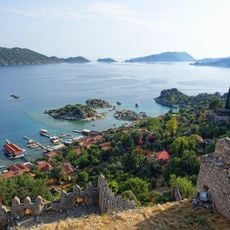
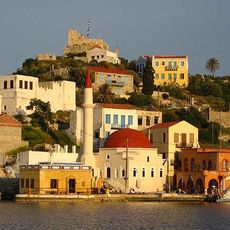
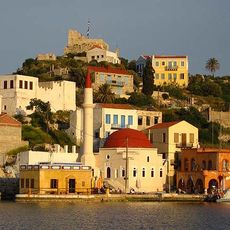
Locals call the cave Phokiali, Greek for "seal's refuge", after the Mediterranean monk seals that once sheltered there and still rest on a gravel bed in the second chamber. Boats leave from Mandraki harbour, and visitors can swim and dive inside the cave.
The cave is only accessible during calm sea conditions because the entrance sits very low to the water and waves can block entry. Early morning typically offers the best conditions, and visitors need a boat to enter the cave.
The cave has two connected chambers, and the second holds a gravel bed where Mediterranean monk seals (Monachus monachus) rest; the Greek name Phokiali means seal's refuge. The cave formed through karst erosion in the Pleistocene and holds stalactites.
The community of curious travelers
AroundUs brings together thousands of curated places, local tips, and hidden gems, enriched daily by 92,921 contributors worldwide.