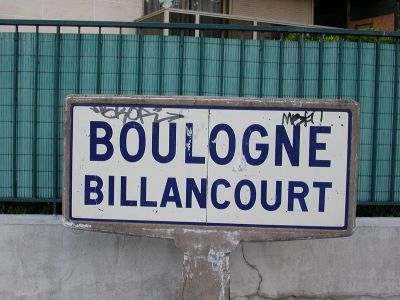
Boulogne-Billancourt, Administrative district in western Paris, France.
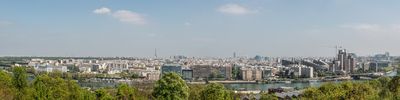
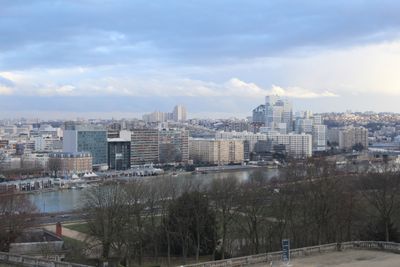
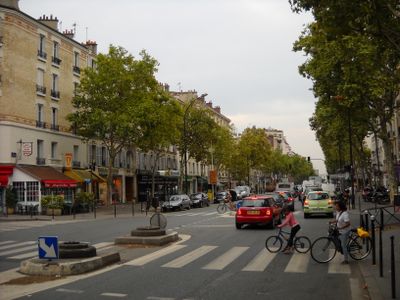
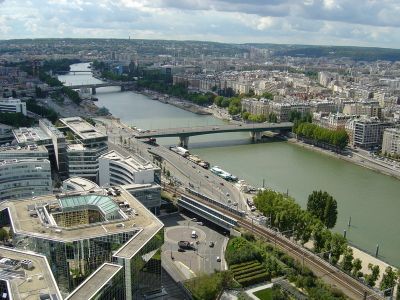
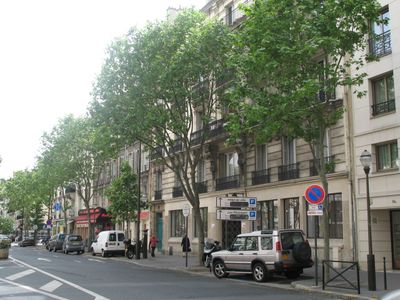
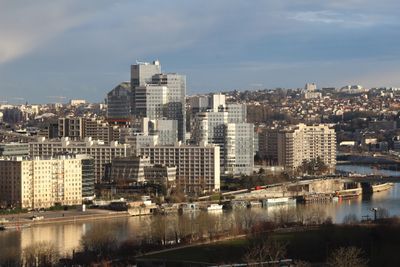
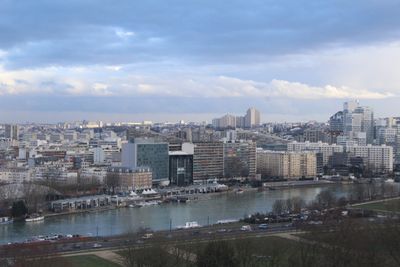
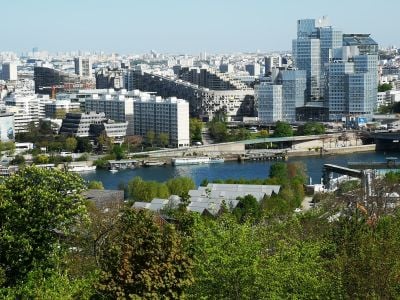
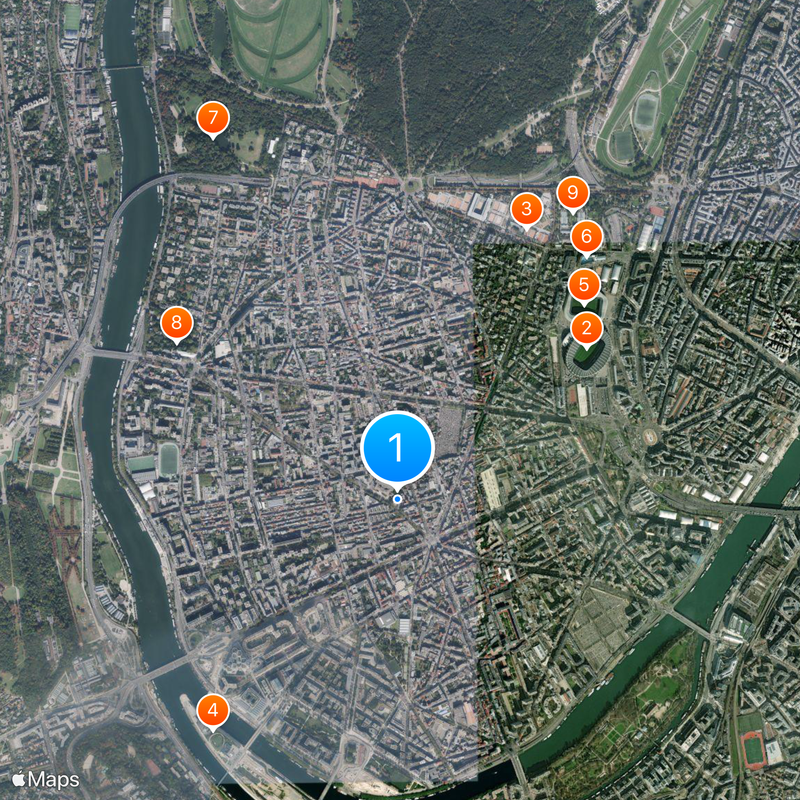
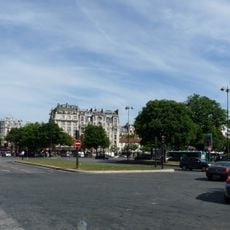
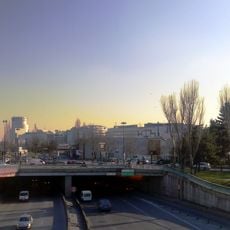
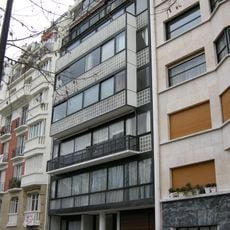
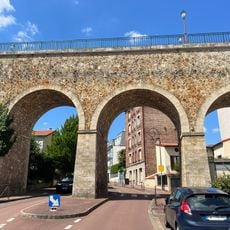
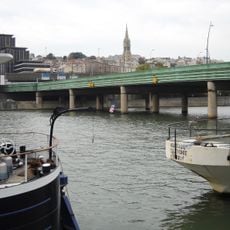
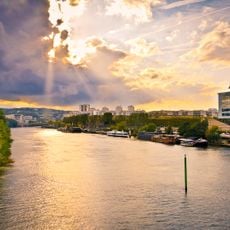
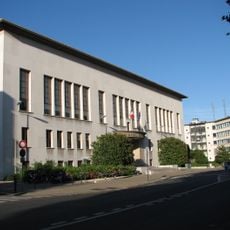
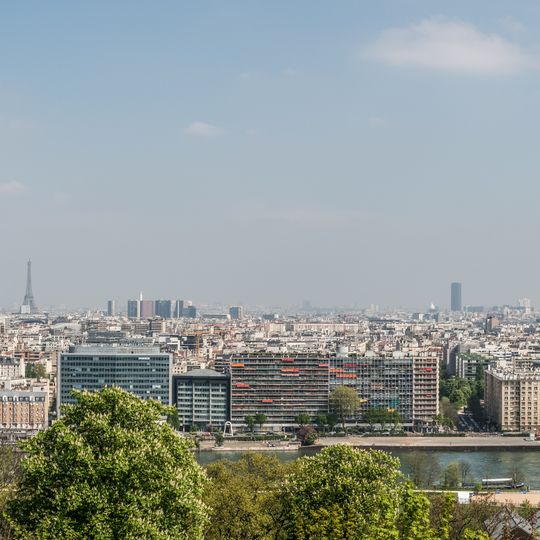
This commune covers 6.17 square kilometers along the Seine, comprising residential neighborhoods with buildings from various periods. Wide streets traverse the territory situated between the river and the Meudon forest. Parks and public squares distribute throughout the area.
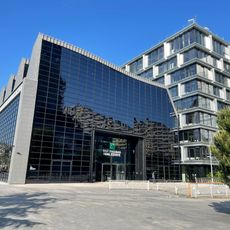
During the nineteenth century, the area changed from farmland to an industrial location that became headquarters for Renault automobile production from 1898 onward. The factories employed over 30,000 workers at their peak before production ceased in 1992. Since the 2000s, new residential and commercial districts emerged on former industrial grounds.
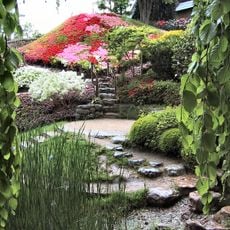
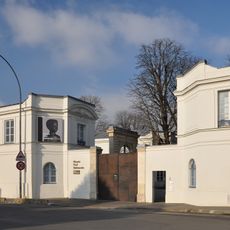
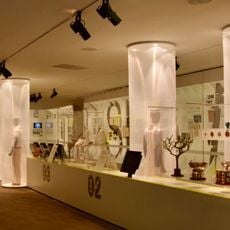
The Albert Kahn Museum houses one of the earliest collections of color photography worldwide, alongside themed gardens representing different continents. The Museum of the 1930s exhibits artwork and furnishings from the interwar period. Former industrial sites now accommodate cultural institutions and creative businesses.
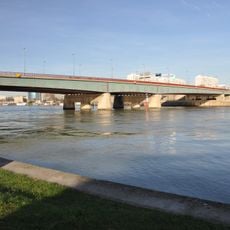
Access is provided through metro lines 9 and 10, several bus routes, and cycling paths along the Seine riverbanks. Numerous shops, restaurants, and public facilities are located across different neighborhoods. Most streets offer good pedestrian access, while riverside areas provide walking opportunities.
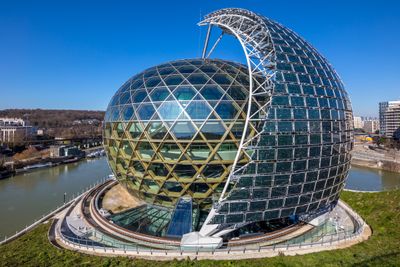
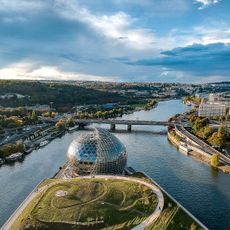
The former Renault production site Île Seguin, a river island, was converted after decades of vacancy into the Cité Musicale, housing concert halls and a contemporary art museum since 2017. The Seine-Musicale features a movable solar sail that shades the main auditorium and tracks the sun daily.
The community of curious travelers
AroundUs brings together thousands of curated places, local tips, and hidden gems, enriched daily by 92,051 contributors worldwide.