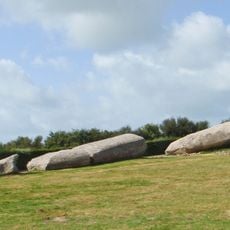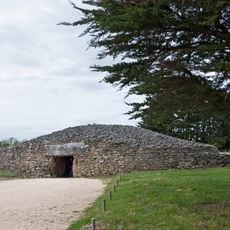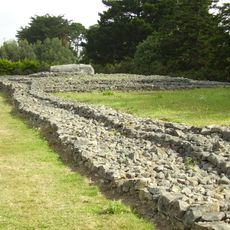
Mané-er-Hroëk tumulus, tumulus in Locmariaquer, France
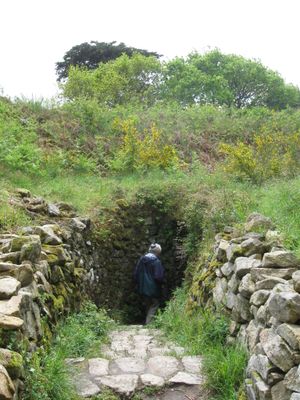
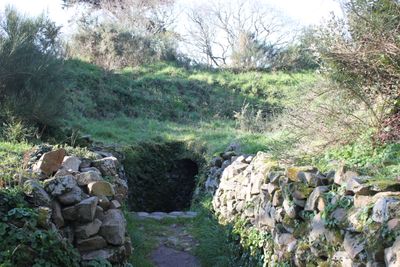
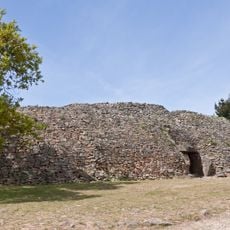
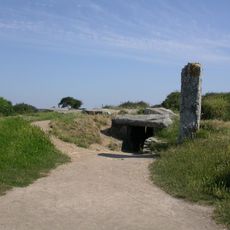
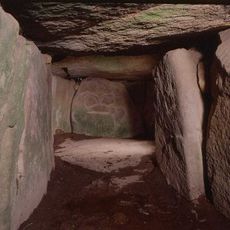
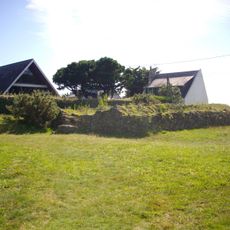
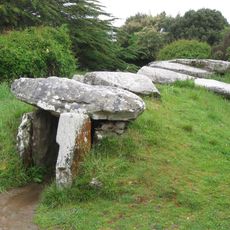
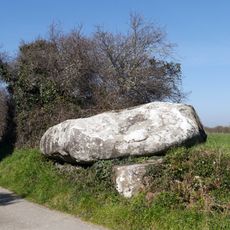
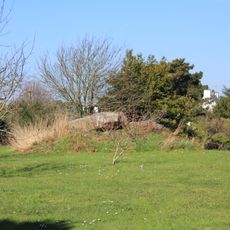
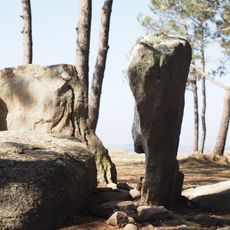
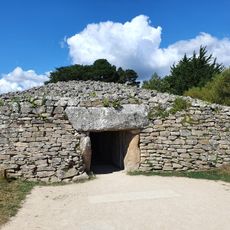
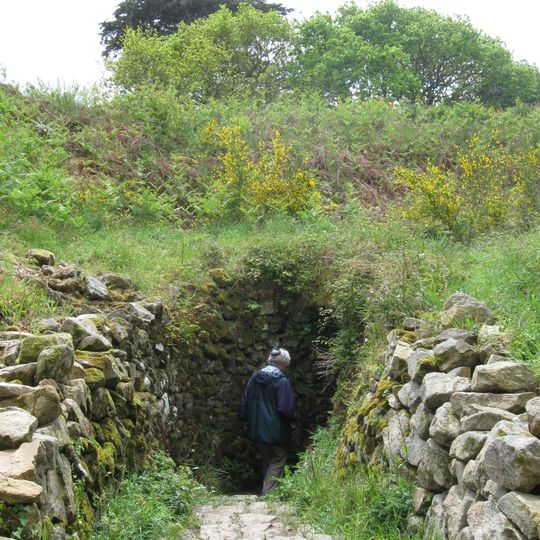
Mané-er-Hroëk is a large Neolithic burial mound in Locmariaquer, Brittany, shaped like an elongated oval measuring around 100 meters long and 60 meters wide, rising about 10 meters high. Inside lies a rectangular stone chamber approximately 4 meters long, built with massive flat stones forming the floor and ceiling.
This mound was built more than 6500 years ago during the Neolithic period when early settlers began constructing permanent monumental graves. In 1863, archaeologists René Galles and Jules Lefebvre excavated the site and uncovered numerous artifacts indicating long-distance trade connections.
This mound served as a gathering place for remembering the dead and honoring ancestors. The effort required to build such a large structure reflects how central burial rituals and collective memory were to the people who created it.
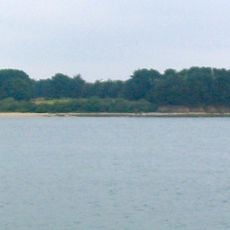
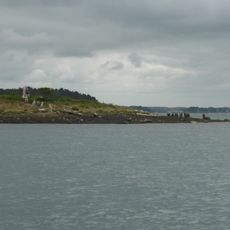
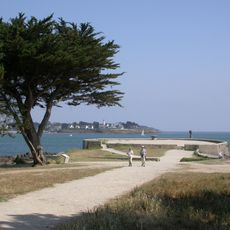
The site is freely accessible and open for exploration at any time, with the stone chamber accessible for visitors to view the interior structure. Wear sturdy shoes as the ground is uneven, and the location offers views over the Golfe du Morbihan.
Inside the chamber, archaeologists discovered rare objects including a jade disc and a necklace of 41 variscite beads that came from the Alps and Iberian Peninsula. These finds reveal that people buried here were connected to distant regions through trade networks that operated thousands of years ago.
The community of curious travelers
AroundUs brings together thousands of curated places, local tips, and hidden gems, enriched daily by 91,781 contributors worldwide.