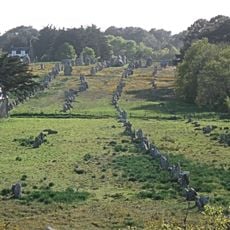
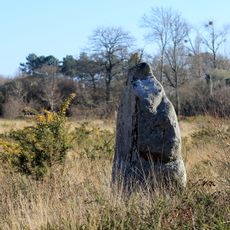
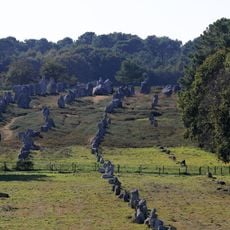
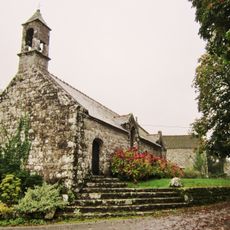
Dolmen de Mané-Kerioned, Neolithic dolmen in Carnac, France
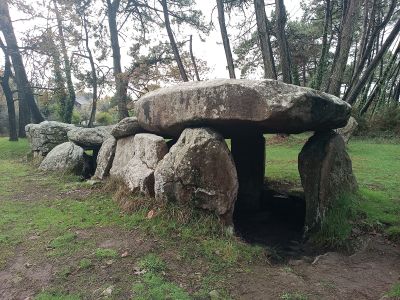
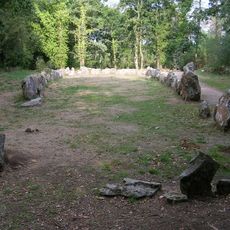
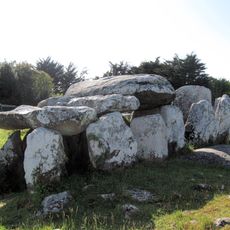
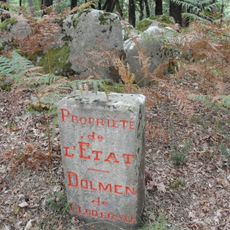
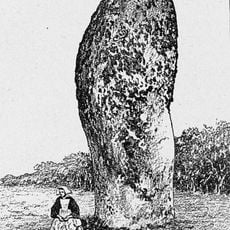
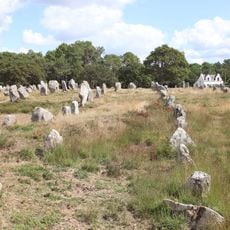
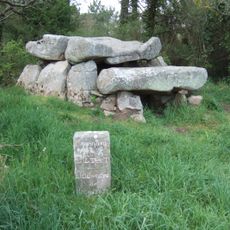
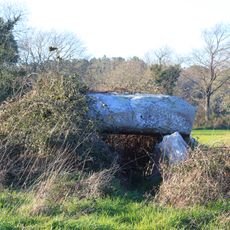
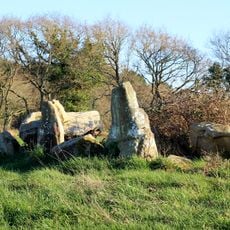
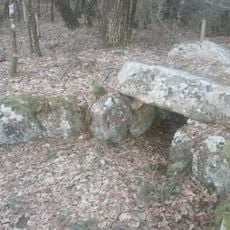
The Mané-Kerioned dolmen is a group of three passage graves of weathered grey granite, set on bare earth beside the D 768. Two open south and lie parallel; the third, between them, opens east. The largest, over 11 m long, is sunken and easy to miss, with a pear-shaped chamber and flat capstones; a single tall upright stone stands at its right rear.
These megalithic structures were built around 3500 BCE and rank among the oldest monuments in the region. Archaeological excavations in 1866 uncovered pottery fragments hidden beneath the capstones.
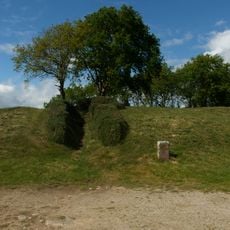
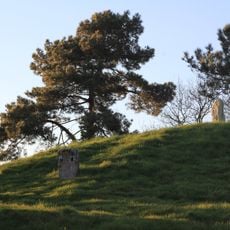
The Breton place-name Mané-Kerioned means "hill of the elves"; in Morbihan folklore the dolmens were the houses of the Korrigans, called Kerions locally. The three tombs were long buried in a single elongated tumulus bounded by large blocks, and the site is still known as Butte aux Lutins.
The site is open year-round and features marked walking paths for easy navigation. Wear comfortable shoes and come prepared for uneven ground.
In 1922, during a third restoration, Zacharie Le Rouzic found a slab in the tumulus body bearing two hollow engravings of hafted axes. The eastern dolmen, over 11 m long, has carvings on six of its 27 stones, including zigzag patterns like those at Kercado.
The community of curious travelers
AroundUs brings together thousands of curated places, local tips, and hidden gems, enriched daily by 93,478 contributors worldwide.