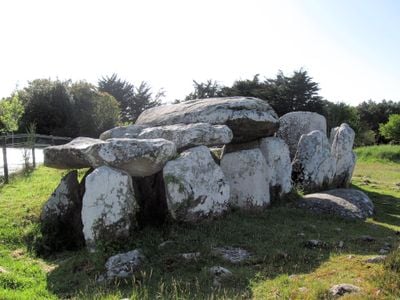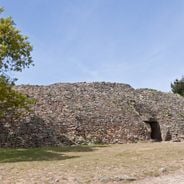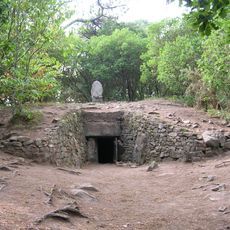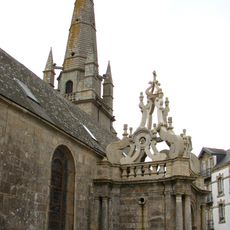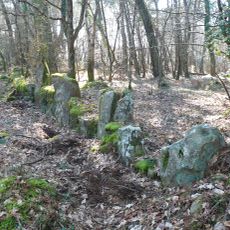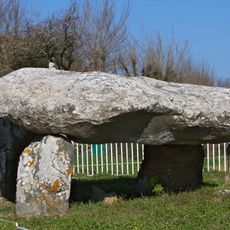
Dolmen de Kermario, Neolithic burial chamber in Carnac, France
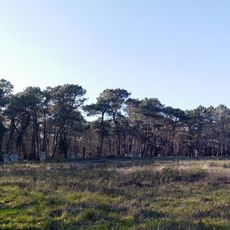
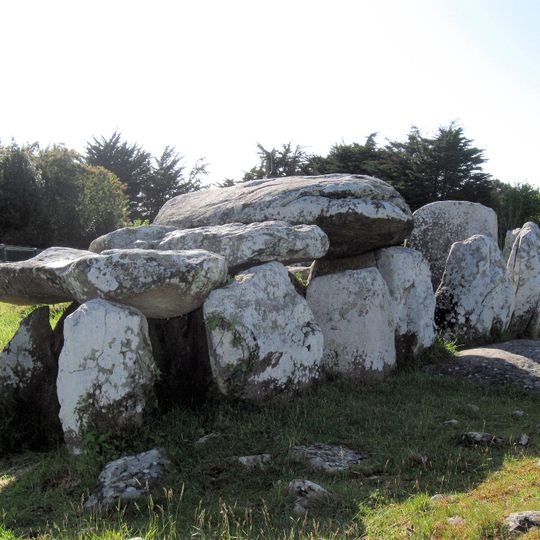
The Dolmen de Kermario is a granite chamber with a passage entrance facing south-southeast, positioned at the southwestern end of the Kermario alignments. The structure consists of large stones fitted together to form a burial chamber where people were laid to rest.
The megalithic structure dates from between 5000 and 3000 BCE and was excavated by J. Miln in 1877, followed by restoration work in 1929. These efforts helped preserve the ancient monument for future generations to study and understand.
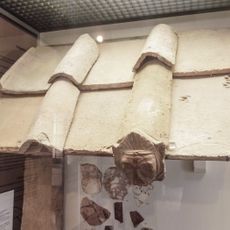
The pottery and tools found here are now displayed at the Museum of Prehistory in Carnac, showing how people lived and worked thousands of years ago. These objects help visitors understand the craftsmanship and daily routines of the people who used this burial place.
The dolmen is located within a protected heritage site and can often be visited through guided tours that explain Neolithic burial practices. Visitors should wear sturdy footwear and be prepared for uneven ground, especially in wet conditions.
The burial chamber is part of a complex system stretching over more than one kilometer with about 980 standing stones arranged in rows. This represents the largest collection of megalithic alignments in Carnac and reveals the remarkable organizational skills of Neolithic people.
The community of curious travelers
AroundUs brings together thousands of curated places, local tips, and hidden gems, enriched daily by 91,828 contributors worldwide.