See the monuments around you in AROpen chests in the app
Around Us is built for your phone — point your camera at the streets and discover the monuments and places around you in augmented reality.Around Us is built for your phone — chests unlock when you walk, explore and capture nearby places.
Carnac: megalithic sites, Breton beaches, dolmens and aligned stones
Carnac is a place where history goes back many thousands of years. The large stones that dot the landscape tell of old civilizations. Here, you see lines of stones that stretch over wide areas, stone tombs called dolmens, and burial mounds. These monuments stand in a typical Breton seaside setting, where the natural environment remains mostly unchanged.
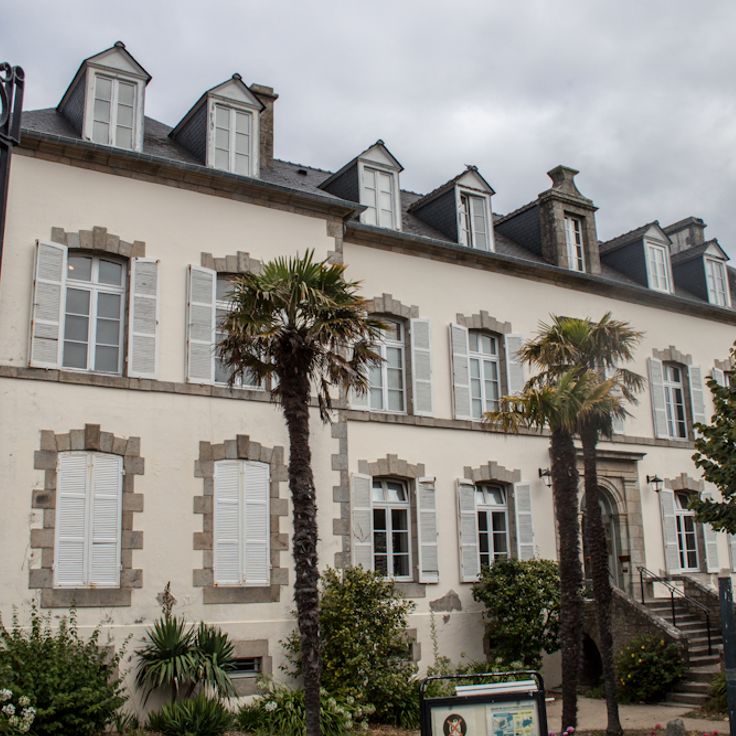
The village combines ancient history with seaside life. Fine sandy beaches welcome visitors, while a yacht harbor adds activity to the waterfront. You also find old buildings that reflect Carnac's more recent history. The main sites, like the Ménec alignments, Kerlescan alignments, and the Kermario dolmen, show how rich the area's archaeology is. The Saint-Michel Tumulus offers a wide view of the region, and the Saint-Cornély Church shows the medieval side of Carnac.
Carnac takes you on a trip back in time. Walking between the beach and ancient stones, you learn more about the secrets of this place where people have lived since very early times.
Carnac: megalithic sites, Breton beaches, dolmens and aligned stones
Carnac is a place where history goes back many thousands of years. The large stones that dot the landscape tell of old civilizations. Here, you see lines of stones that stretch over wide areas, stone tombs called dolmens, and burial mounds. These monuments stand in a typical Breton seaside setting, where the natural environment remains mostly unchanged.
The village combines ancient history with seaside life. Fine sandy beaches welcome visitors, while a yacht harbor adds activity to the waterfront. You also find old buildings that reflect Carnac's more recent history. The main sites, like the Ménec alignments, Kerlescan alignments, and the Kermario dolmen, show how rich the area's archaeology is. The Saint-Michel Tumulus offers a wide view of the region, and the Saint-Cornély Church shows the medieval side of Carnac.
Carnac takes you on a trip back in time. Walking between the beach and ancient stones, you learn more about the secrets of this place where people have lived since very early times.
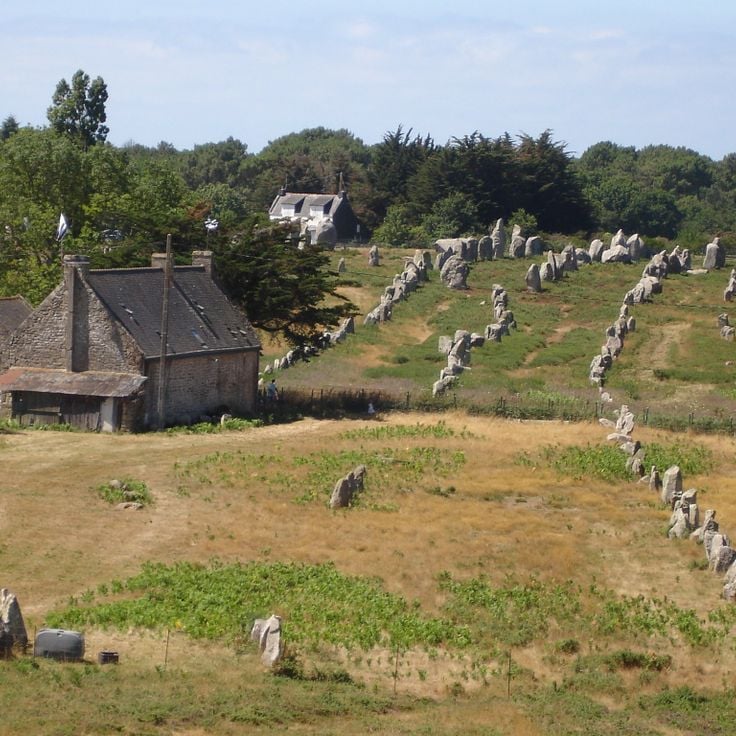
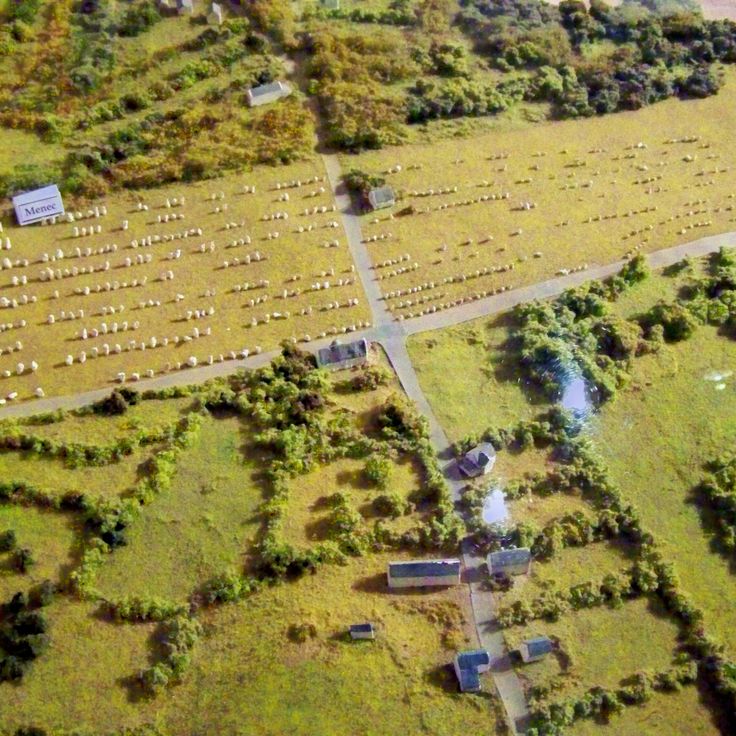
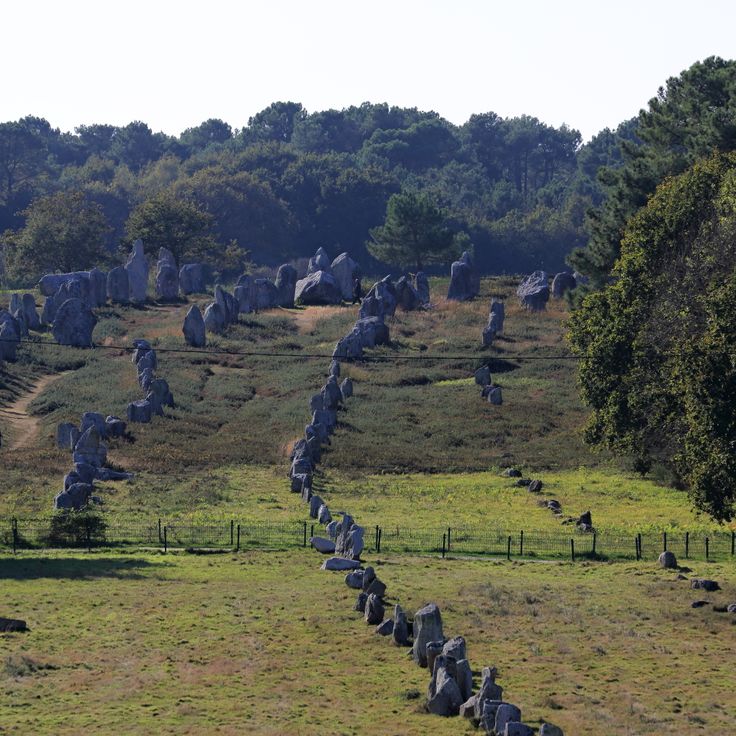
These stone rows of Carnac contain more than 3000 standing stones from the Neolithic period, erected between 4500 and 2500 BCE. They stretch for several kilometers across the Breton landscape in parallel lines of varying heights. Archaeologists believe these arrangements served ritual or religious purposes for ancient communities. Walking among the stones, visitors can explore how people thousands of years ago organized this landscape. The setting remains largely natural, allowing the ancient character of the place to come through. The rows differ in their density and spacing, creating varied walking experiences as you move through the site. Local legends and ongoing research continue to add to the mystery of why these stones were placed so deliberately.
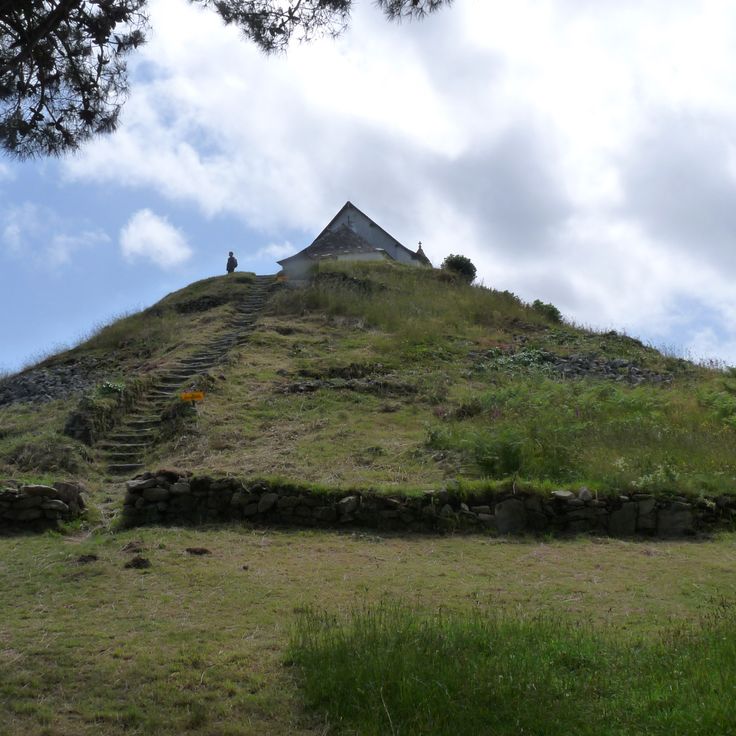
The Tumulus Saint-Michel is the largest mound of its kind in Europe, rising 10 meters high. In Carnac, this ancient burial monument from the Neolithic period holds items that were placed with the dead. From the top, you can see far across the surrounding landscape. The mound shows how important this place was for the early people who lived here and honored their dead with careful burials.
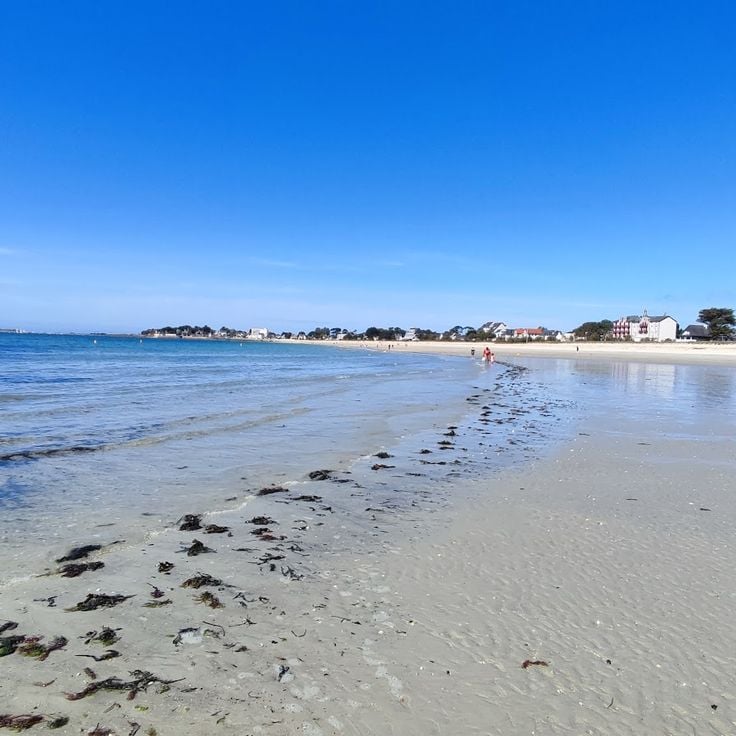
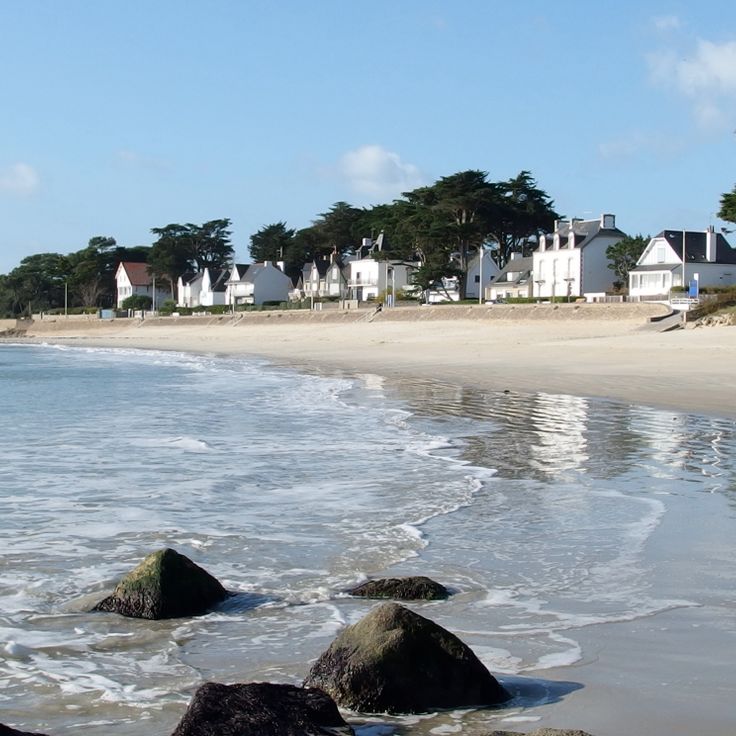
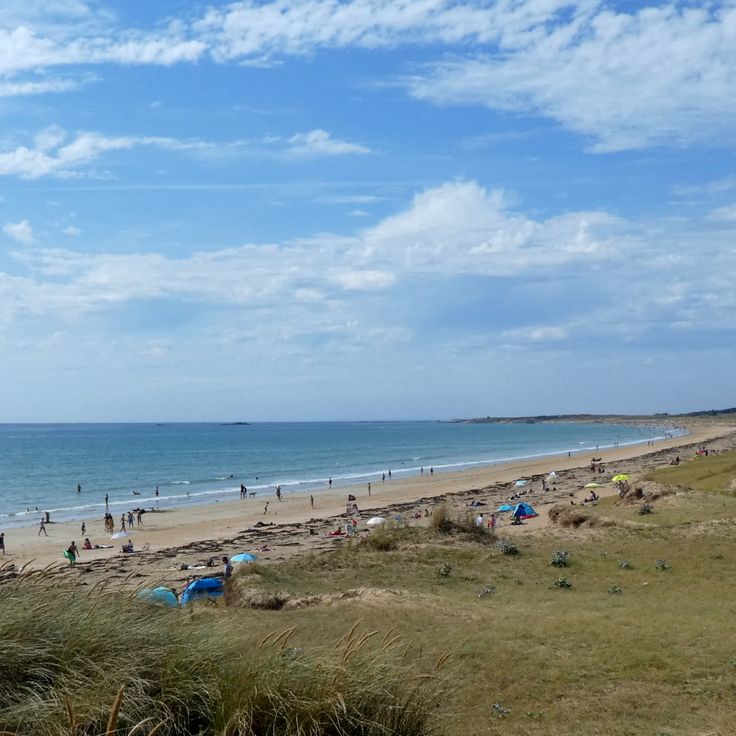
The Grande Plage of Carnac is a long stretch of sandy beach along the Breton coast. The water here is shallow and gentle, making it easy to swim and paddle. The sand is fine and light-colored, and the shoreline attracts families, walkers, and people looking for a quiet moment by the sea. On warm days, the beach fills with swimmers and sunbathers, while early mornings and late afternoons tend to be calmer. Along the beach, you find beach huts, casual restaurants, and shops selling local snacks. The rhythm of the day shapes the place - busy when the sun is high, peaceful as evening approaches. Beyond the sandy expanse, you can see the water stretching to the horizon, with occasional boats moving across it.
The Alignements du Ménec in Carnac represents one of the most significant neolithic stone arrangements in this historic location. Eleven rows of stones stretch across the landscape, created by ancient people whose purpose remains a subject of study. These standing stones are easy to visit on foot from the village, and their sheer number gives a sense of the effort and organization involved in their placement. Walking among the Alignements du Ménec connects you to thousands of years of human presence in this coastal Breton setting. This site helps explain why Carnac is known for its remarkable concentration of prehistoric monuments.
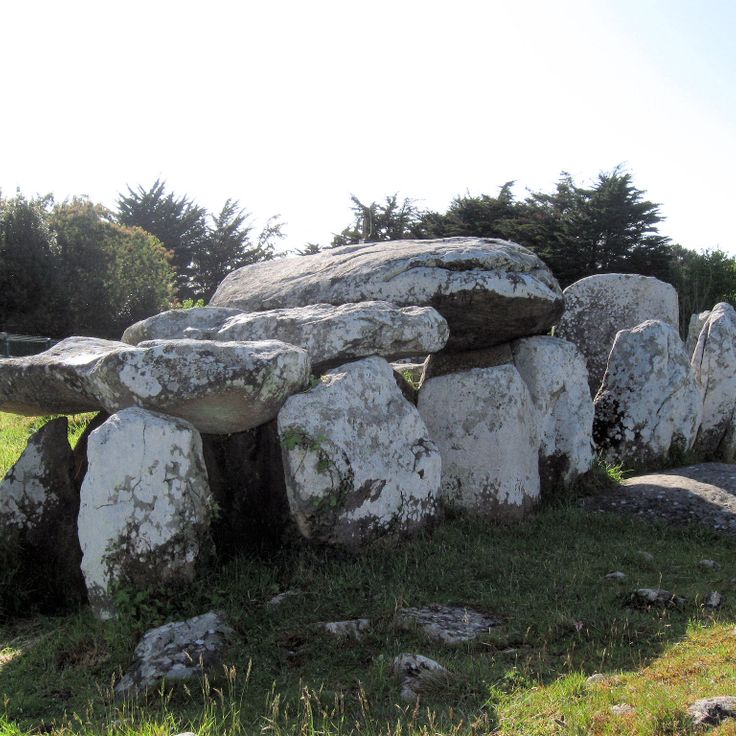
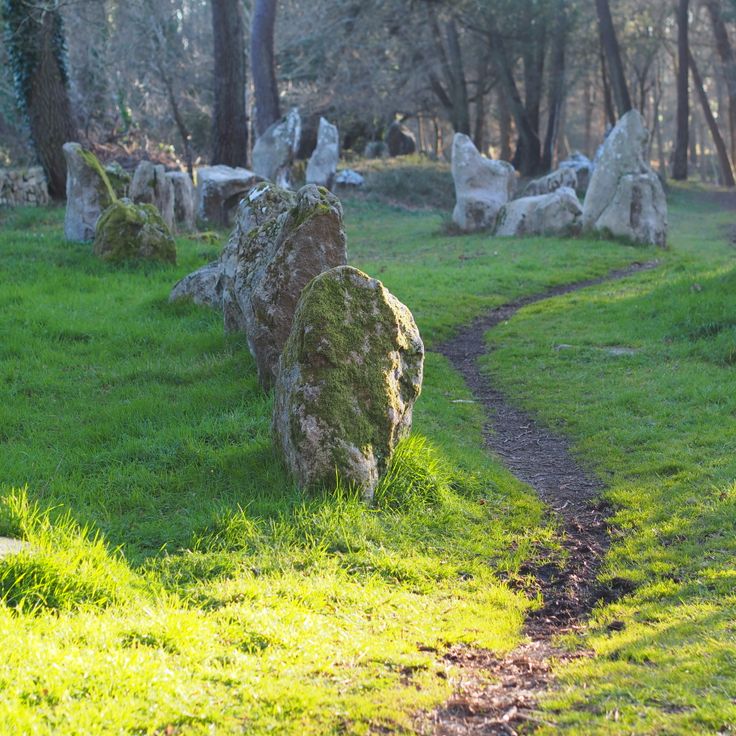
The Dolmen of Kermario in Carnac represents a direct connection to prehistoric times. This site contains several large stones arranged in deliberate rows, standing as monuments built by ancient inhabitants. Unlike the extensive stone alignments elsewhere in Carnac, this dolmen presents a more concentrated arrangement that draws visitors into an intimate exploration of the past. Walking among these stones gives a sense of the labor and planning that went into their placement. The location sits within Carnac's larger archaeological landscape, where the coastal setting complements the weight of these ancient remains.
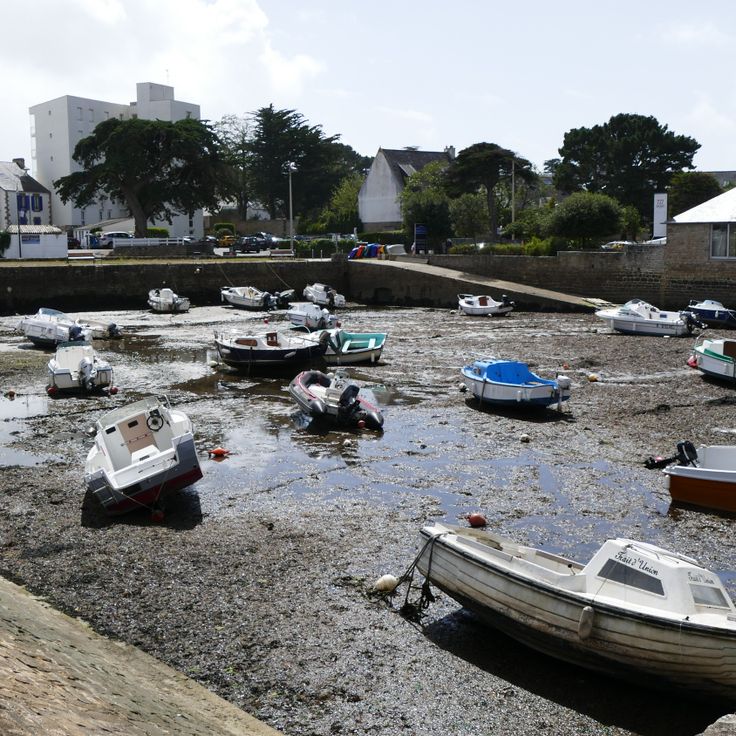
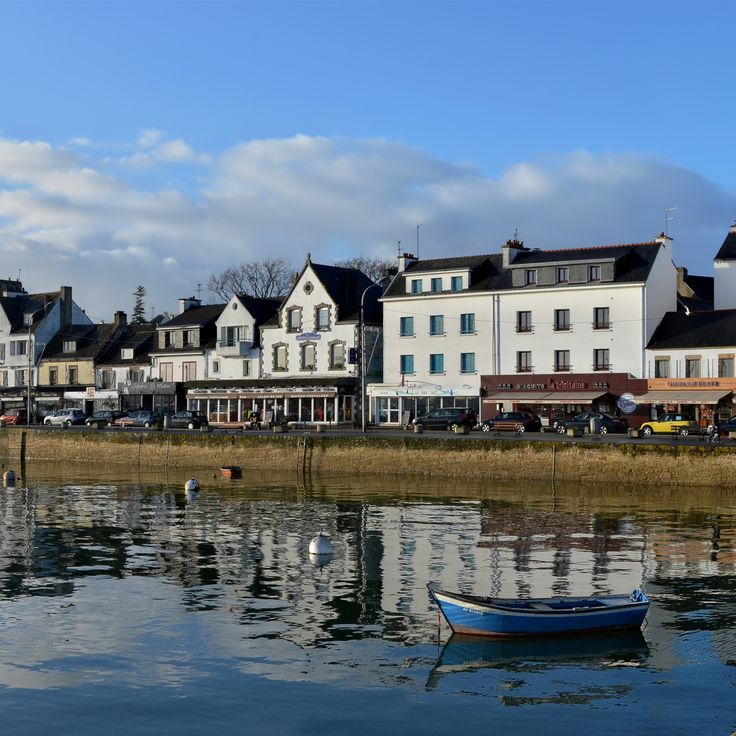
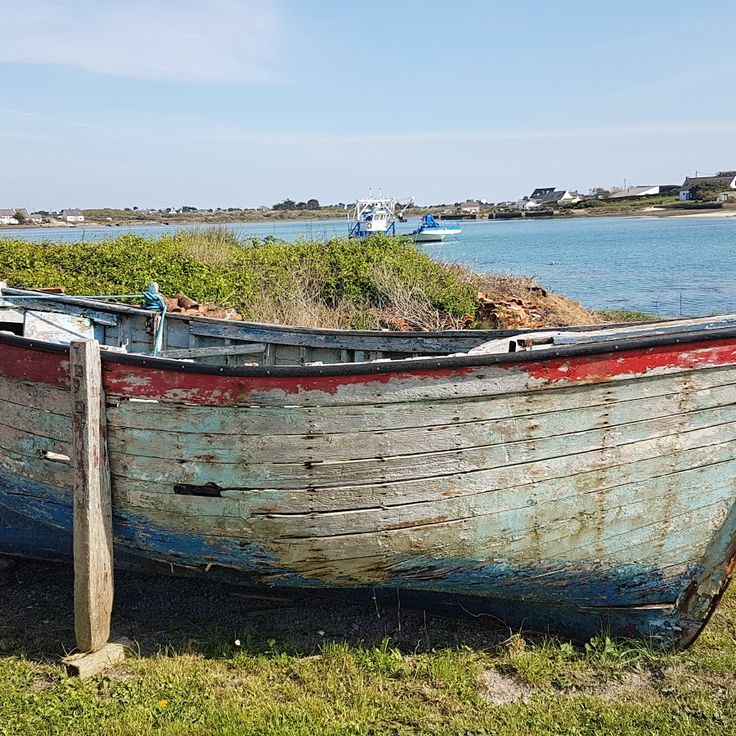
Port en Dro in Carnac is a small fishing port located directly on the Breton coast. This harbor provides mooring spaces for boats and offers direct views across the Bay of Quiberon. The port is part of Carnac's story, where ancient megaliths and contemporary seaside life coexist. From this spot, visitors can venture onto the water while taking in the natural beauty that surrounds this historic region.
Légenèse Beach in Carnac is a wide sandy shore where visitors can swim, sunbathe, and enjoy water sports. The beach stretches along the coast and serves as a gathering place for both locals and travelers. Located in a region famous for its ancient stone monuments, this beach represents the modern side of Carnac, where prehistoric history meets contemporary seaside life. The sandy expanse offers a place to relax and take in the coastal landscape.
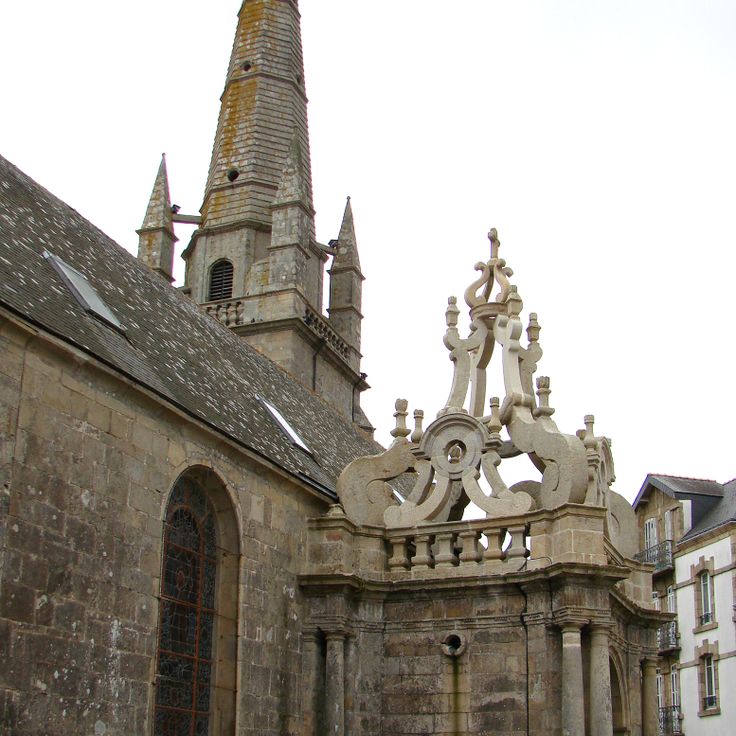
The Church of Saint-Cornély in Carnac is a 17th-century building that preserves the medieval history of the place. It combines Gothic and Romanesque architectural elements with a prominent bell tower that rises above the village. As the parish church of the settlement, it stands in contrast to the prehistoric stones that shape the landscape, showing how Carnac developed over the centuries. Visiting this church offers insight into the more recent history of the place after exploring the ancient megalithic monuments.
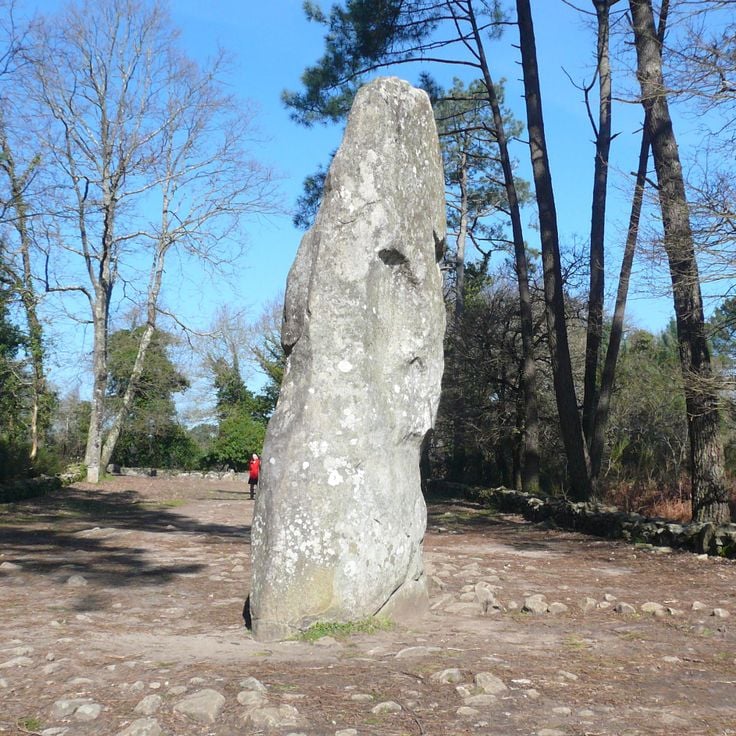
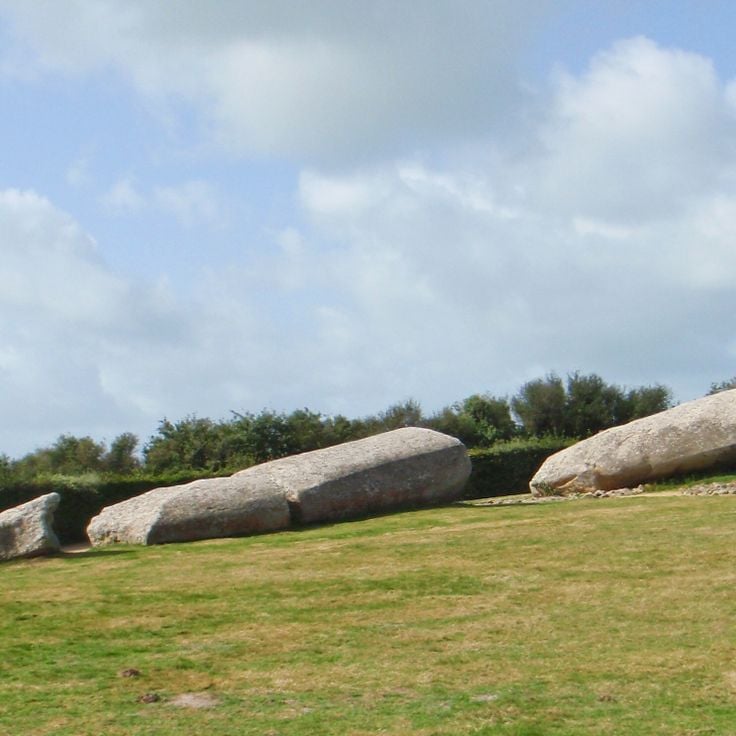
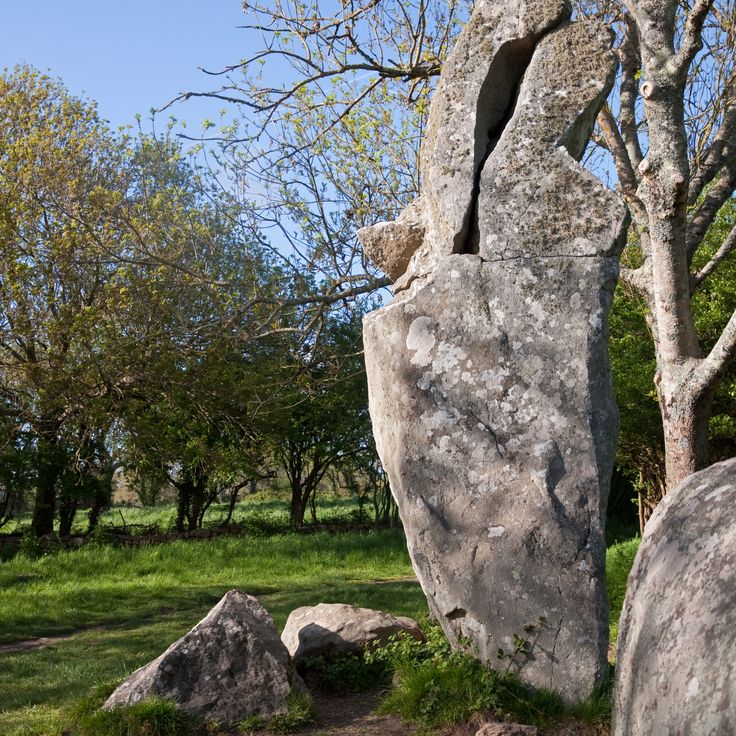
The Géant du Manio is a solitary standing stone in Carnac, notable for its height of about 6.5 meters (21 feet). It rises higher than any other stone in the Morbihan department. This menhir stands among Carnac's many prehistoric monuments, which date back thousands of years. It provides a glimpse into the megaliths that have shaped this Breton coastal landscape since ancient times.
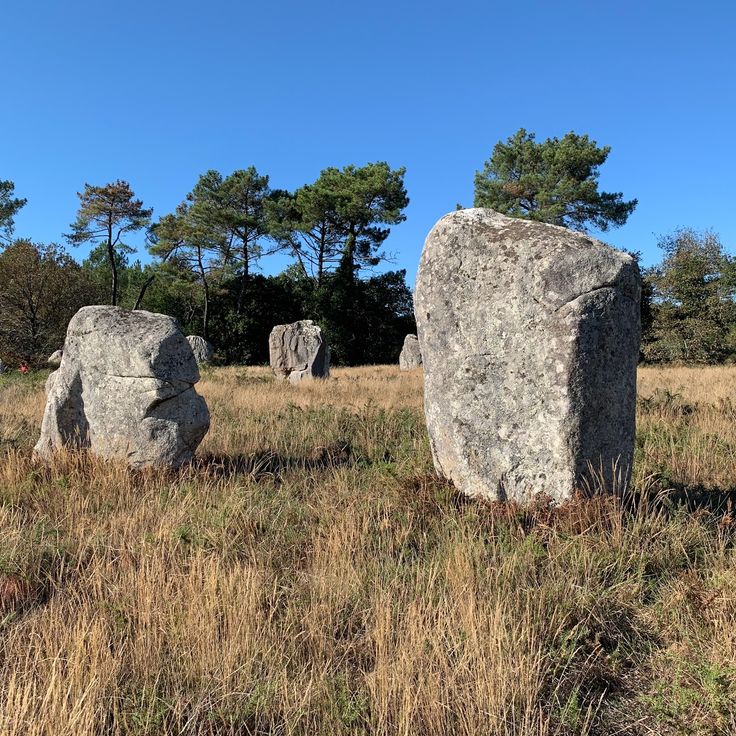
The Kerlescan alignments are part of Carnac's deep historical legacy. These rows of stones stretch across a large area and consist of more than 500 megaliths arranged in straight lines. They date back thousands of years to a time when people first settled this region. Walking between these ancient stones gives you a sense of how long humans have inhabited this place. The stones stand in a Breton coastal landscape where nature and history blend together. This site invites you to reflect on the people who placed these stones so long ago and what their communities looked like.
Ty Bihan Grand Plage is a long sandy beach in Carnac with gentle entry into the water. The pale sand stretches along the Breton coast in this town where prehistoric megaliths dominate the landscape. Visitors come here to swim and relax by the sea while remaining close to the ancient stone monuments that define Carnac. The shallow waters near the shore make it welcoming for families and swimmers of all levels.
The Pointe de Saint-Colomban in Carnac is a granite rock formation that extends into the sea and offers views of the Atlantic Ocean. This coastal point shows the rugged nature of the Breton coast, where rock and water meet. It is a place where visitors can experience the power of nature and enjoy views of the open sea. The granite formations here reflect the geological history of this coastal region.
Plage Men Du in Carnac sits within a landscape shaped by ancient megaliths spanning thousands of years. This beach merges prehistory with modern seaside life. The fine sand and clear water invite swimming, while nearby stand stone monuments left by ancient peoples. The shore stretches about 500 meters and provides direct access to the sea. Visitors can swim, walk along the water, and explore the remarkable archaeological sites scattered throughout the region.
The Mégalithes of Locmariaquer are among the most impressive remains of Carnac's prehistoric past. These stone rows contain more than 3000 upright stones and stretch across the landscape for considerable distances. They were erected thousands of years ago by the first inhabitants of this coastal region. Walking among these ancient stones gives a strong sense of how these early communities organized their sacred and burial spaces. Today, the site offers visitors a direct encounter with one of Europe's largest megalithic complexes.
The mill of Kermaux is a 16th-century windmill standing on a hilltop with views over the megalithic stones. It belongs to Carnac, a place whose history stretches back several thousand years. The mill shows how people lived and worked in this region. From this spot, visitors can see the old stone arrangements that shape the landscape. The mill connects the past with the present and tells the story of how this remarkable place developed over time.
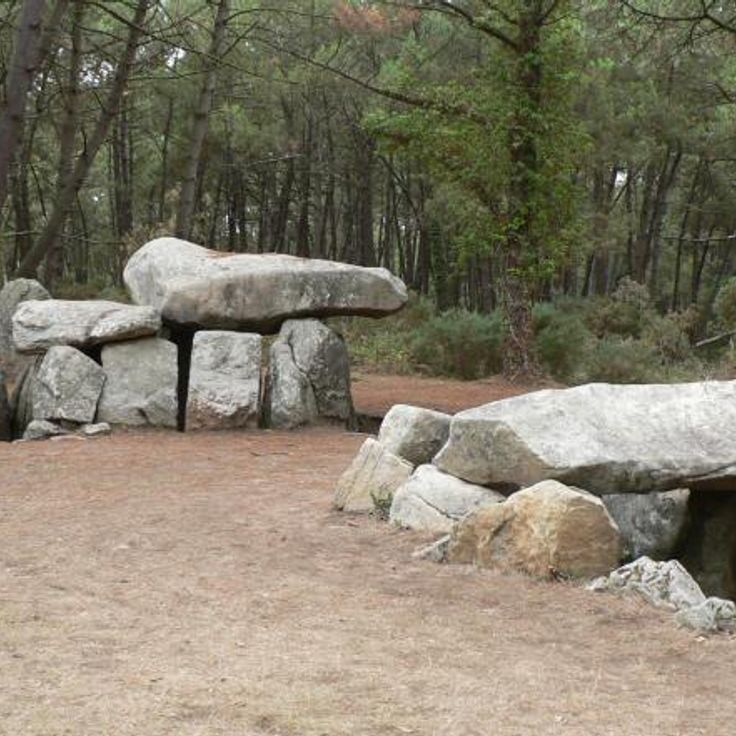
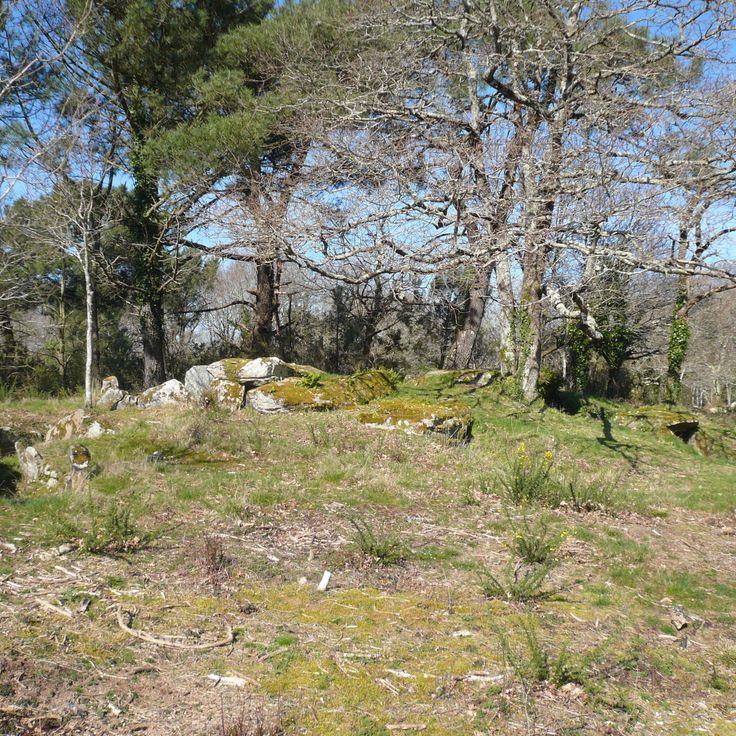
The Dolmen de Mane Kerioned in Carnac is a burial monument from the Stone Age with three chambers built around 6000 years ago. It shows how early people in this Breton region honored their dead. Oak and pine trees surround the structure, creating a quiet setting. You can see how large stones were carefully arranged to form lasting burial chambers. This dolmen tells the story of when people first settled here and built their communities.
The Beaumer beach in Carnac is a sandy stretch where the light becomes particularly beautiful in the evening. The beach extends along a good length and offers many spots for photography, especially when the sun sets. It lies in an area where beach life and ancient stone monuments coexist, making this place in Brittany quite special.
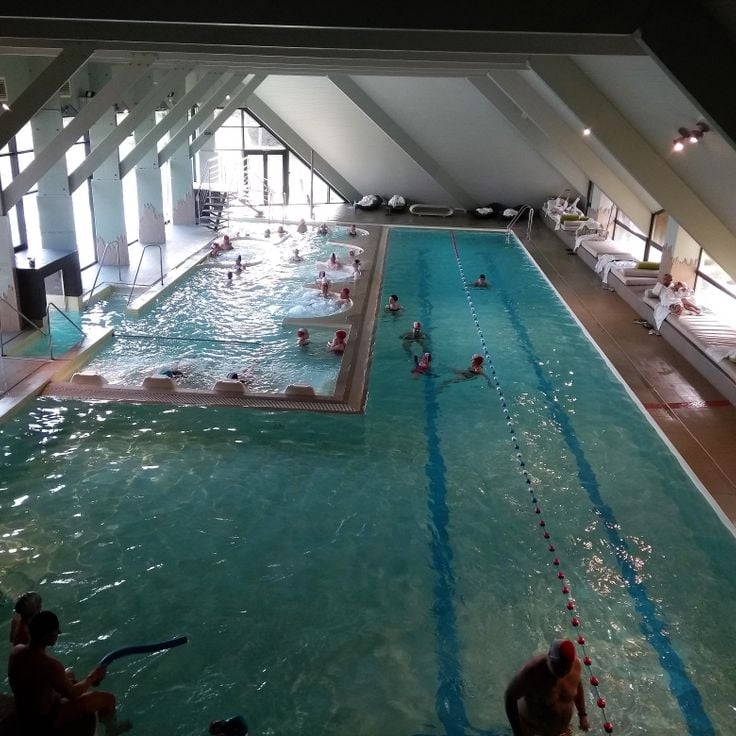
The Carnac Thalasso & Spa Resort is a wellness center in this prehistoric coastal town. The facility offers ocean views from its terrace and modern amenities featuring seawater treatments. Here, contemporary relaxation services blend with the setting of ancient stone monuments and beaches that define Carnac.
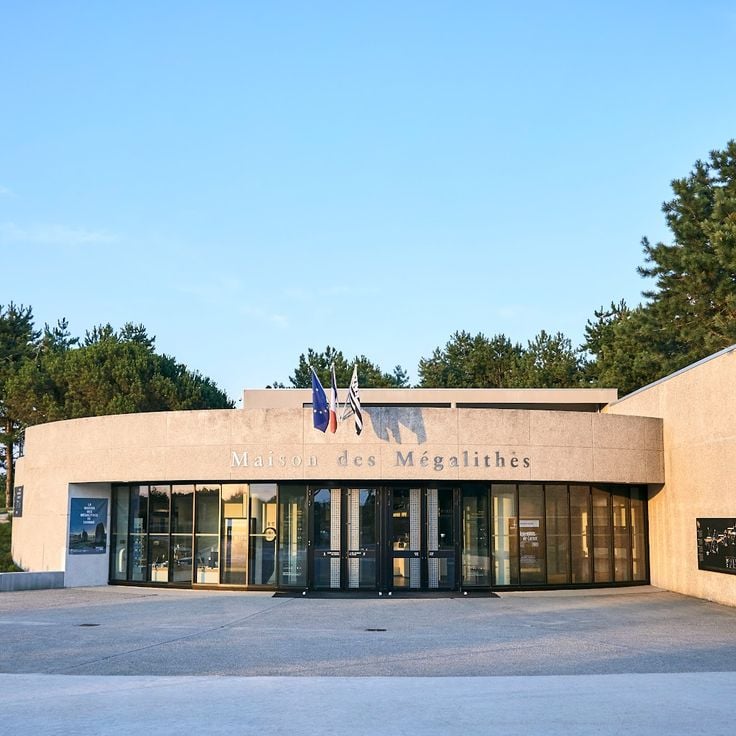
The Megalithic House Museum in Carnac displays archaeological finds and information about the prehistoric stone alignments that define this region. It helps visitors understand the history of the ancient stones scattered across the landscape. The museum explains how people lived here thousands of years ago and built these monumental structures. You can see artifacts and learn more about daily life in that distant time.
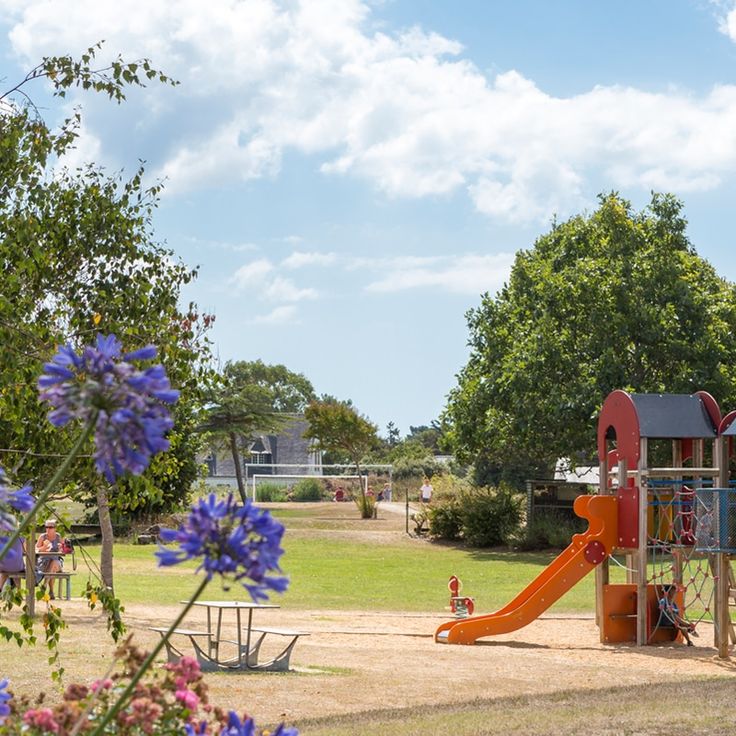
The Parc Césarine in Carnac is a public park with flower beds, pathways, and benches positioned to take in the views. It sits in a place where ancient stones and beaches meet, offering a spot to rest between exploring the prehistoric monuments and the Breton coast.
The Musée de Préhistoire James Miln - Zacharie Le Rouzel in Carnac displays the material world of people who lived in this region thousands of years ago. The collection includes stone tools, pottery vessels, and everyday objects from prehistoric communities. These items show how the inhabitants of Carnac lived, worked, and organized their societies. The museum connects the archaeological finds with the monumental stones scattered throughout the surrounding landscape.
The Petit Menec alignments are part of Carnac's megalithic monuments. These rows of stones consist of several hundred upright menhirs arranged across the landscape. They stand as evidence of the early populations who settled here thousands of years ago. These stones held significance for ancient cultures and continue to shape the visual character of Carnac with their silent presence throughout the countryside.
The port at La Trinité-sur-Mer is a working harbor on the Breton coast where sailors and boaters gather. With 500 moorings, this port accommodates vessels of all kinds. International sailing competitions depart from here, bringing athletes from around the world. The harbor connects the daily life of the sailing community with the maritime history of this coastal region. Boat houses and shipyards shape the landscape, while the port itself forms a link to the ancient trade routes and prehistoric settlement of the area.
The Pointe du Conguel at Carnac is a strip of land that extends far into the Atlantic Ocean. This place offers views of the sea and the coastline. You can walk here and watch the waves crash against the rocks. The plants are low and adapted to the wind. It is a place where you feel the power of the ocean and enjoy the expanse of water. This point is part of Carnac, where ancient stones and beaches exist side by side.
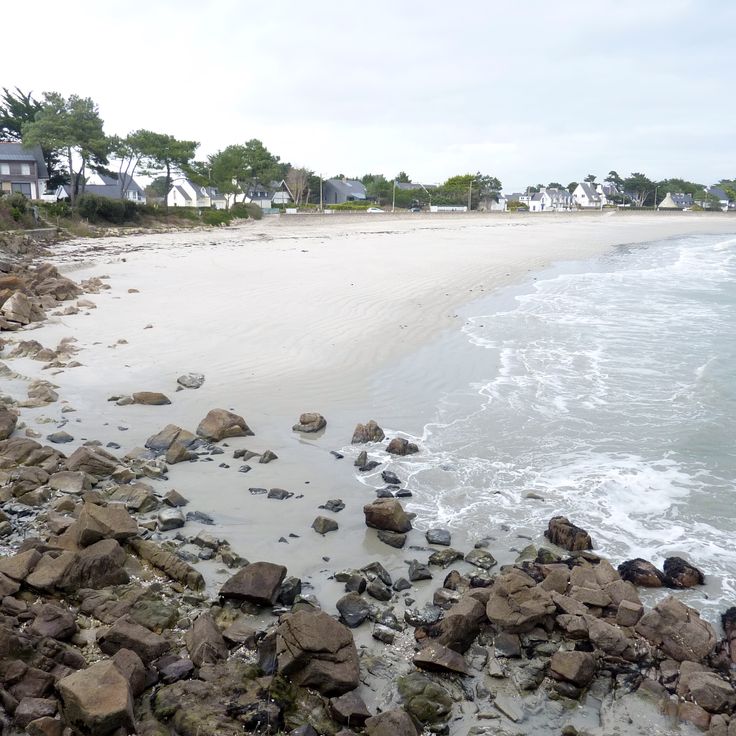
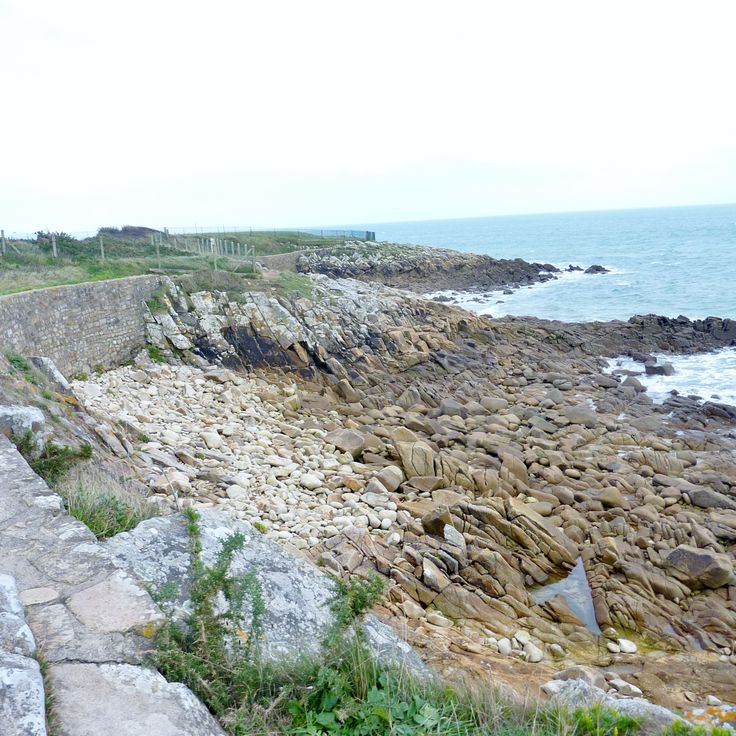
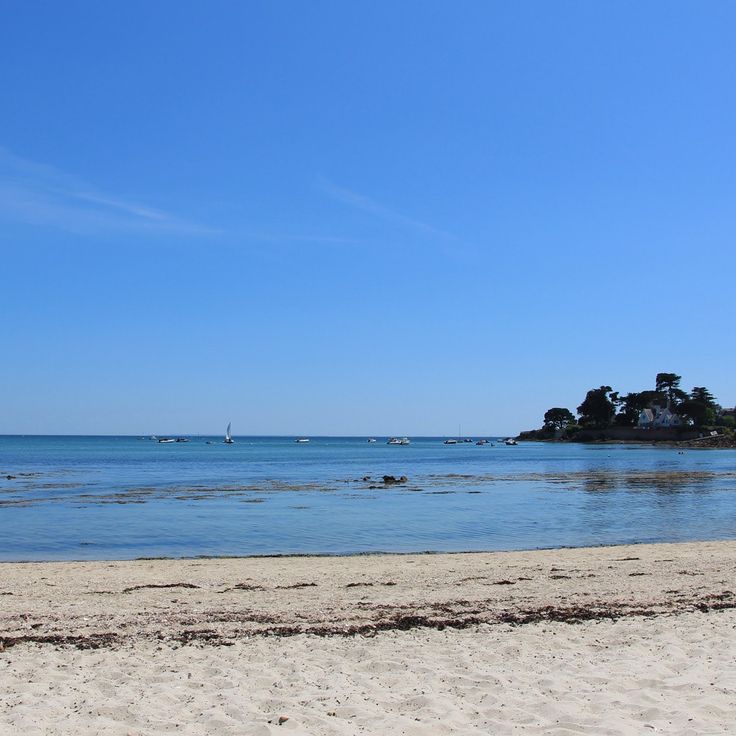
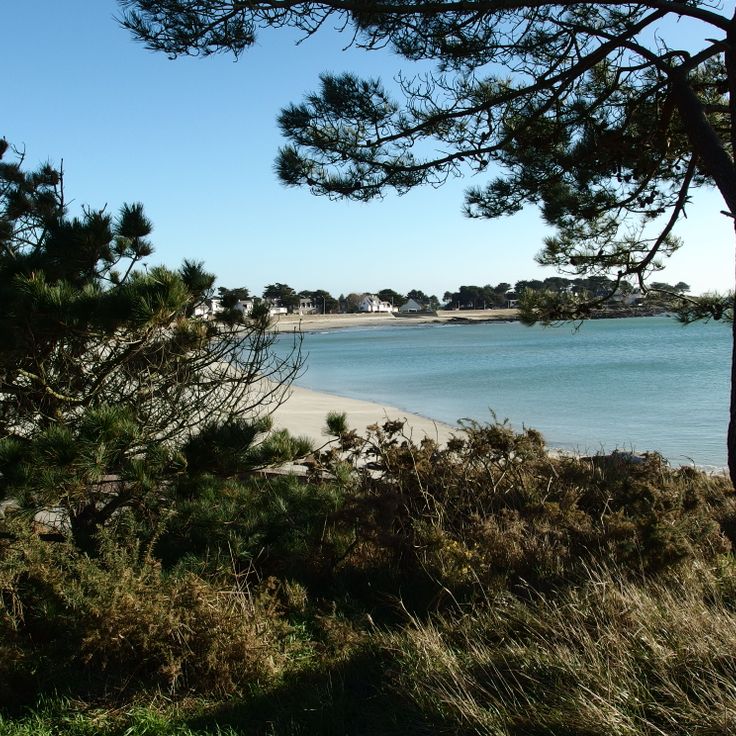
This small bay in Carnac sits along the Breton coast and offers clear views out toward the sea and open horizon. Rocky outcrops line the shoreline, giving the beach a natural, rugged character. The cove lies just steps from Carnac's ancient stone alignments and dolmens, making it a convenient place to combine a walk along the beach with exploration of the area's prehistoric monuments. The bay's open aspect and natural rock formations create a quiet spot for rest and observation.
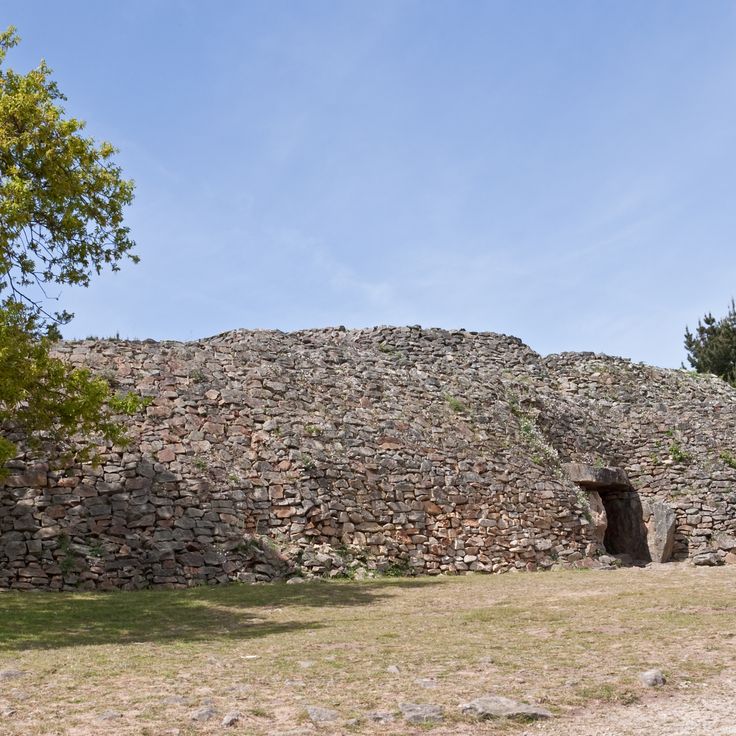
The Mané-Kervilor dolmen is a stone burial structure built in the 4th millennium before Christ. It consists of several large stone slabs stacked together to form a chamber. The entrance to this tomb faces south. The structure was designed to hold the remains of multiple people from a prehistoric community. Today, this monument stands near the coastal village of Carnac and offers a window into the lives of people who lived thousands of years ago.
The beach at Saint-Colomban is part of Carnac's coastal setting, where sand and rocky formations meet. The shore stretches for about 500 meters, combining fine sand with granite formations that rise from the water. This natural mixture of water, stone, and sand shows the character of the Breton coast, which frames the megalithic sites in this region. The place invites walks where history and nature exist side by side.
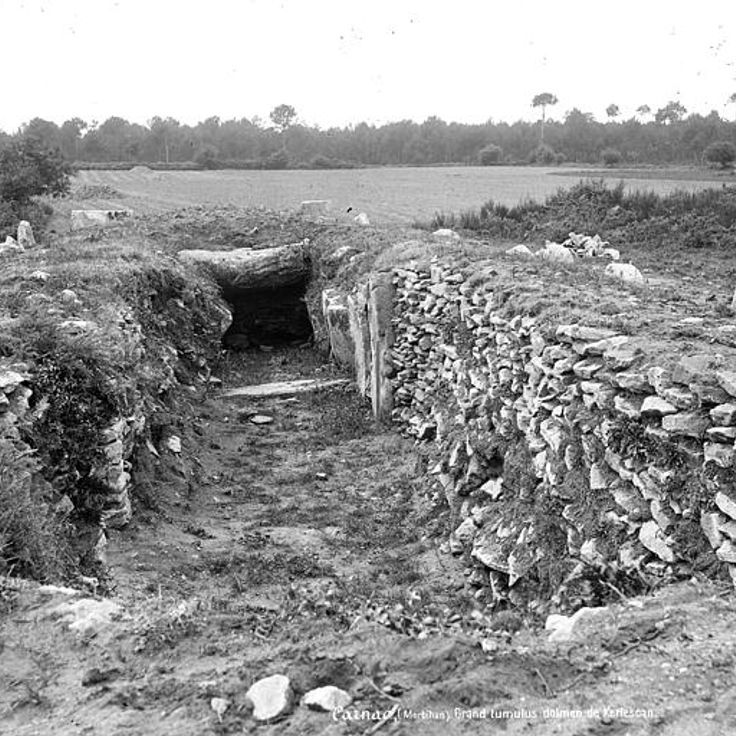
The Kerlescan covered alley in Carnac is a passage tomb from the Neolithic period. Built with standing stones and topped with stone slabs, this structure stretches about 15 meters in length. It represents how people lived and buried their dead thousands of years ago. Walking through this stone corridor, you experience the skill and effort these ancient builders put into constructing lasting monuments. The alley sits among other megalithic remains that make Carnac a place where prehistory is still visible in the landscape.
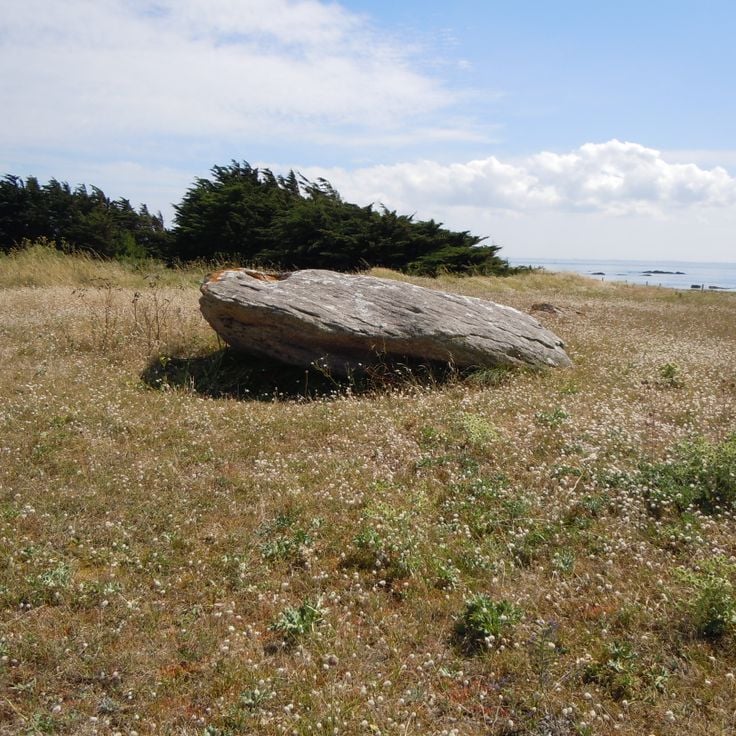
The Kerzerho Table is a megalithic structure in Erdeven made of a large stone slab. It stands in a field surrounded by prehistoric standing stones. This formation shows the long history of human settlement in this Breton region, where such monuments have shaped the landscape for thousands of years.
The beach of Sainte-Barbe in Carnac features fine sand backed by rolling dunes and stretches along the coast in a natural setting. This sandy shore offers a contrast to the ancient stone monuments found throughout the region. Windsurfers and kitesurf enthusiasts find good conditions here, while walkers enjoy the space between sea and land. The beach represents the modern side of Carnac, where coastal life exists alongside prehistoric heritage.
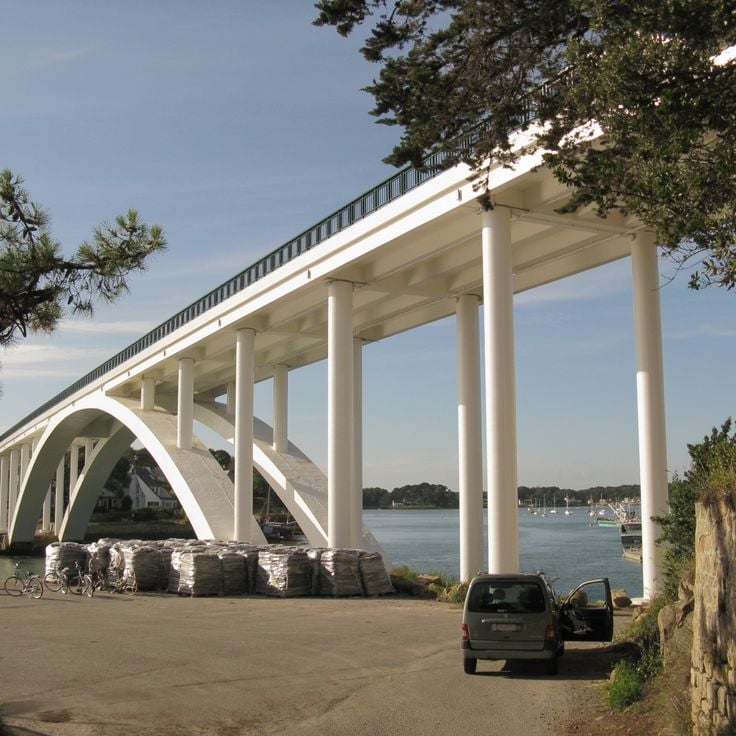
This modern concrete bridge in La Trinité-sur-Mer spans the marina and connects the two districts of the town. It relates to Carnac's long history, where prehistoric stone monuments still stand today. The bridge links the maritime present with the historic heritage of the Breton coast, where ancient megaliths and beaches tell a story spanning thousands of years. Crossing the harbor offers views of how life in this coastal community centers on the waterfront.
The Cairn of Gavrinis sits on a small island off the coast of Carnac. This burial monument dates from the Stone Age and was built around 5500 years ago. Inside is a burial chamber decorated with geometric patterns carved into the stone walls. These carvings reveal the artistic skill of the people who created this place. The Cairn of Gavrinis stands as one of Europe's oldest works of art and provides glimpses into the spiritual and daily life of prehistoric people.
These stone rows of Carnac contain more than 3000 standing stones from the Neolithic period, erected between 4500 and 2500 BCE. They stretch for several kilometers across the Breton landscape in parallel lines of varying heights. Archaeologists believe these arrangements served ritual or religious purposes for ancient communities. Walking among the stones, visitors can explore how people thousands of years ago organized this landscape. The setting remains largely natural, allowing the ancient character of the place to come through. The rows differ in their density and spacing, creating varied walking experiences as you move through the site. Local legends and ongoing research continue to add to the mystery of why these stones were placed so deliberately.
The Tumulus Saint-Michel is the largest mound of its kind in Europe, rising 10 meters high. In Carnac, this ancient burial monument from the Neolithic period holds items that were placed with the dead. From the top, you can see far across the surrounding landscape. The mound shows how important this place was for the early people who lived here and honored their dead with careful burials.
The Grande Plage of Carnac is a long stretch of sandy beach along the Breton coast. The water here is shallow and gentle, making it easy to swim and paddle. The sand is fine and light-colored, and the shoreline attracts families, walkers, and people looking for a quiet moment by the sea. On warm days, the beach fills with swimmers and sunbathers, while early mornings and late afternoons tend to be calmer. Along the beach, you find beach huts, casual restaurants, and shops selling local snacks. The rhythm of the day shapes the place - busy when the sun is high, peaceful as evening approaches. Beyond the sandy expanse, you can see the water stretching to the horizon, with occasional boats moving across it.
The Alignements du Ménec in Carnac represents one of the most significant neolithic stone arrangements in this historic location. Eleven rows of stones stretch across the landscape, created by ancient people whose purpose remains a subject of study. These standing stones are easy to visit on foot from the village, and their sheer number gives a sense of the effort and organization involved in their placement. Walking among the Alignements du Ménec connects you to thousands of years of human presence in this coastal Breton setting. This site helps explain why Carnac is known for its remarkable concentration of prehistoric monuments.
The Dolmen of Kermario in Carnac represents a direct connection to prehistoric times. This site contains several large stones arranged in deliberate rows, standing as monuments built by ancient inhabitants. Unlike the extensive stone alignments elsewhere in Carnac, this dolmen presents a more concentrated arrangement that draws visitors into an intimate exploration of the past. Walking among these stones gives a sense of the labor and planning that went into their placement. The location sits within Carnac's larger archaeological landscape, where the coastal setting complements the weight of these ancient remains.
Port en Dro in Carnac is a small fishing port located directly on the Breton coast. This harbor provides mooring spaces for boats and offers direct views across the Bay of Quiberon. The port is part of Carnac's story, where ancient megaliths and contemporary seaside life coexist. From this spot, visitors can venture onto the water while taking in the natural beauty that surrounds this historic region.
Légenèse Beach in Carnac is a wide sandy shore where visitors can swim, sunbathe, and enjoy water sports. The beach stretches along the coast and serves as a gathering place for both locals and travelers. Located in a region famous for its ancient stone monuments, this beach represents the modern side of Carnac, where prehistoric history meets contemporary seaside life. The sandy expanse offers a place to relax and take in the coastal landscape.
The Church of Saint-Cornély in Carnac is a 17th-century building that preserves the medieval history of the place. It combines Gothic and Romanesque architectural elements with a prominent bell tower that rises above the village. As the parish church of the settlement, it stands in contrast to the prehistoric stones that shape the landscape, showing how Carnac developed over the centuries. Visiting this church offers insight into the more recent history of the place after exploring the ancient megalithic monuments.
The Géant du Manio is a solitary standing stone in Carnac, notable for its height of about 6.5 meters (21 feet). It rises higher than any other stone in the Morbihan department. This menhir stands among Carnac's many prehistoric monuments, which date back thousands of years. It provides a glimpse into the megaliths that have shaped this Breton coastal landscape since ancient times.
The Kerlescan alignments are part of Carnac's deep historical legacy. These rows of stones stretch across a large area and consist of more than 500 megaliths arranged in straight lines. They date back thousands of years to a time when people first settled this region. Walking between these ancient stones gives you a sense of how long humans have inhabited this place. The stones stand in a Breton coastal landscape where nature and history blend together. This site invites you to reflect on the people who placed these stones so long ago and what their communities looked like.
Ty Bihan Grand Plage is a long sandy beach in Carnac with gentle entry into the water. The pale sand stretches along the Breton coast in this town where prehistoric megaliths dominate the landscape. Visitors come here to swim and relax by the sea while remaining close to the ancient stone monuments that define Carnac. The shallow waters near the shore make it welcoming for families and swimmers of all levels.
The Pointe de Saint-Colomban in Carnac is a granite rock formation that extends into the sea and offers views of the Atlantic Ocean. This coastal point shows the rugged nature of the Breton coast, where rock and water meet. It is a place where visitors can experience the power of nature and enjoy views of the open sea. The granite formations here reflect the geological history of this coastal region.
Plage Men Du in Carnac sits within a landscape shaped by ancient megaliths spanning thousands of years. This beach merges prehistory with modern seaside life. The fine sand and clear water invite swimming, while nearby stand stone monuments left by ancient peoples. The shore stretches about 500 meters and provides direct access to the sea. Visitors can swim, walk along the water, and explore the remarkable archaeological sites scattered throughout the region.
The Mégalithes of Locmariaquer are among the most impressive remains of Carnac's prehistoric past. These stone rows contain more than 3000 upright stones and stretch across the landscape for considerable distances. They were erected thousands of years ago by the first inhabitants of this coastal region. Walking among these ancient stones gives a strong sense of how these early communities organized their sacred and burial spaces. Today, the site offers visitors a direct encounter with one of Europe's largest megalithic complexes.
The mill of Kermaux is a 16th-century windmill standing on a hilltop with views over the megalithic stones. It belongs to Carnac, a place whose history stretches back several thousand years. The mill shows how people lived and worked in this region. From this spot, visitors can see the old stone arrangements that shape the landscape. The mill connects the past with the present and tells the story of how this remarkable place developed over time.
The Dolmen de Mane Kerioned in Carnac is a burial monument from the Stone Age with three chambers built around 6000 years ago. It shows how early people in this Breton region honored their dead. Oak and pine trees surround the structure, creating a quiet setting. You can see how large stones were carefully arranged to form lasting burial chambers. This dolmen tells the story of when people first settled here and built their communities.
The Beaumer beach in Carnac is a sandy stretch where the light becomes particularly beautiful in the evening. The beach extends along a good length and offers many spots for photography, especially when the sun sets. It lies in an area where beach life and ancient stone monuments coexist, making this place in Brittany quite special.
The Carnac Thalasso & Spa Resort is a wellness center in this prehistoric coastal town. The facility offers ocean views from its terrace and modern amenities featuring seawater treatments. Here, contemporary relaxation services blend with the setting of ancient stone monuments and beaches that define Carnac.
The Megalithic House Museum in Carnac displays archaeological finds and information about the prehistoric stone alignments that define this region. It helps visitors understand the history of the ancient stones scattered across the landscape. The museum explains how people lived here thousands of years ago and built these monumental structures. You can see artifacts and learn more about daily life in that distant time.
The Parc Césarine in Carnac is a public park with flower beds, pathways, and benches positioned to take in the views. It sits in a place where ancient stones and beaches meet, offering a spot to rest between exploring the prehistoric monuments and the Breton coast.
The Musée de Préhistoire James Miln - Zacharie Le Rouzel in Carnac displays the material world of people who lived in this region thousands of years ago. The collection includes stone tools, pottery vessels, and everyday objects from prehistoric communities. These items show how the inhabitants of Carnac lived, worked, and organized their societies. The museum connects the archaeological finds with the monumental stones scattered throughout the surrounding landscape.
The Petit Menec alignments are part of Carnac's megalithic monuments. These rows of stones consist of several hundred upright menhirs arranged across the landscape. They stand as evidence of the early populations who settled here thousands of years ago. These stones held significance for ancient cultures and continue to shape the visual character of Carnac with their silent presence throughout the countryside.
The port at La Trinité-sur-Mer is a working harbor on the Breton coast where sailors and boaters gather. With 500 moorings, this port accommodates vessels of all kinds. International sailing competitions depart from here, bringing athletes from around the world. The harbor connects the daily life of the sailing community with the maritime history of this coastal region. Boat houses and shipyards shape the landscape, while the port itself forms a link to the ancient trade routes and prehistoric settlement of the area.
The Pointe du Conguel at Carnac is a strip of land that extends far into the Atlantic Ocean. This place offers views of the sea and the coastline. You can walk here and watch the waves crash against the rocks. The plants are low and adapted to the wind. It is a place where you feel the power of the ocean and enjoy the expanse of water. This point is part of Carnac, where ancient stones and beaches exist side by side.
This small bay in Carnac sits along the Breton coast and offers clear views out toward the sea and open horizon. Rocky outcrops line the shoreline, giving the beach a natural, rugged character. The cove lies just steps from Carnac's ancient stone alignments and dolmens, making it a convenient place to combine a walk along the beach with exploration of the area's prehistoric monuments. The bay's open aspect and natural rock formations create a quiet spot for rest and observation.
The Mané-Kervilor dolmen is a stone burial structure built in the 4th millennium before Christ. It consists of several large stone slabs stacked together to form a chamber. The entrance to this tomb faces south. The structure was designed to hold the remains of multiple people from a prehistoric community. Today, this monument stands near the coastal village of Carnac and offers a window into the lives of people who lived thousands of years ago.
The beach at Saint-Colomban is part of Carnac's coastal setting, where sand and rocky formations meet. The shore stretches for about 500 meters, combining fine sand with granite formations that rise from the water. This natural mixture of water, stone, and sand shows the character of the Breton coast, which frames the megalithic sites in this region. The place invites walks where history and nature exist side by side.
The Kerlescan covered alley in Carnac is a passage tomb from the Neolithic period. Built with standing stones and topped with stone slabs, this structure stretches about 15 meters in length. It represents how people lived and buried their dead thousands of years ago. Walking through this stone corridor, you experience the skill and effort these ancient builders put into constructing lasting monuments. The alley sits among other megalithic remains that make Carnac a place where prehistory is still visible in the landscape.
The Kerzerho Table is a megalithic structure in Erdeven made of a large stone slab. It stands in a field surrounded by prehistoric standing stones. This formation shows the long history of human settlement in this Breton region, where such monuments have shaped the landscape for thousands of years.
The beach of Sainte-Barbe in Carnac features fine sand backed by rolling dunes and stretches along the coast in a natural setting. This sandy shore offers a contrast to the ancient stone monuments found throughout the region. Windsurfers and kitesurf enthusiasts find good conditions here, while walkers enjoy the space between sea and land. The beach represents the modern side of Carnac, where coastal life exists alongside prehistoric heritage.
This modern concrete bridge in La Trinité-sur-Mer spans the marina and connects the two districts of the town. It relates to Carnac's long history, where prehistoric stone monuments still stand today. The bridge links the maritime present with the historic heritage of the Breton coast, where ancient megaliths and beaches tell a story spanning thousands of years. Crossing the harbor offers views of how life in this coastal community centers on the waterfront.
The Cairn of Gavrinis sits on a small island off the coast of Carnac. This burial monument dates from the Stone Age and was built around 5500 years ago. Inside is a burial chamber decorated with geometric patterns carved into the stone walls. These carvings reveal the artistic skill of the people who created this place. The Cairn of Gavrinis stands as one of Europe's oldest works of art and provides glimpses into the spiritual and daily life of prehistoric people.
These stone rows of Carnac contain more than 3000 standing stones from the Neolithic period, erected between 4500 and 2500 BCE. They stretch for several kilometers across the Breton landscape in parallel lines of varying heights. Archaeologists believe these arrangements served ritual or religious purposes for ancient communities. Walking among the stones, visitors can explore how people thousands of years ago organized this landscape. The setting remains largely natural, allowing the ancient character of the place to come through. The rows differ in their density and spacing, creating varied walking experiences as you move through the site. Local legends and ongoing research continue to add to the mystery of why these stones were placed so deliberately.
The Tumulus Saint-Michel is the largest mound of its kind in Europe, rising 10 meters high. In Carnac, this ancient burial monument from the Neolithic period holds items that were placed with the dead. From the top, you can see far across the surrounding landscape. The mound shows how important this place was for the early people who lived here and honored their dead with careful burials.
The Grande Plage of Carnac is a long stretch of sandy beach along the Breton coast. The water here is shallow and gentle, making it easy to swim and paddle. The sand is fine and light-colored, and the shoreline attracts families, walkers, and people looking for a quiet moment by the sea. On warm days, the beach fills with swimmers and sunbathers, while early mornings and late afternoons tend to be calmer. Along the beach, you find beach huts, casual restaurants, and shops selling local snacks. The rhythm of the day shapes the place - busy when the sun is high, peaceful as evening approaches. Beyond the sandy expanse, you can see the water stretching to the horizon, with occasional boats moving across it.
The Alignements du Ménec in Carnac represents one of the most significant neolithic stone arrangements in this historic location. Eleven rows of stones stretch across the landscape, created by ancient people whose purpose remains a subject of study. These standing stones are easy to visit on foot from the village, and their sheer number gives a sense of the effort and organization involved in their placement. Walking among the Alignements du Ménec connects you to thousands of years of human presence in this coastal Breton setting. This site helps explain why Carnac is known for its remarkable concentration of prehistoric monuments.
The Dolmen of Kermario in Carnac represents a direct connection to prehistoric times. This site contains several large stones arranged in deliberate rows, standing as monuments built by ancient inhabitants. Unlike the extensive stone alignments elsewhere in Carnac, this dolmen presents a more concentrated arrangement that draws visitors into an intimate exploration of the past. Walking among these stones gives a sense of the labor and planning that went into their placement. The location sits within Carnac's larger archaeological landscape, where the coastal setting complements the weight of these ancient remains.
Port en Dro in Carnac is a small fishing port located directly on the Breton coast. This harbor provides mooring spaces for boats and offers direct views across the Bay of Quiberon. The port is part of Carnac's story, where ancient megaliths and contemporary seaside life coexist. From this spot, visitors can venture onto the water while taking in the natural beauty that surrounds this historic region.
Légenèse Beach in Carnac is a wide sandy shore where visitors can swim, sunbathe, and enjoy water sports. The beach stretches along the coast and serves as a gathering place for both locals and travelers. Located in a region famous for its ancient stone monuments, this beach represents the modern side of Carnac, where prehistoric history meets contemporary seaside life. The sandy expanse offers a place to relax and take in the coastal landscape.
The Church of Saint-Cornély in Carnac is a 17th-century building that preserves the medieval history of the place. It combines Gothic and Romanesque architectural elements with a prominent bell tower that rises above the village. As the parish church of the settlement, it stands in contrast to the prehistoric stones that shape the landscape, showing how Carnac developed over the centuries. Visiting this church offers insight into the more recent history of the place after exploring the ancient megalithic monuments.
The Géant du Manio is a solitary standing stone in Carnac, notable for its height of about 6.5 meters (21 feet). It rises higher than any other stone in the Morbihan department. This menhir stands among Carnac's many prehistoric monuments, which date back thousands of years. It provides a glimpse into the megaliths that have shaped this Breton coastal landscape since ancient times.
The Kerlescan alignments are part of Carnac's deep historical legacy. These rows of stones stretch across a large area and consist of more than 500 megaliths arranged in straight lines. They date back thousands of years to a time when people first settled this region. Walking between these ancient stones gives you a sense of how long humans have inhabited this place. The stones stand in a Breton coastal landscape where nature and history blend together. This site invites you to reflect on the people who placed these stones so long ago and what their communities looked like.
Ty Bihan Grand Plage is a long sandy beach in Carnac with gentle entry into the water. The pale sand stretches along the Breton coast in this town where prehistoric megaliths dominate the landscape. Visitors come here to swim and relax by the sea while remaining close to the ancient stone monuments that define Carnac. The shallow waters near the shore make it welcoming for families and swimmers of all levels.
The Pointe de Saint-Colomban in Carnac is a granite rock formation that extends into the sea and offers views of the Atlantic Ocean. This coastal point shows the rugged nature of the Breton coast, where rock and water meet. It is a place where visitors can experience the power of nature and enjoy views of the open sea. The granite formations here reflect the geological history of this coastal region.
Plage Men Du in Carnac sits within a landscape shaped by ancient megaliths spanning thousands of years. This beach merges prehistory with modern seaside life. The fine sand and clear water invite swimming, while nearby stand stone monuments left by ancient peoples. The shore stretches about 500 meters and provides direct access to the sea. Visitors can swim, walk along the water, and explore the remarkable archaeological sites scattered throughout the region.
The Mégalithes of Locmariaquer are among the most impressive remains of Carnac's prehistoric past. These stone rows contain more than 3000 upright stones and stretch across the landscape for considerable distances. They were erected thousands of years ago by the first inhabitants of this coastal region. Walking among these ancient stones gives a strong sense of how these early communities organized their sacred and burial spaces. Today, the site offers visitors a direct encounter with one of Europe's largest megalithic complexes.
The mill of Kermaux is a 16th-century windmill standing on a hilltop with views over the megalithic stones. It belongs to Carnac, a place whose history stretches back several thousand years. The mill shows how people lived and worked in this region. From this spot, visitors can see the old stone arrangements that shape the landscape. The mill connects the past with the present and tells the story of how this remarkable place developed over time.
The Dolmen de Mane Kerioned in Carnac is a burial monument from the Stone Age with three chambers built around 6000 years ago. It shows how early people in this Breton region honored their dead. Oak and pine trees surround the structure, creating a quiet setting. You can see how large stones were carefully arranged to form lasting burial chambers. This dolmen tells the story of when people first settled here and built their communities.
The Beaumer beach in Carnac is a sandy stretch where the light becomes particularly beautiful in the evening. The beach extends along a good length and offers many spots for photography, especially when the sun sets. It lies in an area where beach life and ancient stone monuments coexist, making this place in Brittany quite special.
The Carnac Thalasso & Spa Resort is a wellness center in this prehistoric coastal town. The facility offers ocean views from its terrace and modern amenities featuring seawater treatments. Here, contemporary relaxation services blend with the setting of ancient stone monuments and beaches that define Carnac.
The Megalithic House Museum in Carnac displays archaeological finds and information about the prehistoric stone alignments that define this region. It helps visitors understand the history of the ancient stones scattered across the landscape. The museum explains how people lived here thousands of years ago and built these monumental structures. You can see artifacts and learn more about daily life in that distant time.
The Parc Césarine in Carnac is a public park with flower beds, pathways, and benches positioned to take in the views. It sits in a place where ancient stones and beaches meet, offering a spot to rest between exploring the prehistoric monuments and the Breton coast.
The Musée de Préhistoire James Miln - Zacharie Le Rouzel in Carnac displays the material world of people who lived in this region thousands of years ago. The collection includes stone tools, pottery vessels, and everyday objects from prehistoric communities. These items show how the inhabitants of Carnac lived, worked, and organized their societies. The museum connects the archaeological finds with the monumental stones scattered throughout the surrounding landscape.
The Petit Menec alignments are part of Carnac's megalithic monuments. These rows of stones consist of several hundred upright menhirs arranged across the landscape. They stand as evidence of the early populations who settled here thousands of years ago. These stones held significance for ancient cultures and continue to shape the visual character of Carnac with their silent presence throughout the countryside.
The port at La Trinité-sur-Mer is a working harbor on the Breton coast where sailors and boaters gather. With 500 moorings, this port accommodates vessels of all kinds. International sailing competitions depart from here, bringing athletes from around the world. The harbor connects the daily life of the sailing community with the maritime history of this coastal region. Boat houses and shipyards shape the landscape, while the port itself forms a link to the ancient trade routes and prehistoric settlement of the area.
The Pointe du Conguel at Carnac is a strip of land that extends far into the Atlantic Ocean. This place offers views of the sea and the coastline. You can walk here and watch the waves crash against the rocks. The plants are low and adapted to the wind. It is a place where you feel the power of the ocean and enjoy the expanse of water. This point is part of Carnac, where ancient stones and beaches exist side by side.
This small bay in Carnac sits along the Breton coast and offers clear views out toward the sea and open horizon. Rocky outcrops line the shoreline, giving the beach a natural, rugged character. The cove lies just steps from Carnac's ancient stone alignments and dolmens, making it a convenient place to combine a walk along the beach with exploration of the area's prehistoric monuments. The bay's open aspect and natural rock formations create a quiet spot for rest and observation.
The Mané-Kervilor dolmen is a stone burial structure built in the 4th millennium before Christ. It consists of several large stone slabs stacked together to form a chamber. The entrance to this tomb faces south. The structure was designed to hold the remains of multiple people from a prehistoric community. Today, this monument stands near the coastal village of Carnac and offers a window into the lives of people who lived thousands of years ago.
The beach at Saint-Colomban is part of Carnac's coastal setting, where sand and rocky formations meet. The shore stretches for about 500 meters, combining fine sand with granite formations that rise from the water. This natural mixture of water, stone, and sand shows the character of the Breton coast, which frames the megalithic sites in this region. The place invites walks where history and nature exist side by side.
The Kerlescan covered alley in Carnac is a passage tomb from the Neolithic period. Built with standing stones and topped with stone slabs, this structure stretches about 15 meters in length. It represents how people lived and buried their dead thousands of years ago. Walking through this stone corridor, you experience the skill and effort these ancient builders put into constructing lasting monuments. The alley sits among other megalithic remains that make Carnac a place where prehistory is still visible in the landscape.
The Kerzerho Table is a megalithic structure in Erdeven made of a large stone slab. It stands in a field surrounded by prehistoric standing stones. This formation shows the long history of human settlement in this Breton region, where such monuments have shaped the landscape for thousands of years.
The beach of Sainte-Barbe in Carnac features fine sand backed by rolling dunes and stretches along the coast in a natural setting. This sandy shore offers a contrast to the ancient stone monuments found throughout the region. Windsurfers and kitesurf enthusiasts find good conditions here, while walkers enjoy the space between sea and land. The beach represents the modern side of Carnac, where coastal life exists alongside prehistoric heritage.
This modern concrete bridge in La Trinité-sur-Mer spans the marina and connects the two districts of the town. It relates to Carnac's long history, where prehistoric stone monuments still stand today. The bridge links the maritime present with the historic heritage of the Breton coast, where ancient megaliths and beaches tell a story spanning thousands of years. Crossing the harbor offers views of how life in this coastal community centers on the waterfront.
The Cairn of Gavrinis sits on a small island off the coast of Carnac. This burial monument dates from the Stone Age and was built around 5500 years ago. Inside is a burial chamber decorated with geometric patterns carved into the stone walls. These carvings reveal the artistic skill of the people who created this place. The Cairn of Gavrinis stands as one of Europe's oldest works of art and provides glimpses into the spiritual and daily life of prehistoric people.