Musée d'Histoire Naturelle de Lille, Natural history museum in Lille, France
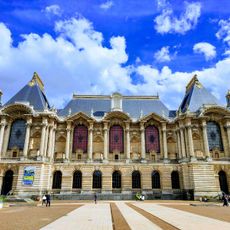
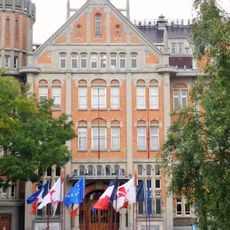
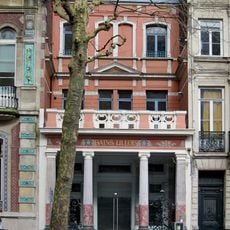
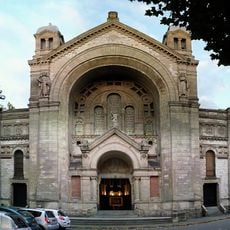
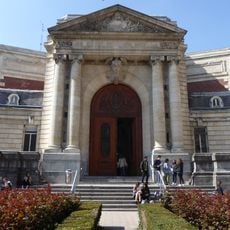
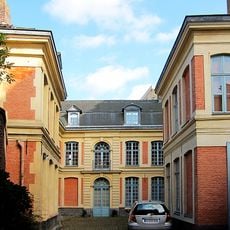
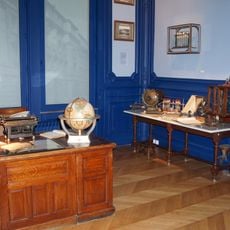
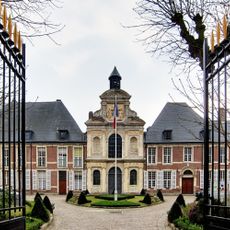
The Musée d'Histoire Naturelle de Lille is a natural history museum housed in a classical building displaying animal specimens, plant collections, minerals, and ethnographic objects. The exhibitions spread across multiple halls where these items are arranged systematically by scientific topics.
The Société des sciences, de l'agriculture et des arts de Lille founded the museum in 1816 to open its zoological collections to the public; it was inaugurated in 1822 in the former Hôtel de Ville at Palais Rihour. In 1855 the collection was given to the city for teaching when the Faculté des sciences was created. The present building on rue de Bruxelles, finished in 1894 and opened in 1895, also housed geology, zoology and botany laboratories.
The museum grew out of the Société des sciences, de l'agriculture et des arts de Lille, founded in 1802, whose collections included a large insect collection and a mounted royal tiger that impressed local visitors. Early tourist guides recommended seeing the birds, the tiger and the taxidermied fish. Since 1990 the ethnographic and industrial collections have been shown in temporary exhibitions because of lack of space.
The museum is located downtown and easy to reach on foot, with clearly marked entrances. Visitors should know that different exhibition areas may have varying opening times, so checking current information upon arrival is helpful.
In 2003 the museum bought 611 Brazilian objects to secure a five-year loan for a Year of Brazil exhibition, then donated them to the Museu do Índio in Rio de Janeiro. When the loan was not renewed, the Museu do Índio demanded them back and the museum refused. After a legal battle of more than a decade, the objects were set to be returned in 2023, with Brazil paying the transport costs.
The community of curious travelers
AroundUs brings together thousands of curated places, local tips, and hidden gems, enriched daily by 93,862 contributors worldwide.