Musée de l'Institut Pasteur de Lille, Science museum at Institut Pasteur, Lille, France
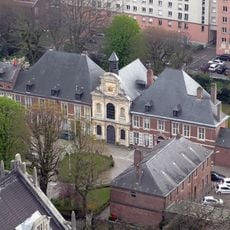
The museum at Institut Pasteur de Lille is a science exhibition in the city with rooms that display medical equipment and research results. The exhibition presents the work conducted in this institute's laboratories, with focus on vaccine development and other breakthroughs.
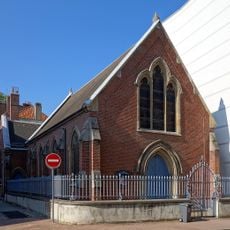
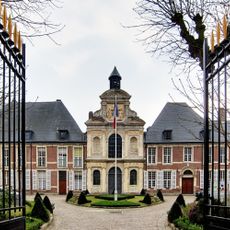
The museum opened in the 1970s in the dispensary that received tuberculosis patients, showing Pasteur's early work on yeasts and the development of the BCG vaccine by Camille Guérin and Albert Calmette. In 2017 it moved into Calmette's former apartments, where a new display also covers research now carried out on the Institut Pasteur de Lille campus.
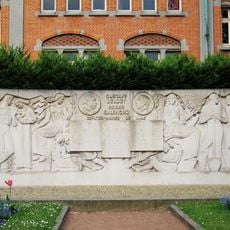
The museum bears the names of Louis Pasteur, Camille Guérin and Albert Calmette, whose work in Lille is presented alongside current research at the Institut Pasteur de Lille. Since 2017 it occupies Calmette's former apartments, and the displays link the BCG vaccine developed by Guérin and Calmette to today's campus laboratories.
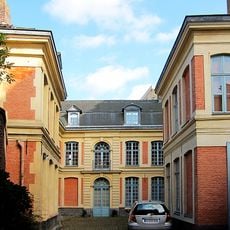
Since 2017 the museum occupies Albert Calmette's former apartments, so visitors move through domestic rooms rather than a purpose-built gallery; the 1970s museum was housed in a dispensary for tuberculosis patients. Check the Institut Pasteur de Lille's own site for visiting arrangements before travelling, as access is organised through the institute.
The museum opened in the 1970s in the dispensary that received tuberculosis patients, and moved in 2017 into Albert Calmette's former apartments. The room shown has deep blue panelled walls, a wooden desk with a globe and black typewriter, and a long table with a brass microscope and glass slides.
The community of curious travelers
AroundUs brings together thousands of curated places, local tips, and hidden gems, enriched daily by 92,996 contributors worldwide.