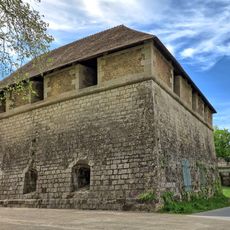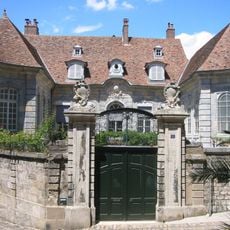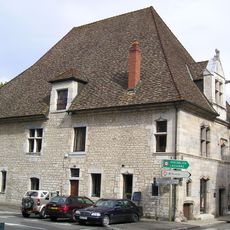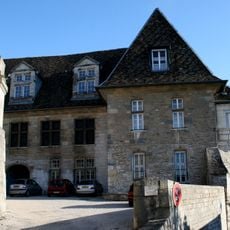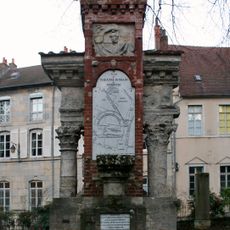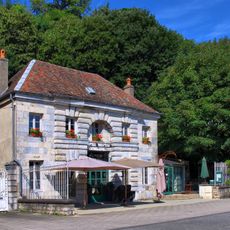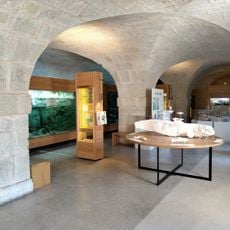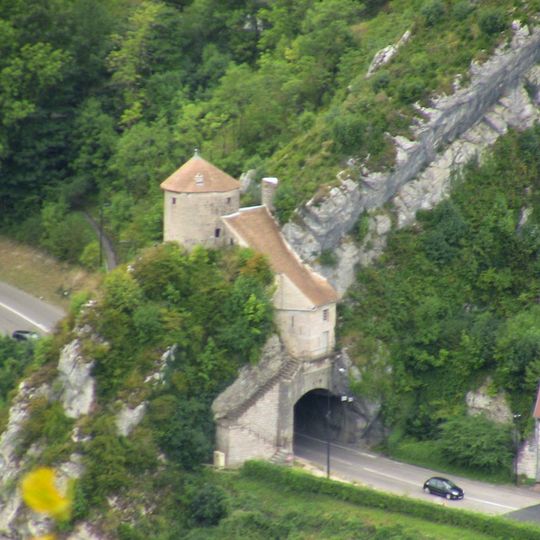
Porte taillée, Roman tunnel and city gate in Besançon, France
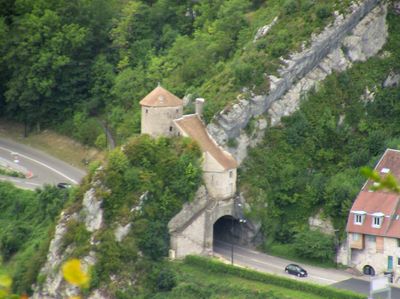
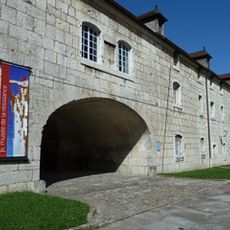
Porte Taillée is a passage cut directly through rock, serving as a Roman city gate that linked different parts of the settlement. The tunnel connects two sides of a ridge and demonstrates the precision needed to carve such a route through solid stone.
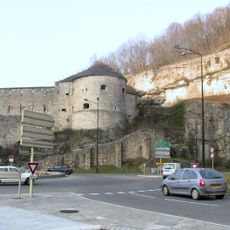
The gate was built in the 2nd century as Romans expanded and fortified their settlement of Vesontio. In the 16th century, French military engineer Vauban reinforced it and added new defensive structures to modernize its role.
The gate shows how Romans secured their city and controlled movement through key points. For people at that time, passing through this carved passage was part of everyday travel in and out of the settlement.
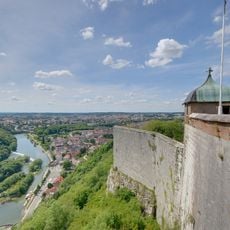
The gate lies beneath the Citadel of Besançon and is accessible on foot when exploring the central area. A visit usually works well as part of a walking tour through the city's older quarters.
The name Porte Taillée literally means cut gate, referring directly to how the rock was removed to create the passage. This technique is noteworthy because most Roman structures were built through masonry rather than carved from solid stone.
The community of curious travelers
AroundUs brings together thousands of curated places, local tips, and hidden gems, enriched daily by 60,000 contributors worldwide.