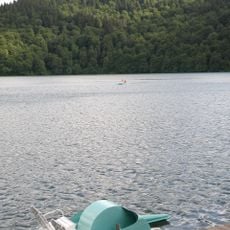
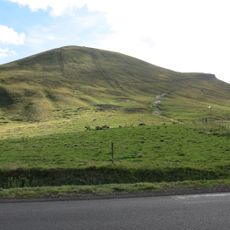
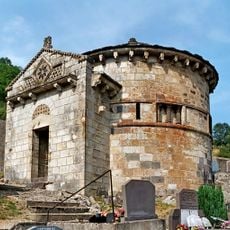
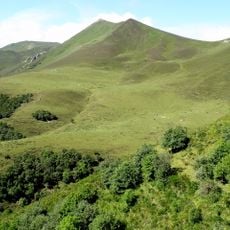
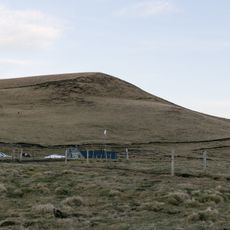
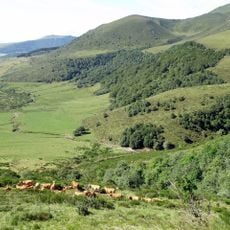
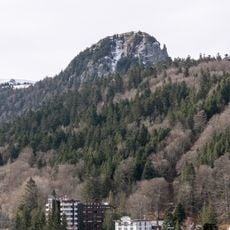
Vallée de Chaudefour, Nature reserve in Chambon-sur-Lac, France.
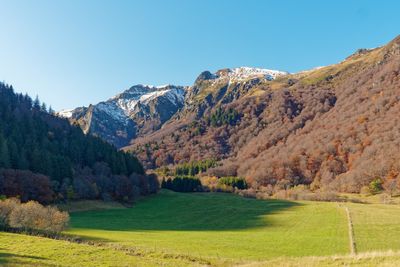
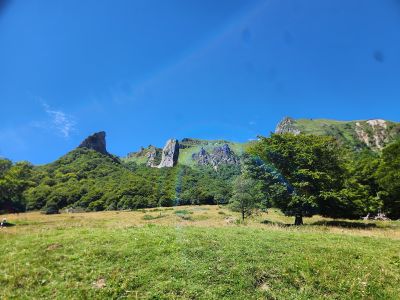
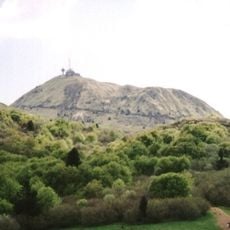
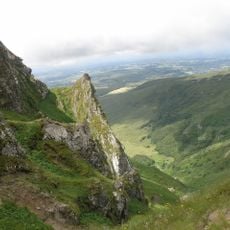
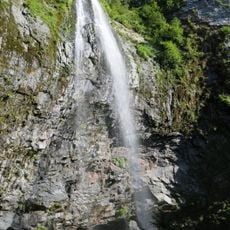
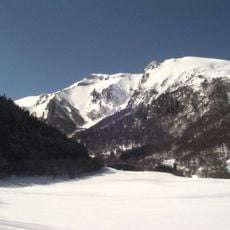
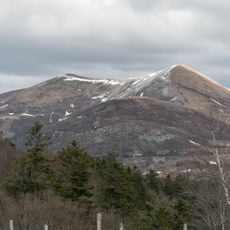
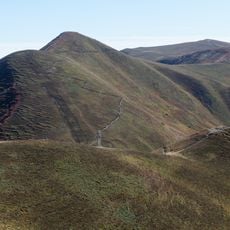
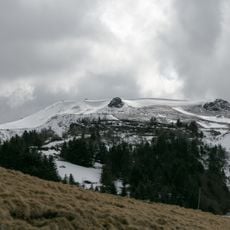
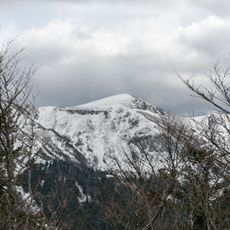
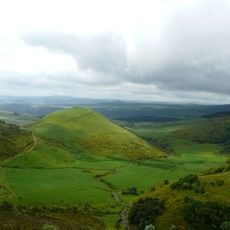
Vallée de Chaudefour is a national nature reserve of 820 ha in the Monts Dore, on the commune of Chambon-sur-Lac. A violent eruption of the Sancy massif 600,000 years ago caused a lateral collapse, and some thirty volcanic edifices, including the Dent de la Rancune, form the crests. Glacial erosion gave the valley its trough shape, and torrents later exposed lava needles and dykes. The floor holds grazed and mown meadows, the slopes beech woods.
This reserve was officially designated in 1991 under joint management to protect the mountain landscape and its ecological value. The decision reflected growing recognition that such natural areas needed formal protection for the future.
The valley supports rare plant species like the Auvergne Jasione and diverse wildlife that have shaped how locals view this mountain region. Walking through the protected terrain, visitors encounter an environment that people here have learned to value and protect over decades.
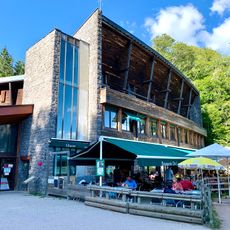
The area is accessible on foot with marked hiking trails of varying difficulty winding through the mountain terrain. A visitor center provides seasonal information and displays, especially during warmer months when access is easiest.
The Russian painter Konstantine Savitski, a member of the Peredvizhniki from 1874, travelled through Auvergne in 1872 and painted a canvas now held at the Russian Museum in Saint Petersburg that most likely shows the Chaudefour valley. The reserve also counts 361 recorded fungus species and an endemic subspecies of the Apollo butterfly.
The community of curious travelers
AroundUs brings together thousands of curated places, local tips, and hidden gems, enriched daily by 92,953 contributors worldwide.