Aiguilles Rouges National Nature Reserve, Nature reserve in Chamonix-Mont-Blanc and Vallorcine, France.
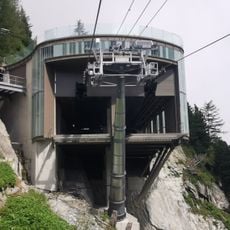
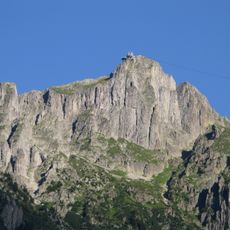
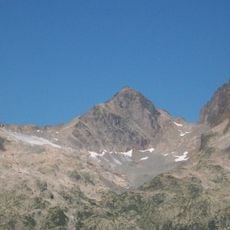
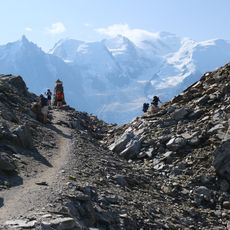
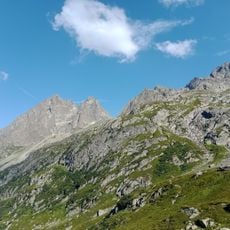
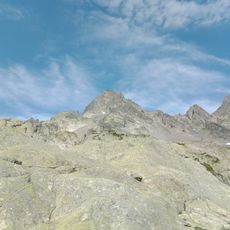
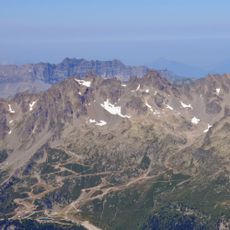
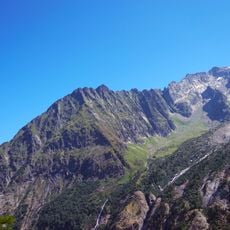
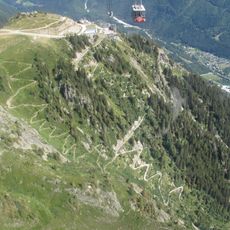
The Aiguilles Rouges National Nature Reserve (RNN18) covers 3,276 hectares of the Aiguilles Rouges massif, north of the Chamonix valley in Haute-Savoie. It has two sectors: the north-east end above Argentière and the western part from the Aiguille de Salenton to the Brévent. Its terrain rises from about 1,461 m at the Col des Montets to the Brévent at 2,525 m, with the Lac Blanc, Lacs Noirs, Lac Cornu and Lac du Brévent within its boundaries.
In 1968 the Aiguilles Rouges massif became a game reserve, and a small reserve had already been set up above Argentière in the 1960s. The priest Jean Eyheralde and the geologist Yvonne Gubler pushed for an alpine observation site at the Creux de la Varde; after its chairlift accident, the Col des Montets was chosen, and Chamonix-Mont-Blanc and Vallorcine created the intercommunal reserve there in 1971 with support from Maurice Herzog. A ministerial decree of 23 August 1974 established the national nature reserve over 3,276 hectares; a 2010 decree reclassified it after a procedural flaw.
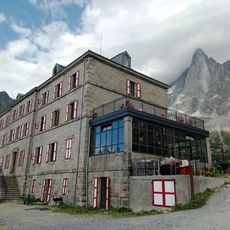
The information center at Col des Montets presents exhibits about alpine ecosystems and their characteristics. Visitors can learn how plants and animals adapt to the harsh mountain environment across different elevations.
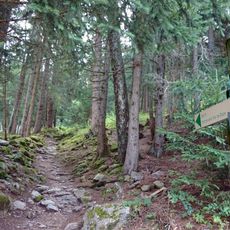
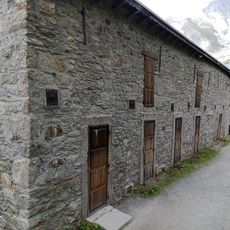
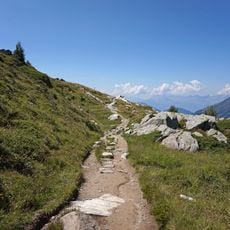
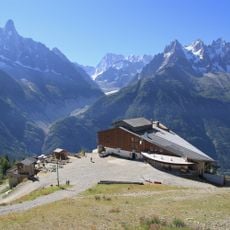
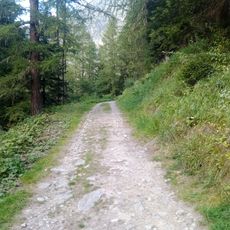
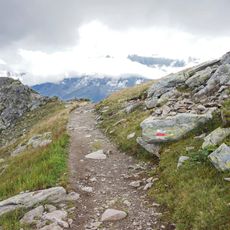
The reception chalet at the Col des Montets is open from 1 June to 15 September, with free entry, a drinks counter and a shop. From there a discovery trail of 1 to 3 km, without difficulty, is open even to non-hikers. Dogs are banned even on a leash, as are bivouacking, picking plants and collecting fossils.
The area is home to Alpine ibex, chamois, rock ptarmigan, and golden eagles that form a complete food chain across different elevations. These animal populations demonstrate the successful recovery of species that were once rare in the Alps.
The community of curious travelers
AroundUs brings together thousands of curated places, local tips, and hidden gems, enriched daily by 92,884 contributors worldwide.