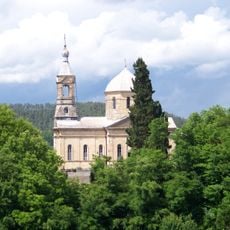
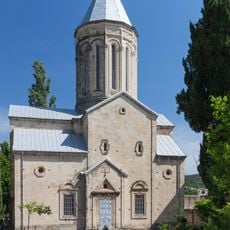
Sataphlia State Reserve, Protected area in Tsqaltubo, Georgia
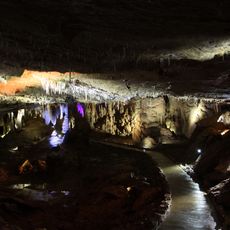
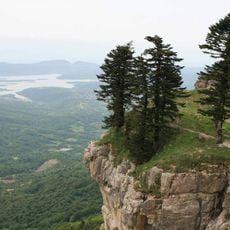
Sataphlia State Reserve covers 350 hectares on the slopes of the extinct volcano Mount Sataplia, 10 km from Kutaisi. Its main karst cave, discovered in 1925, runs about 900 m and holds stalactites and stalagmites. Around 98% of the reserve is Colchian forest of beech, chestnut, hornbeam, elm and box, with an undergrowth of impassable bramble and many lianas.
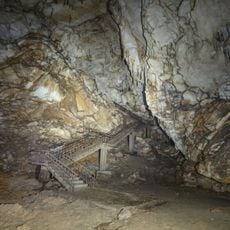
The Sataplia Natural Park was founded in 1935 by Petre Chabukiani to protect a newly discovered karst cave with stalactites and stalagmites, along with its Colchian forest. It was expanded to its present borders in 1957. In 2010 and 2011 a visitor centre, museum, dinosaur-model park and glass observation deck were added, and the main cave was equipped with lighting and a secure footpath.
The name Sataplia comes from the Georgian word for honey, tapli: bees once nested in small holes and caves here, and local people collected the honey. The reserve also holds a biospeleological museum and, since 2010–2011, a small park with dinosaur models near the visitor center.
A visitor center in nearby Banoja village offers guided tours in several languages. The best time to visit is during warmer months when paths are dry and easy to walk on.
The visitor center houses a biospeleological museum displaying specimens from the caves, including rare insects and animals that live only in underground environments. This collection helps visitors understand how life adapts to complete darkness in cave systems.
The community of curious travelers
AroundUs brings together thousands of curated places, local tips, and hidden gems, enriched daily by 93,606 contributors worldwide.