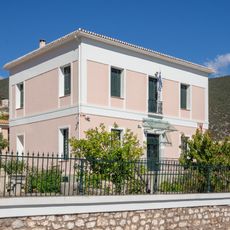
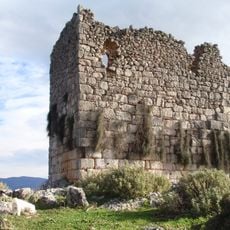
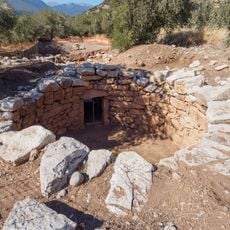
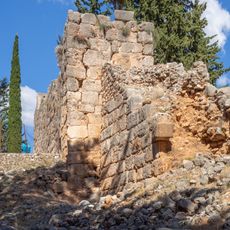
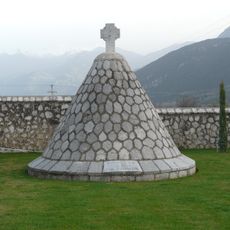
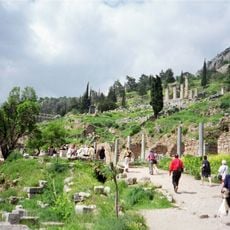
Lilaea, Archaeological site in Phocis, Greece
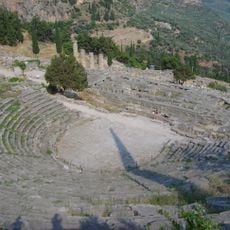
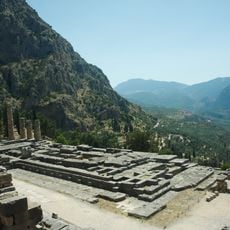
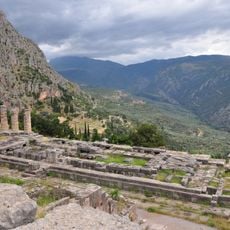
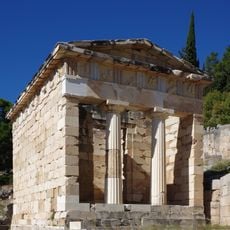
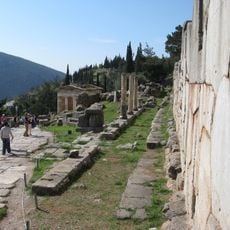
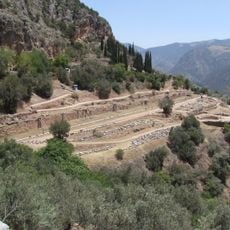
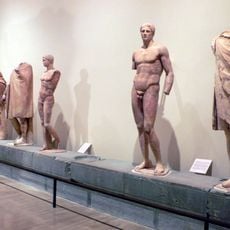
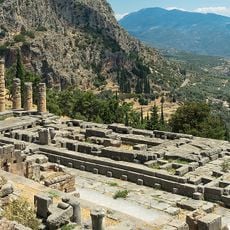
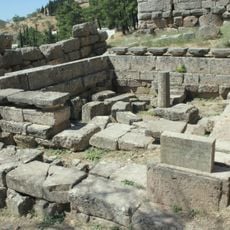
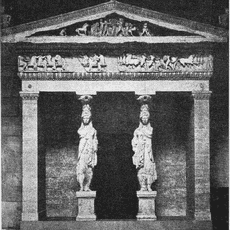
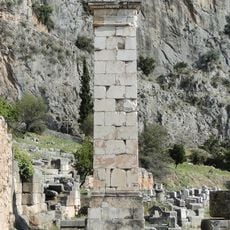
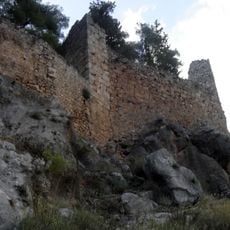
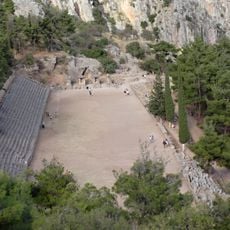
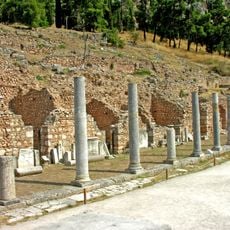
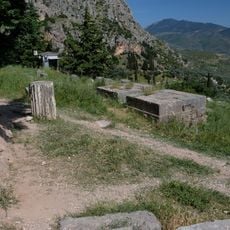
Lilaea is an ancient settlement in Phocis on the northern slopes of Mount Parnassus with remains of walls, gates, and buildings near the springs of Agia Eleoussa. The site includes a theater, agora, baths, and temples decorated with marble sculptures created by Athenian craftsmen.
The settlement appears in Homer's Iliad as one of nine Phocian towns that sent warriors to the Trojan War and took its name from Lilaea, daughter of the river god Cephissus. It remained an important regional center throughout classical antiquity.
People here honored Artemis and the river Cephissus at shrines, making offerings to the water during special ceremonies that connected them to the landscape. These spiritual connections shaped how the community understood their place in nature.
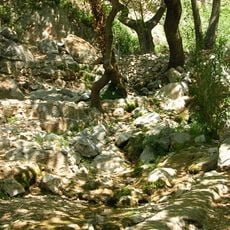
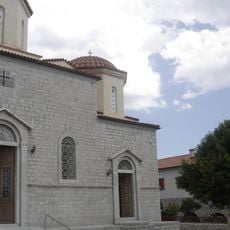
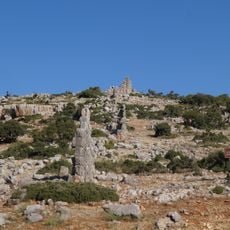
Access to the site is through the modern village of Lilaia, where visitors can examine fortification structures on the hill called Pyrgos or Palaeokastro. The open landscape allows visitors to explore the ruins at their own pace, though sturdy footwear is advisable due to uneven terrain.
Beyond its religious role, this settlement functioned as an administrative center with a sophisticated water management system that channeled natural springs into the community. This combination of spiritual and practical infrastructure was uncommon for settlements of this size.
The community of curious travelers
AroundUs brings together thousands of curated places, local tips, and hidden gems, enriched daily by 92,677 contributors worldwide.