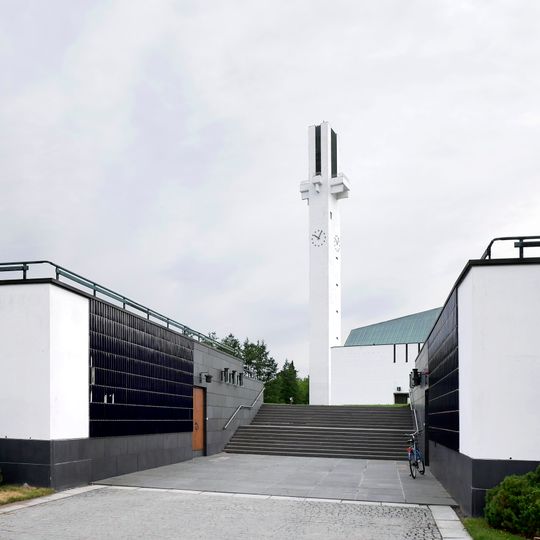
Seinäjoki, Administrative center in Southern Ostrobothnia, Finland
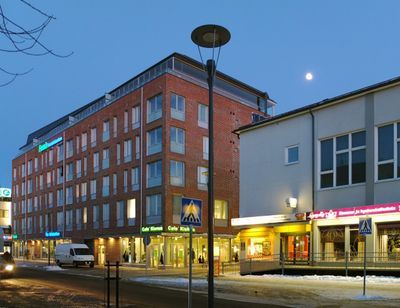
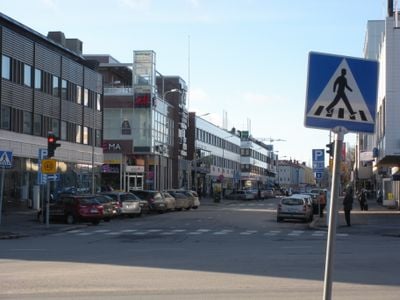
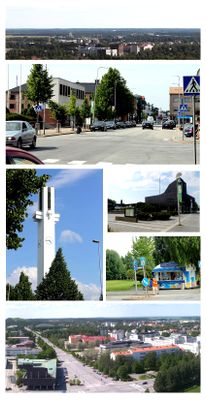
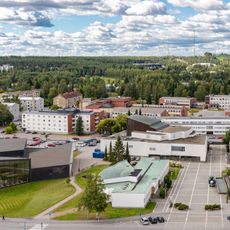
Seinäjoki is an administrative and economic center in the South Ostrobothnia region, home to around 64,000 residents. The layout combines modern commercial districts with residential areas that spread along wide streets and well-kept parks.
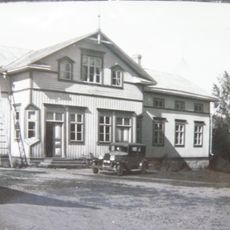
The settlement gained town status in 1868 and grew rapidly after the railway line between Seinäjoki and Vaasa opened in 1883. Post-war reconstruction led to the redesign of the center by architects such as Alvar Aalto.
The Finnish name refers to a ford that once guided travelers across the river, a crossing still visible in the layout of the town. Locals gather in the central squares for markets and meetings, where the sense of community remains strong.
Visitors can reach the town easily by train, as the station sits directly in the center and connects with most major Finnish cities. The compact downtown is easy to explore on foot, while bikes can be rented for longer routes to the outskirts.
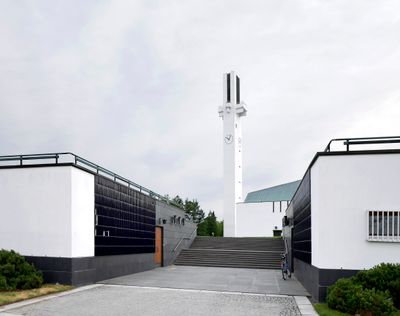
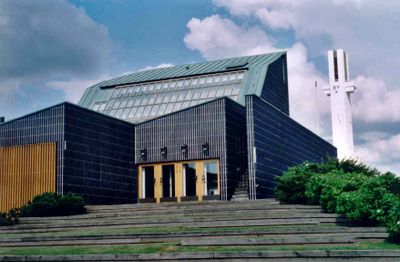
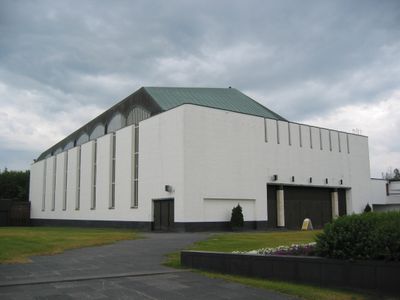
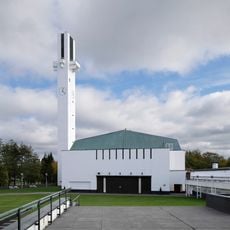
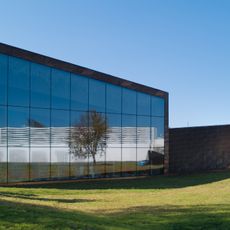
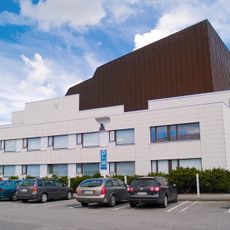
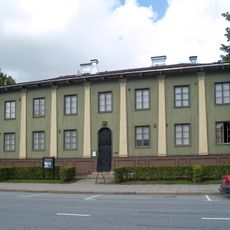
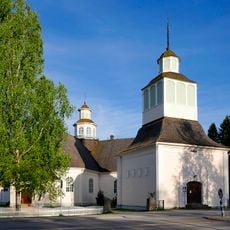
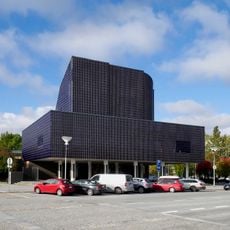
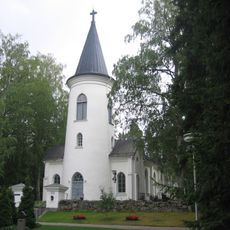
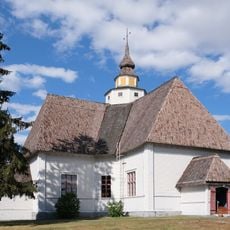
The town hall and library together form an architectural ensemble that reflects Aalto's vision of public spaces and dates from the 1960s. The white church spire rises over the flat landscape and has served travelers as a landmark for decades.
The community of curious travelers
AroundUs brings together thousands of curated places, local tips, and hidden gems, enriched daily by 91,284 contributors worldwide.