Susedgrad, Medieval castle ruin in Podsused, Croatia
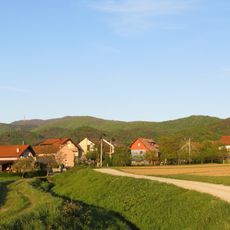
Susedgrad is a stone castle ruin perched on a hill near Podsused at about 195 meters elevation. From the site, you can see across the Sava River and toward the Samobor Mountains, with visible wall sections and traces of an ancient moat still apparent.
Susedgrad is first documented in 1316, when King Charles I of Hungary listed it as royal property; written sources from 1287 and 1299 suggest it was built in the second half of the 13th century under the Cistercian order. In 1345 King Louis the Great granted it to Nikola III Toth, whose descendants and heirs held it until the Henning family died out in 1502. A legal dispute split the estate, and Ferenc Tahy bought a majority share, leading to the 1565 Battle of Susedgrad and the 1573 peasant revolt. After a fire in the early 17th century it was abandoned.
The name Podsused, "below Sused", comes from the castle, and in the late 20th century Susedgrad was also the name of a Zagreb municipality, dissolved in the 1999 reform and split into Podsused-Vrapče and Stenjevec. The castle is tied to Ferenc Tahy, whose treatment of peasants helped spark the 1573 Croatian-Slovene Peasant Revolt.
The site is accessible on foot from public transportation, with a marked trail that leads you to the ruins. The paths can get muddy, especially after rain, so wear sturdy shoes and allow time for the uphill walk.
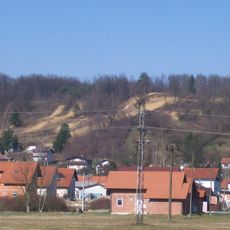
The 9th-century warrior's grave found here held an iron sword with cast bronze fittings that attached it to a belt. The hill was settled long before the fortress, and the nearby quarries are thought to have supplied stone since antiquity.
The community of curious travelers
AroundUs brings together thousands of curated places, local tips, and hidden gems, enriched daily by 94,020 contributors worldwide.