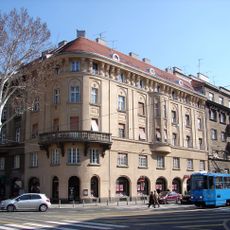
Museum of Serbs of Croatia, Cultural institution and museum in Zagreb, Croatia.
The Museum of Serbs of Croatia preserves collections of objects, photographs, and documents that document Serbian communities in Croatian territories. The holdings span different historical periods and show migrations, settlements, and social developments of this population group.
The museum was established in 1946 on the initiative of the Main Board of Serbs in Croatia and Prosvjeta, using artifacts that Croatian museum professionals had rescued during World War II from Serbian Orthodox churches and monasteries in the Independent State of Croatia and stored in the Museum of Arts and Crafts. In early 1948 it became part of the Museum of Croatian History, and from 1963 it was annexed as a division, which was dissolved a few years later.
The collection shows how Serbian communities in Croatia lived and expressed themselves through crafts and art. These objects reveal the everyday practices and creative skills of the Serbian population across different periods.
The original museum building closed in 1963, but parts of the collection remain accessible through the Metropolitanate Museum of Zagreb and Ljubljana and the Prosvjeta organization. Visitors should contact these institutions to explore what has been preserved.
The five halls of the museum followed a chronological order, from Serbian settlement in Croatia to the Great Migration of 1690, then 18th-century crafts, church, army and people, the citizenry and Enlightenment around 1800, and finally paintings by Serbian painters from Croatia. The division was dissolved a few years after 1963.
The community of curious travelers
AroundUs brings together thousands of curated places, local tips, and hidden gems, enriched daily by 92,666 contributors worldwide.