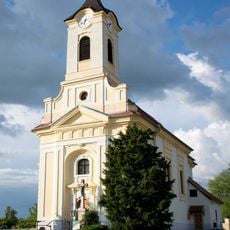
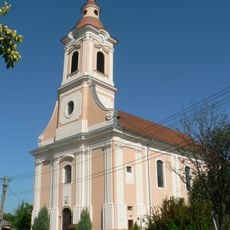
Gerecse Mountains, Mountain range in Komárom-Esztergom County, Hungary.
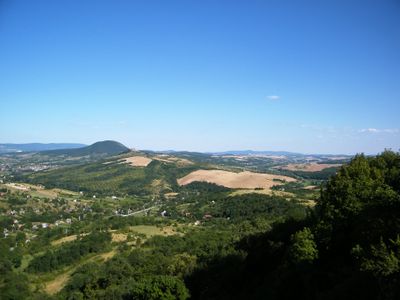
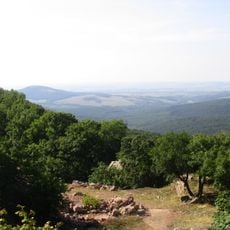
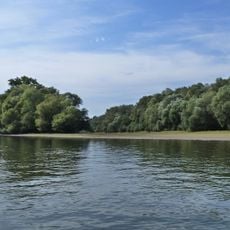
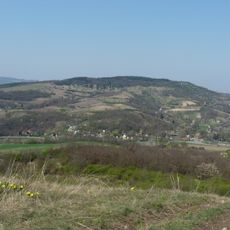
The Gerecse is a range of block mountains in the Transdanubian Mountains, covering 850 km² between Tatabánya and the Danube. Its highest summit, Nagy-Gerecse, reaches 634 m and carries a transmitter tower built in 1969–1971. The rock is mostly Dachstein limestone with some Upper Triassic dolomite, and 353 caves were recorded here in a 1994 survey.
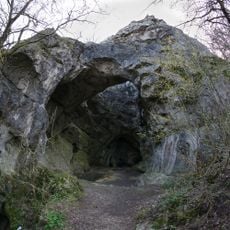
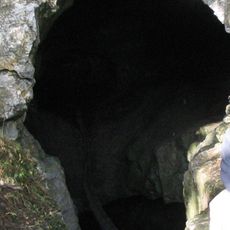
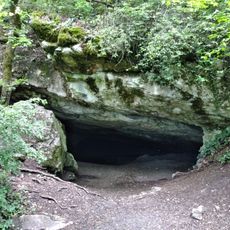
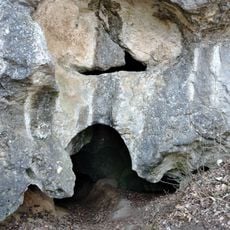
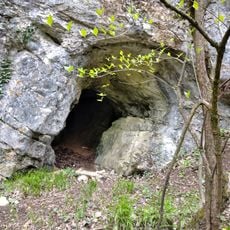
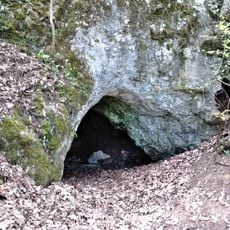
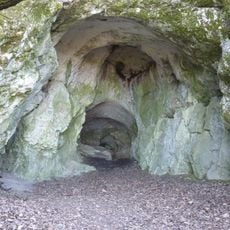
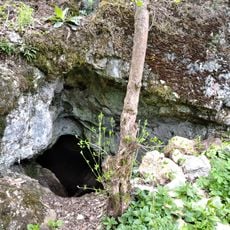
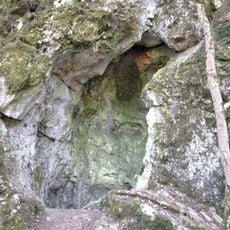
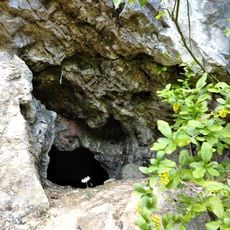
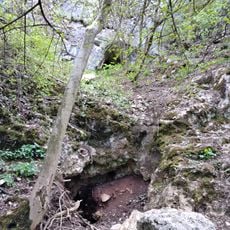
The Gerecse is built mainly of Dachstein limestone with some Upper Triassic dolomite, and its sedimentary layers of limestone, sandstone, clay and marl were mined: the Eocene and Oligocene beds yielded coal, and the marl supplied cement. The red Jurassic limestone quarried near Tardos is known as Tardos red marble. The range's 353 known caves, recorded in a 1994 survey, include the Pisznice-barlang, its largest.
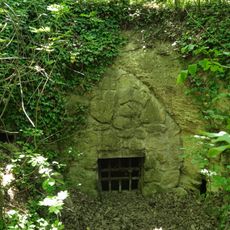
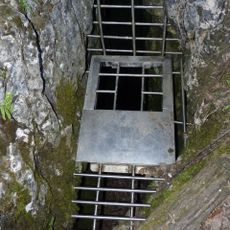
The range's German names include Geißgebirge and Geretsch; Hungarians often write Gerecse-hegység, which is considered incorrect. Reddish limestone quarried at Berzsek-hegy near Tardos is commonly called Tardos red marble and was used for cement production. Six caves are strictly protected: Jankovich-barlang, Keselő-hegyi-barlang, Lengyel-barlang, Öreg-kői 1. sz. zsomboly, Pisznice-barlang and Szelim-lyuk.
The area features marked hiking trails for walkers and nature observers with varying difficulty levels and viewpoints. Average temperatures above 350 meters elevation are around 9.5 degrees Celsius, which helps when planning your visit.
The range consists mainly of limestone formations that create a landscape covered by forest at about 70 percent. Oak, hornbeam, and beech trees dominate this forest cover and shape the area's character significantly.
The community of curious travelers
AroundUs brings together thousands of curated places, local tips, and hidden gems, enriched daily by 92,947 contributors worldwide.