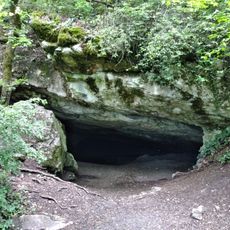
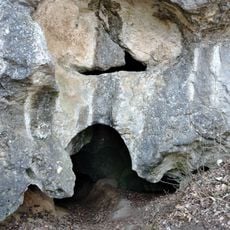
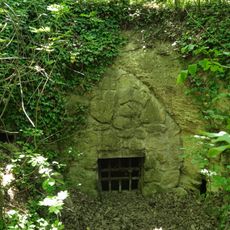
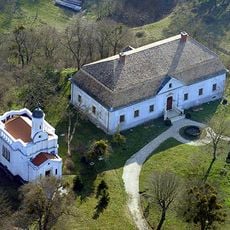
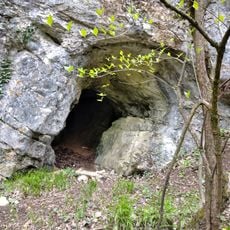
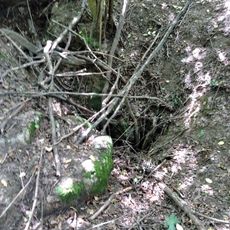
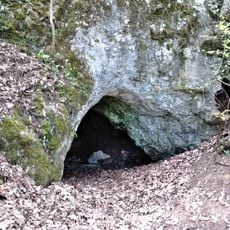
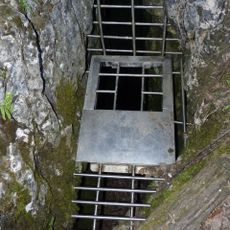
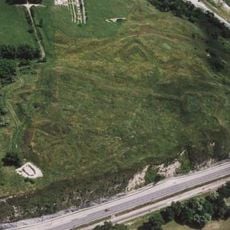
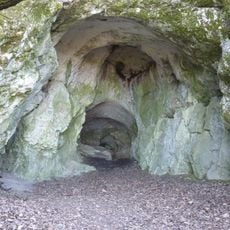
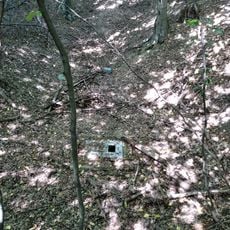
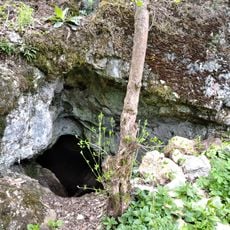
Pisznice Cave, Protected limestone cave in Lábatlan, Hungary
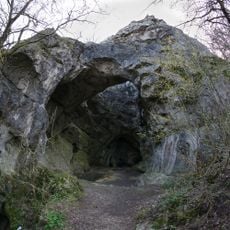
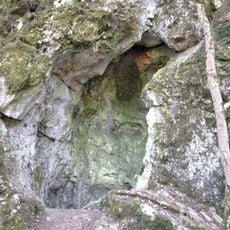
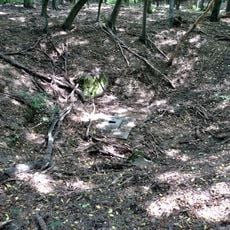
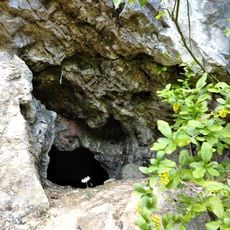
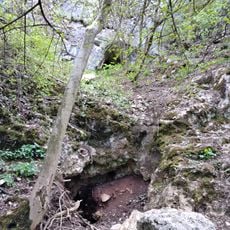
Pisznice Cave is a limestone cave system in the Gerecse region that stretches roughly 560 meters horizontally through the rock. The interior features spacious passages in the upper sections and increasingly narrow tunnels below, connected by small channels that wind through the formation.
Elek Fényes published the first printed description in 1848. In 1922 and 1924 Ottokár Kadić and Gyula Vigh surveyed the cave, measured it and made parts passable. The 1926 Esztergom yearbook reported their work, and a 1926 article in Barlangvilág named the cave Pisznice-barlang. Guano was extracted from the cave, and in the 1950s several thousand bats were counted there.
The name Pisznice comes from the Slavic Pisnice or Pěsnica, related to the Czech Písnice and Slovene Pesnica. The cave has also been recorded as Bőregér-lyuk, Nagy-pisznicei-barlang and Priesnitz-barlang. Its passages are a year-round winter roost and occasional summer roost for many bat species, including rare and strictly protected ones.
A visit requires a permit from the Duna-Ipoly National Park Directorate and is not possible from October through April. This restriction protects the cave during winter months when bats use the space for hibernation.
The cave walls display four distinct geological layers from different time periods, and within them lie remains of prehistoric animals. This natural archive helps scientists understand which creatures lived in the region and what the climate was like in ancient times.
The community of curious travelers
AroundUs brings together thousands of curated places, local tips, and hidden gems, enriched daily by 94,363 contributors worldwide.