Barátlakások, Medieval cave dwellings in Tihany, Hungary
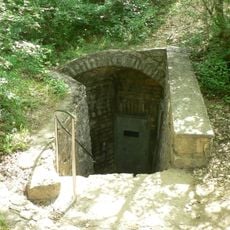
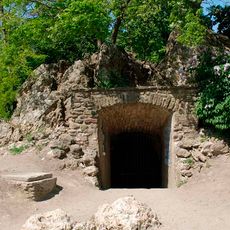
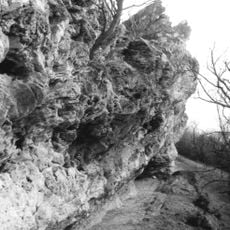
Barátlakások are man-made caves carved into basalt tuff on Óvár hill in Tihany. Three chambers feature carefully worked inner walls and areas that were used for the religious life of the inhabitants.
From the 12th century, Greek Orthodox hermits dug caves into the eastern slope of Óvár hill, following the pattern of a laura: a chapel, a refectory and cells, with altars oriented east. The unusual number of altars and the old name Oroszkő (Russian stone) suggest the hermits were Russian Basilians. A rockfall in 1952 destroyed many caves; three survive and were stabilised in 1994.
The name Barátlakások means "monk dwellings"; the nearby spring was once called Orosz kút (Russian well), which suggests the hermits were Russian Basilians. The cells were cut facing east, following the model of a laura, and the unusually high number of altars points to their religious use. Today the caves are a protected monument.
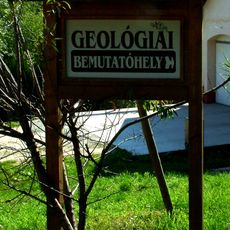
Access is available through two marked hiking trails from the northern shore or from Árpád Street. The routes require different levels of effort and time, with one path being steeper than the other.
The name of the nearby spring, Orosz kút ("Russian well"), and Tihany's old name Oroszkő ("Russian stone") suggest the hermits were Russian Basilian monks, as does the eastward orientation of the altars. A rockfall in 1952 destroyed many of the cavities; only three survive, stabilized in 1994.
The community of curious travelers
AroundUs brings together thousands of curated places, local tips, and hidden gems, enriched daily by 93,678 contributors worldwide.