Danube Bend, Natural river curve in northern Hungary
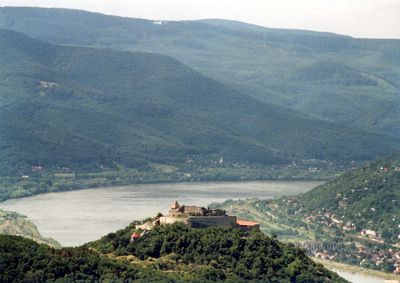
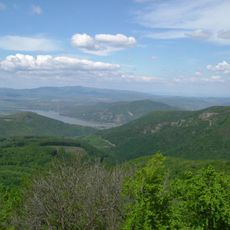
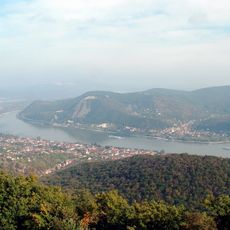
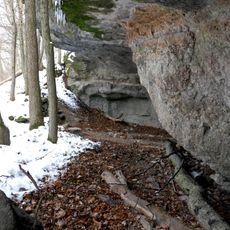
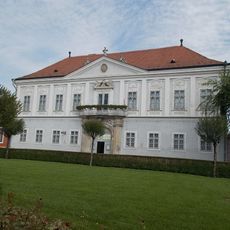
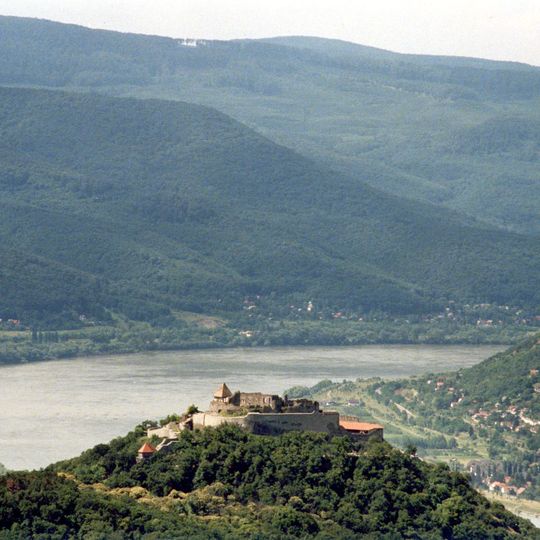
The Danube Bend is a sharp U-shaped curve in northern Hungary where the river winds through steep riverbanks and forested slopes. The region includes several towns like Esztergom, Visegrad, and Szentendre, each positioned along different sections of this geological formation.
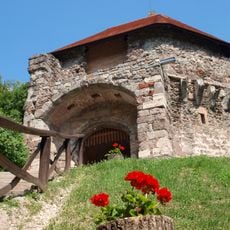
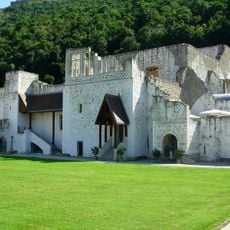
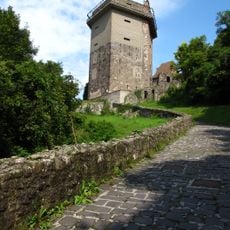
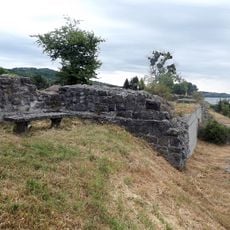
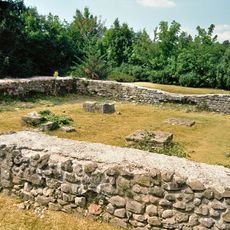
The location's strategic importance led medieval Hungarian rulers to construct fortresses along the bend, with Visegrad Castle becoming a royal seat in the 13th century. These fortifications controlled river traffic and served as defense points during times of conflict with neighboring powers.
The area draws artists and craftspeople who have settled in towns like Szentendre, where studios and galleries line the streets today. The local communities celebrate their connection to the river through folk traditions and seasonal celebrations that mark the rhythm of life here.
The area is accessible from Budapest by local buses and trains that connect to the various riverside towns throughout the region. The best time to visit is from spring through early autumn, when weather conditions are mild and river transportation options are most frequent.
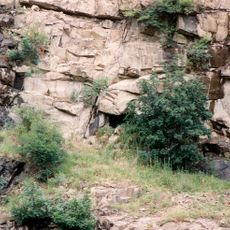
The river's path follows the edge of an ancient volcanic caldera from 15 million years ago, a geological detail that shaped the steep banks visitors see today. This underground structure is a reminder of dramatic earth movements that occurred long before the fortresses were built.
The community of curious travelers
AroundUs brings together thousands of curated places, local tips, and hidden gems, enriched daily by 60,000 contributors worldwide.