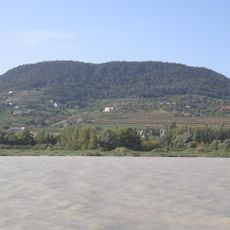
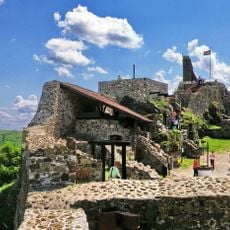
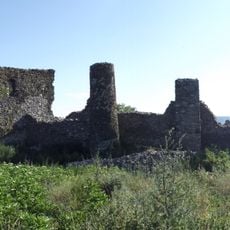
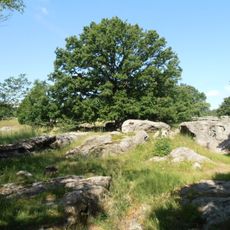
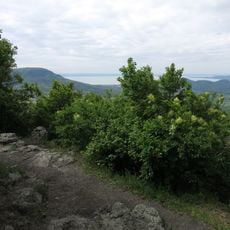
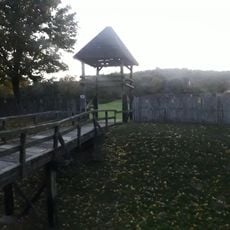
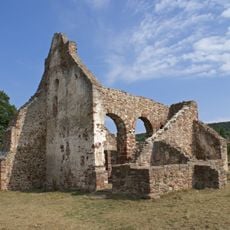
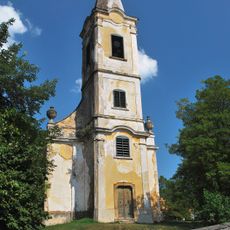
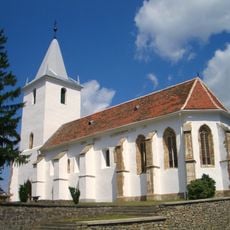
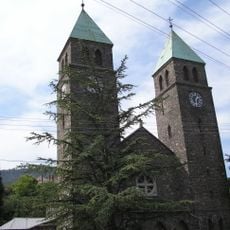
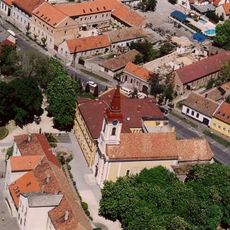
Szent György-hill, Volcanic mountain in Balaton Uplands National Park, Hungary.
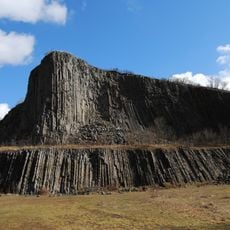
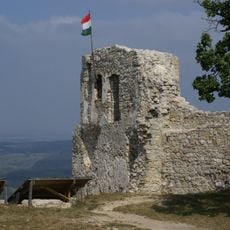
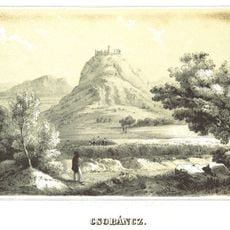
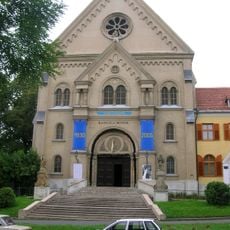
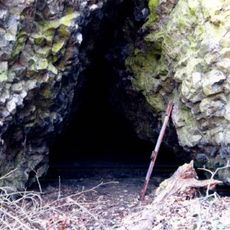
Szent György-hegy is a 415-metre basalt-capped witness hill above Tapolca, a small stratovolcano of Neogene Pannonian volcanism. Its summit lava flows, 70 to 80 metres thick, cooled into polygonal columns; the finest, known as basalt organs, stand on the north side where the wind accentuated their separation. A blue-marked loop trail starts at the Lengyel-kápolna chapel on the south slope.
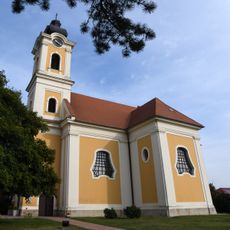
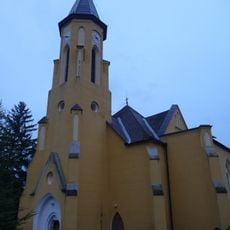
The mountain is named after a Saint George chapel that once stood at its foot; local legends also link the hill to the story of Saint George and the dragon. Its basalt and basalt tuff layers were deposited by volcanic eruptions 3–4 million years ago, and later erosion of the surrounding Pannonian sediment left the basalt-capped hill standing 200–300 metres above the plain as a witness mountain.
The slopes belong to the Badacsony wine district of the Balaton wine region. A loess layer at the foot of the hill, mixed with debris from the crumbling basalt rim, forms soil suited to grape growing, and the hill's sub-Mediterranean microclimate and many sunny hours favour it. The chapel at the foot of the hill, now gone, gave the mountain its name.
Multiple walking paths go up to the summit with clear markers that help you find your way, and rest spots are placed along the route. Taking time to pause and look around makes the experience more enjoyable as you move through the landscape.
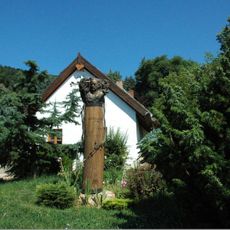
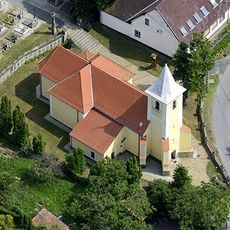
The chapel at the foot of the hill is the Lengyel-kápolna on the southern slope, not a Polish chapel on the summit. The blue-marked circular trail starts there, and the summit has picnic benches and an orientation board showing Lake Balaton, Tapolca and the Badacsony.
The community of curious travelers
AroundUs brings together thousands of curated places, local tips, and hidden gems, enriched daily by 92,782 contributors worldwide.