Sólyom-kút Rock Shelter, rock shelter in Miskolc, Hungary
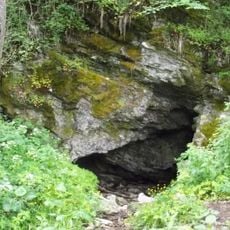
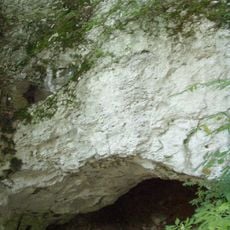
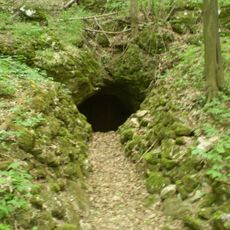
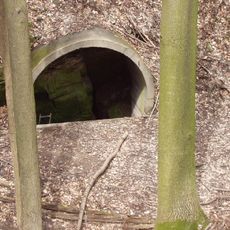
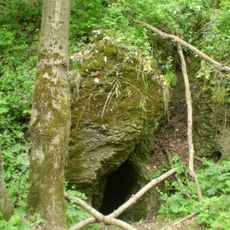
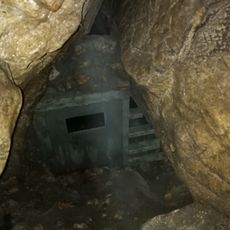
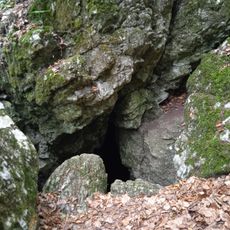
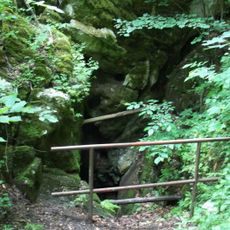
Sólyom-kút Rock Shelter opens on the edge of the Sólyom-kő peak above the Garadna Valley, on the Kis-fennsík plateau of the Bükk Mountains. Its main entrance is 7 m wide and 4 m high, cut into Triassic limestone. From the entrance hall a sinkhole-like passage and a collapsed ceiling opening lead to the surface, giving the cave three openings in all.
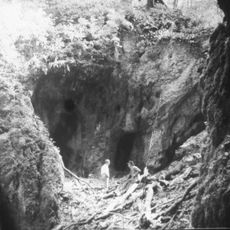
Ottokár Kadić excavated here in 1942, clearing the western half of the fill down to bedrock, and returned in 1943 to the untouched northern part. He found cave bear bones, two Mousterian stone tools (a hand point and a blade scraper, now lost), and Neolithic pottery of the Bükk culture, kept in the Herman Ottó Museum. Saád Andor and Nemeskéri János dug here in 1947.
Local tradition holds that the cave served as a hideout of the outlaw Vidróczki Márton, and one of its alternative names, Vidróczki-barlang, preserves his memory. Old accounts say his name was once spelled out in shiny nails on the cave roof. A fire pit was made in front of the main entrance.
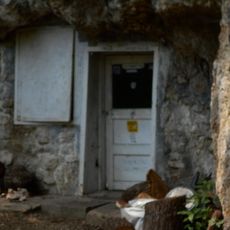
The cave is freely accessible without special equipment. Its main entrance, seven metres wide and four metres high, opens below the Sólyom-kő peak on the edge above the Garadna Valley, near the Sólyom-kút spring. Benches and a fire pit stand in front of the entrance.
Two of the four Mousterian stone tools found here were made from a grey-brown, white-speckled silicified volcanic rock that occurs only near Święciechów in Poland's Holy Cross Mountains. The other two tools, a hand point and a side scraper, are not recorded in any inventory and their whereabouts are unknown.
The community of curious travelers
AroundUs brings together thousands of curated places, local tips, and hidden gems, enriched daily by 94,405 contributors worldwide.