Bethsaida, Archaeological site in Galilee, Israel
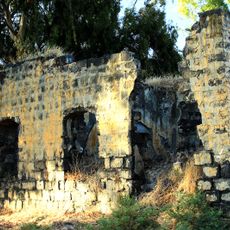
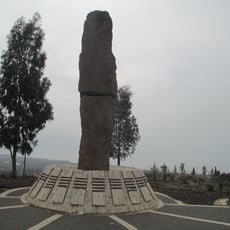
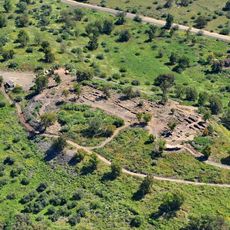
Bethsaida is an archaeological site of an ancient city in Galilee, northeastern Israel. The ruins include a field of dark, rough-hewn basalt stones, some piled into low broken walls, and a tall narrow stone stele with a rounded top carved with a crescent, a horned animal head, and a human figure with raised arms.
Bethsaida was a fishing village on the northern shore of the Sea of Galilee, home to the apostles Peter, Andrew and Philip. Around 30/31 CE, Herod Philip raised it to the rank of a polis and renamed it Julias in honour of Livia, also called Julia Augusta, the wife of Emperor Augustus. The site is identified with el-Araj, where a Roman bathhouse and a Byzantine church have been excavated.
The name comes from Hebrew and means house of the catch or house of the fishermen, reflecting the ancient ties to fishing. Visitors today can walk among foundations of dwellings and workshops where fishermen and craftsmen worked two thousand years ago.
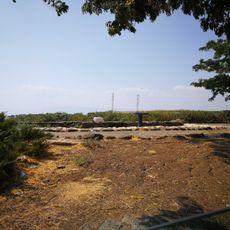
The site sits on a hillside and requires some walking over uneven ground with stones and dirt paths. Morning or late afternoon visits are more comfortable since there is little shade on hot days.
The 2022 mosaic at el-Araj bears a Greek inscription calling Saint Peter "chief and commander of the heavenly apostles" and names a donor, "Constantine, a servant of Christ". Found in a Byzantine church, it is one reason excavators led by Mordechai Aviam and R. Steven Notley favour el-Araj over et-Tell for Bethsaida.
The community of curious travelers
AroundUs brings together thousands of curated places, local tips, and hidden gems, enriched daily by 92,763 contributors worldwide.