Capernaum, Archaeological site near Sea of Galilee, Israel
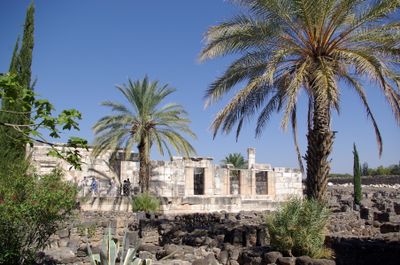
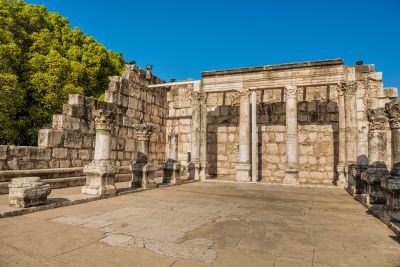
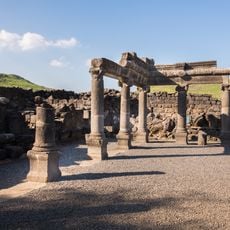
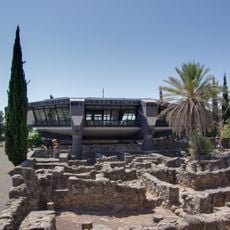
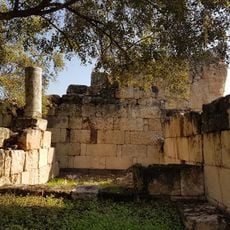
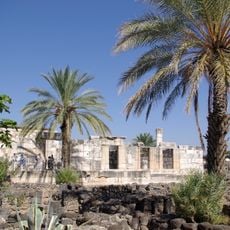
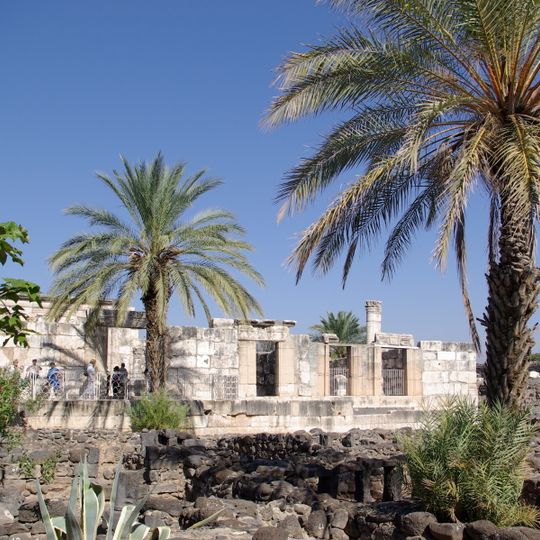
Capernaum is an archaeological site on the northern shore of the Sea of Galilee in Israel, revealing an ancient settlement with a synagogue and residential structures. The remains spread across an open area along the waterfront, with some sections protected by modern shelters and visitors walking through the ruins on raised platforms.
The settlement began in the 2nd century BC during Hasmonean rule and grew into a fishing village by the lake. Residents left the site by the 11th century at the latest, well before crusaders reached the region.
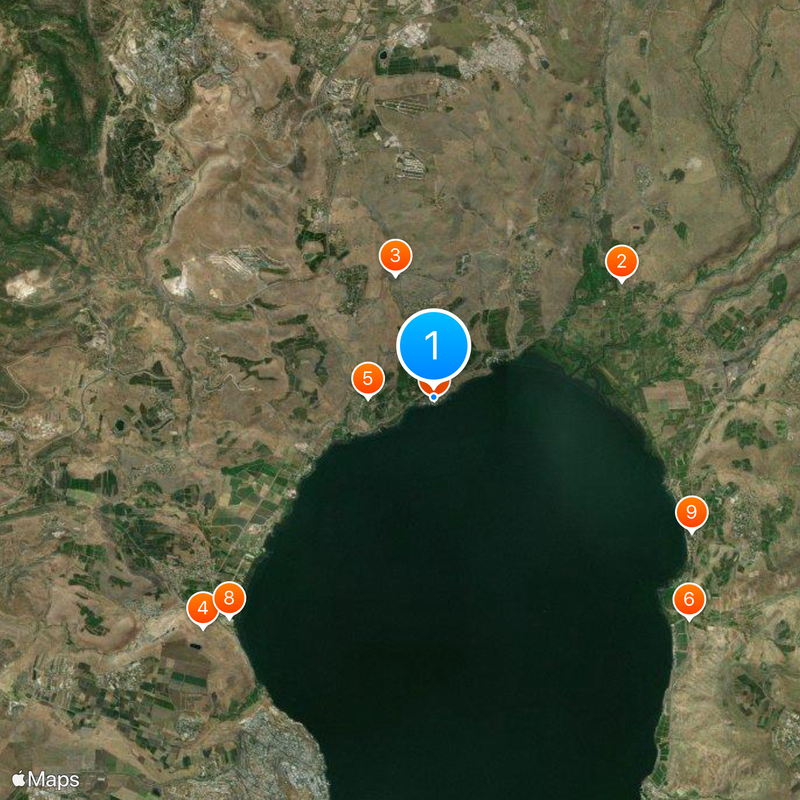
The name comes from the Hebrew Kfar Nahum, meaning village of Nahum, and the settlement sits directly on the waterfront facing the bay. Fishermen once steered their boats through the small harbor, which remains visible in outline today and shows the close link between the settlement and the lake.
The walkways allow a complete circuit through the site without stepping on original surfaces. A visit typically takes between one and two hours, depending on how long you pause at individual structures.
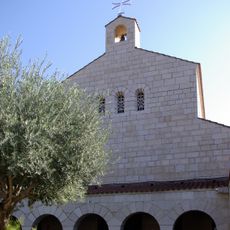
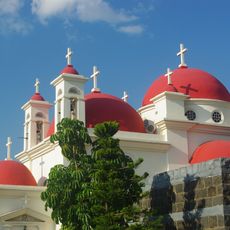
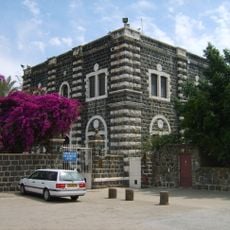
An excavated house was later converted into a church and contains wall inscriptions in several languages from the early centuries. Archaeologists connect this building to Peter according to tradition, with the graffiti showing religious messages and names.
The community of curious travelers
AroundUs brings together thousands of curated places, local tips, and hidden gems, enriched daily by 60,000 contributors worldwide.